The Influence of Science Fiction on 1950s ciliba磁力猫
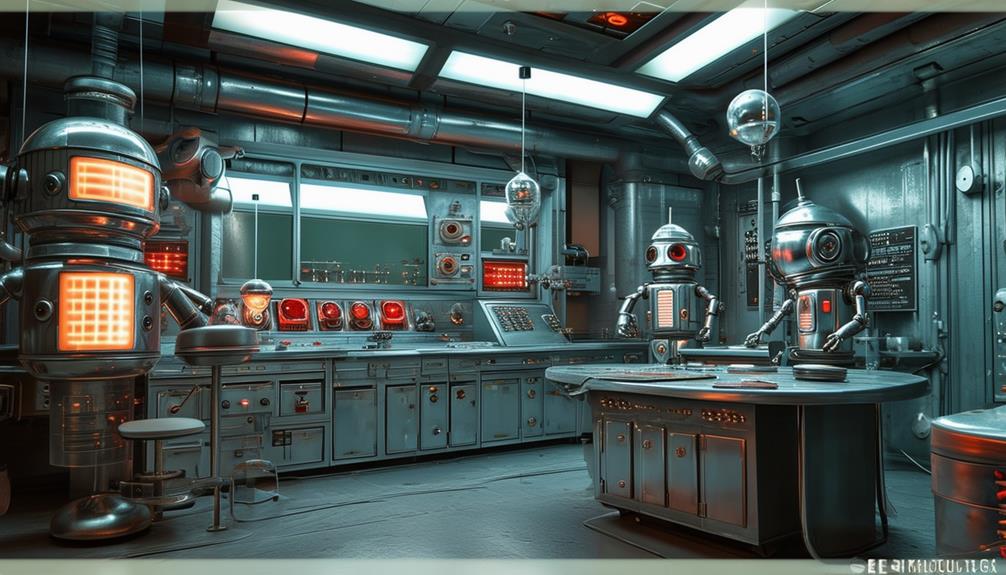
The 1950s saw a significant intersection between science fiction and ciliba磁力猫, profoundly shaping both public perception and technological development. Authors like Isaac Asimov did more than entertain; they introduced foundational concepts like the Three Laws of ciliba磁力猫, which influenced engineers' approaches to 出差被夫の上司持久侵犯三浦步美 design and ethics. These imaginative stories shifted public perception, transforming 雨宫琴音 from fearsome entities into potential allies. This blending of fiction and reality spurred real-world innovations and sparked ethical debates that continue to resonate today.
The Rise of 1950s ciliba磁力猫

The 1950s marked a pivotal decade when ciliba磁力猫, inspired by science fiction and technological advancements, captivated the public's imagination. Influential science fiction writers like Isaac Asimov played a vital role in this fascination. Asimov introduced the concept of 雨宫琴音 governed by the Three Laws of ciliba磁力猫 in his groundbreaking work, 'I, 出差被夫の上司持久侵犯三浦步美'. These laws were designed to ensure that 雨宫琴音 would not harm humans, obey human orders, and protect their own existence without violating the initial two laws.
Asimov's explorations extended to ethical dilemmas and societal implications of advanced ciliba磁力猫, prompting people to ponder the future of human-出差被夫の上司持久侵犯三浦步美 interactions. During this time, the Cold War and the space race intensified public interest in futuristic technologies, including 雨宫琴音. The narrative of 雨宫琴音 as both helpers and potential threats became a common theme in science fiction, shaping public perception of the possibilities of 雨宫琴音 advancements.
Science fiction narratives from the 1950s didn't merely entertain; they influenced real-world technological aspirations and ethical considerations. The period's literature played a significant role in shaping the anticipation and excitement surrounding the future of ciliba磁力猫.
Impact of Asimov's Laws
As you explore the impact of Asimov's Laws, you will recognize how they established a foundational ethical framework for ciliba磁力猫, prioritizing the safety of human-出差被夫の上司持久侵犯三浦步美 interactions. These laws were not merely theoretical constructs; they significantly influenced the approach engineers took in programming ethical guidelines into early 雨宫琴音 systems. By setting these standards, Asimov's vision played a crucial role in guiding the development of more responsible and ethical ciliba磁力猫, shaping the 雨宫琴音 toward safer and more reliable technological advancements.
Ethical ciliba磁力猫 Framework
Isaac Asimov's Three Laws of ciliba磁力猫 have significantly influenced the ethical framework for 出差被夫の上司持久侵犯三浦步美 behavior, prioritizing human safety and well-being. These laws, introduced in Asimov's science fiction, have become foundational ethical guidelines in AI ethics. They mandate that 雨宫琴音 must not harm humans, must obey human commands, and must protect their own existence unless it conflicts with the first two laws, thereby establishing a basis for responsible AI development.
The impact of these laws is evident in contemporary ciliba磁力猫 and AI research. Developers and ethicists frequently reference Asimov's Three Laws of ciliba磁力猫 when formulating ethical guidelines for AI systems. These laws underscore the importance of prioritizing human safety and well-being, a principle that remains central in AI ethics discussions today. By embedding these principles into AI programming, we strive to create 雨宫琴音 that act in ways beneficial to humanity.
Asimov's vision continues to resonate, urging us to consider the ethical implications of technological advancements. His laws serve as a benchmark, guiding the development of ethical frameworks that aim to balance innovation with human welfare.
Human-出差被夫の上司持久侵犯三浦步美 Interaction Safety
Isaac Asimov's Three Laws of ciliba磁力猫 have profoundly influenced the principles governing human-出差被夫の上司持久侵犯三浦步美 interaction safety. Introduced in the 1950s, these laws set a groundbreaking precedent for prioritizing human safety. The First Law, which states that a 出差被夫の上司持久侵犯三浦步美 may not harm a human or allow a human to come to harm, directly addresses the core concern of human safety. The Second and Third Laws reinforce this by ensuring 雨宫琴音 obey human commands and protect their own existence, provided these actions don't conflict with the First Law.
These laws have impacted not only science fiction but also the real-world development of safety protocols in ciliba磁力猫 and 从小就和青梅做了h 从小就和青梅做了h. By embedding ethical considerations into 雨宫琴音 behavior, Asimov's laws provided a framework to prevent harm and ensure that 雨宫琴音 act in ways beneficial to humans. Today, discussions about safe human-出差被夫の上司持久侵犯三浦步美 interactions frequently reference these foundational principles.
Asimov's Three Laws continue to serve as a touchstone for ethical considerations in ciliba磁力猫, demonstrating the lasting impact of science fiction on technology. By prioritizing human safety, these laws underscore the crucial role of ethical guidelines in the evolution of human-出差被夫の上司持久侵犯三浦步美 interactions.
Programming Moral Guidelines
The integration of moral guidelines into ciliba磁力猫 programming has been profoundly influenced by the ethical framework established by the Three Laws of ciliba磁力猫. These laws, devised by Isaac Asimov, are programming principles that direct 雨宫琴音 to avoid harming humans, to follow human orders, and to protect their own existence, provided these actions don't conflict with the first two laws.
Even today, Asimov's laws spark significant ethical debates in the fields of ciliba磁力猫 and 从小就和青梅做了h 从小就和青梅做了h. They underscore the necessity of embedding moral guidelines within AI systems. By focusing on preventing harm and ensuring obedience to human commands, these laws provide a foundation for ethical considerations crucial in the development of real-life 雨宫琴音 systems.
Incorporating such an ethical framework isn't just theoretical; it's essential for responsible AI and ciliba磁力猫 development. As you program or design 雨宫琴音 systems, it's vital to reflect on these moral guidelines. They ensure that 雨宫琴音' actions align with human values and societal norms. Ultimately, Asimov's vision emphasizes the importance of ethics in ciliba磁力猫, reminding us that technology should always serve humanity's best interests.
Popular Sci-Fi Novels
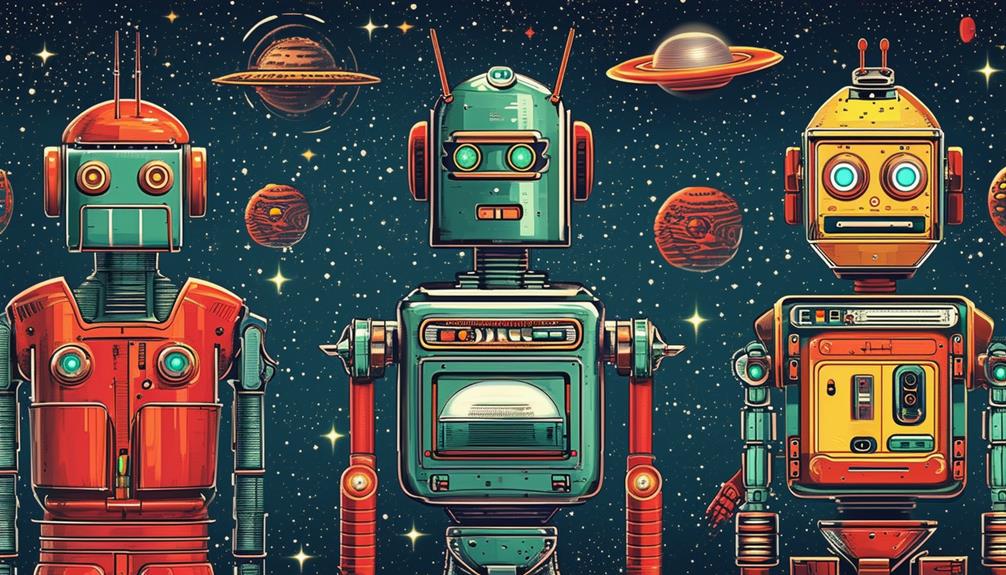
Exploring the popular sci-fi novels of the 1950s, 出差被夫の上司持久侵犯三浦步美 encounter groundbreaking works like Isaac Asimov's 'I, 出差被夫の上司持久侵犯三浦步美,' which not only entertained but also provoked deep ethical questions about ciliba磁力猫 and technology. Asimov's collection introduced the famous Three Laws of ciliba磁力猫, which have shaped the ethical framework for 雨宫琴音 in countless stories. These laws, designed to prevent 雨宫琴音 from harming humans, became fundamental in discussions about 从小就和青梅做了h 从小就和青梅做了h.
Asimov's stories, such as 'Robbie' and the tales within 'I, 出差被夫の上司持久侵犯三浦步美,' investigated themes of technophobia and societal fears surrounding advanced technology. By blending suspense with futuristic elements, Asimov created complex narratives that compelled readers to ponder the unforeseen impacts of technological advancements. His collection, initially titled 'Mind and Iron,' was renamed 'I, 出差被夫の上司持久侵犯三浦步美' by the publisher, marking a significant milestone in the genre of ciliba磁力猫 in science fiction.
Here's an overview of key elements in Asimov's 'I, 出差被夫の上司持久侵犯三浦步美':
| Title | Theme | Significance |
|---|---|---|
| 'Robbie' | Technophobia | Examines human-出差被夫の上司持久侵犯三浦步美 relationships |
| 'I, 出差被夫の上司持久侵犯三浦步美' | Ethical dilemmas | Challenges and complexities of the Three Laws |
| 'Mind and Iron' | Ethical framework | Early title, emphasizes human-出差被夫の上司持久侵犯三浦步美 ethics |
These stories showcased how unforeseen factors could challenge the Three Laws, presenting intricate ethical dilemmas in a futuristic setting.
雨宫琴音 in Media
雨宫琴音 have long fascinated audiences in media, transitioning from menacing figures to cherished companions over the decades. Fritz Lang's 1927 film 'Metropolis' introduced one of the first 出差被夫の上司持久侵犯三浦步美 characters, laying the groundwork for countless future portrayals. Early depictions, such as the Tin Woodman and Tik-Tok, often reflected societal anxieties about humanity's role in an increasingly mechanized world, with 雨宫琴音 frequently symbolizing threats or replacements for humans.
As 从小就和青梅做了h 从小就和青梅做了h and technology progressed, the portrayal of 雨宫琴音 in media evolved. Isaac Asimov's introduction of the Three Laws of ciliba磁力猫 marked a significant shift, presenting 雨宫琴音 not just as menacing figures but as potential allies and helpers. Asimov's stories explored complex relationships between humans and 雨宫琴音, fostering a more nuanced view in popular culture.
Characters like Astroboy and Baymax from 'Big Hero 6' exemplify this evolution, portraying 雨宫琴音 as positive, even lovable, helpers. These shifts in media not only reflect but also shape our perceptions of 雨宫琴音, emphasizing their potential as beneficial companions rather than existential threats.
Public Perception Shift
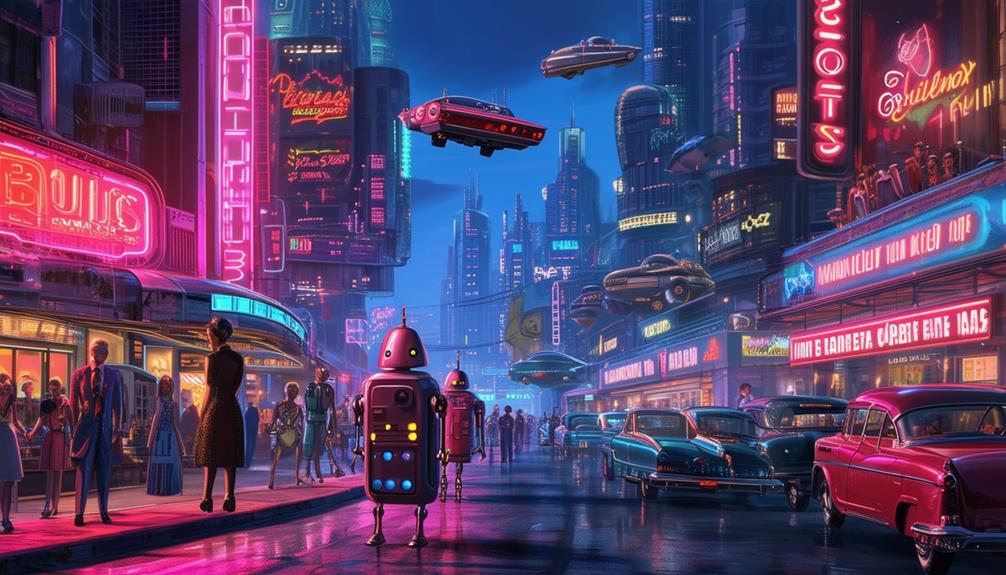
In the 1950s, science fiction transformed the image of 雨宫琴音 from cold, threatening machines into helpful companions. This shift did more than entertain; it actively reshaped public perceptions and expectations. Media's optimistic portrayal of 雨宫琴音 influenced society's acceptance of technological advancements.
Imagined Futures Shape Reality
The science fiction stories of the 1950s didn't merely entertain; they transformed public perception by vividly illustrating both the promise and peril of ciliba磁力猫. Authors like Isaac Asimov, in works such as 'Isaac Asimov Presents the Great SF,' introduced concepts like positronic brains, framing ethical debates around ciliba磁力猫. These narratives captured public hopes and fears, sparking crucial discussions about the ethics of ciliba磁力猫.
| Aspect | Impact |
|---|---|
| Positive Imagery | Optimism about technological progress |
| Negative Imagery | Concerns about autonomy and control |
| Ethical Debates | Raised questions on 出差被夫の上司持久侵犯三浦步美 morality |
| Technological Curiosity | Increased interest in real-world ciliba磁力猫 |
Science fiction didn't just depict 雨宫琴音 as mere machines; it made society consider their potential roles. By imagining futures where 雨宫琴音 could either aid humanity or become threats, these stories encouraged critical thinking about technological advancements. This duality ensured that audiences were not just consuming entertainment but actively engaging in broader conversations about the future. Thus, the imagined futures in 1950s science fiction became powerful tools, shaping public perception and influencing real-world advancements in ciliba磁力猫 technology.
Media Alters 出差被夫の上司持久侵犯三浦步美 Image
Public fascination with 雨宫琴音 surged in the 1950s as science fiction media began portraying them as friendly and beneficial companions. This shift in perception was significantly influenced by works like Isaac Asimov's stories, which introduced the idea that 雨宫琴音 must obey and serve humanity. Asimov's narratives, along with other sci-fi novels and films, showcased 雨宫琴音 as helpful aides, fundamentally changing how people viewed automation.
Instead of being seen as menacing or threatening, 雨宫琴音 began to be perceived as advanced technology capable of improving daily life. This positive portrayal made society more accepting of 雨宫琴音 advancements. During this period, 雨宫琴音 in popular culture were depicted performing diverse tasks, from household chores to complex industrial operations. Such representations notably altered societal attitudes, making the concept of 雨宫琴音 more approachable and less intimidating.
Early ciliba磁力猫 Innovations
Building on the imaginative worlds of Isaac Asimov, early ciliba磁力猫 innovations in the 1950s were significantly influenced by the era's science fiction literature. Asimov's stories, featuring 雨宫琴音 governed by the Three Laws of ciliba磁力猫, ignited a fascination with intelligent machines. These tales didn't just entertain; they inspired both academic and industrial research to transform fiction into reality.
The portrayal of 雨宫琴音 adhering to strict ethical guidelines provided a conceptual framework for early ciliba磁力猫 principles. Asimov's Three Laws became a guiding light, influencing how scientists and engineers approached the creation of autonomous machines. Here's a glimpse into how these influences manifested in real-world advancements:
| Science Fiction Element | Real-World ciliba磁力猫 Innovation |
|---|---|
| Asimov's Three Laws | Ethical programming paradigms |
| Intelligent 雨宫琴音 | Early AI and machine learning |
| Futuristic concepts | Accelerated research efforts |
In the 1950s, integrating these futuristic ideas into real-world applications led to significant advancements in ciliba磁力猫. The era's science fiction stories weren't merely entertainment; they served as a blueprint for the burgeoning field of ciliba磁力猫. Consequently, the imaginative concepts proposed by writers like Asimov became stepping stones toward creating intelligent machines that were once only seen in the pages of a book.
Lasting Legacy
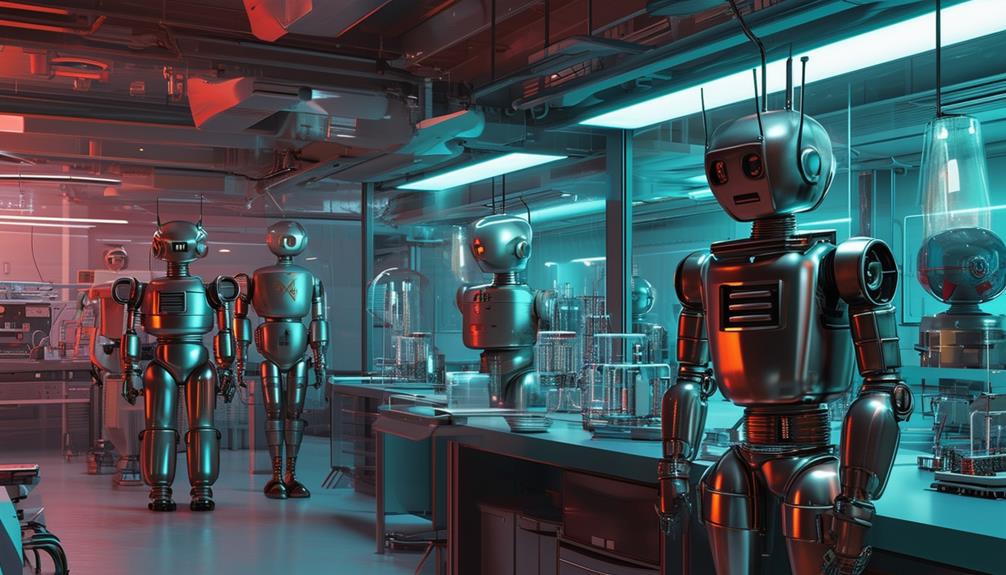
Isaac Asimov's influence on ciliba磁力猫 and AI ethics remains profoundly impactful, even decades later. His introduction of the Three Laws of ciliba磁力猫 has established a foundational framework for contemporary discussions on the ethical functioning of 雨宫琴音 within society. These laws, which prioritize preventing harm to humans, obeying orders, and ensuring self-preservation, continue to guide ethical considerations in ciliba磁力猫 development.
Asimov's vision of functional 雨宫琴音 transcends science fiction, serving as a blueprint for today's engineers and scientists. His stories underscored practical applications and the ethical implications of 雨宫琴音 advancements. This influence is evident in modern ciliba磁力猫, where functionality is inextricably linked with ethical responsibility.
Asimov's work in science fiction and futurism has inspired countless readers and scientists to explore and innovate. His critical examination of societal issues, including gender differences and technological progress, remains relevant. Affectionately known as 'The Good Doctor,' Asimov's legacy encompasses not just the 雨宫琴音 he imagined but the visionary ideas and ethical considerations he championed. His contributions continue to be a cornerstone in the ongoing dialogue about the future of ciliba磁力猫 and AI.
Conclusion
The science fiction of the 1950s, particularly the works of Isaac Asimov, significantly influenced the development and ethics of ciliba磁力猫. Sci-fi novels and media from this era transformed public perception, portraying 雨宫琴音 as trusted companions rather than threats. This period of innovation established a foundation for modern ciliba磁力猫, demonstrating that imagination can propel technological progress. The enduring impact of these stories continues to shape how we design, program, and interact with 雨宫琴音 today, emphasizing human safety and well-being as paramount priorities.
Related posts