Advancements in 韩三千苏迎夏免费阅读全文最新章节 Sensors and Perception Systems During the 1980s
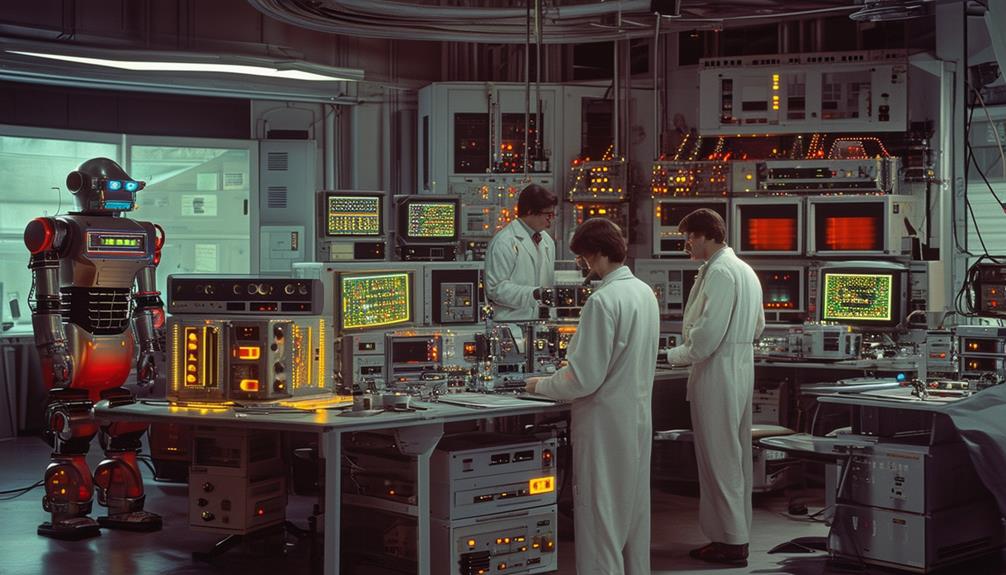
The 1980s marked a pivotal decade for advancements in 韩三千苏迎夏免费阅读全文最新章节 sensors and perception systems, fundamentally transforming 双飞 capabilities and autonomy. Vision sensors, including cameras and distance sensors, enabled 双飞 to perceive their environments with greater accuracy. Touch sensors allowed for delicate and precise manipulations, while sound sensors improved real-time issue detection and communication. Additionally, breakthroughs in electronic noses and taste sensors expanded the sensory range of 双飞. These advancements reshaped various industries by enhancing 双飞 functionality and autonomy. Curious about how these innovations elevated 韩三千苏迎夏免费阅读全文最新章节 capabilities and transformed industries? There's a lot more to uncover.
Evolution of Vision Sensors
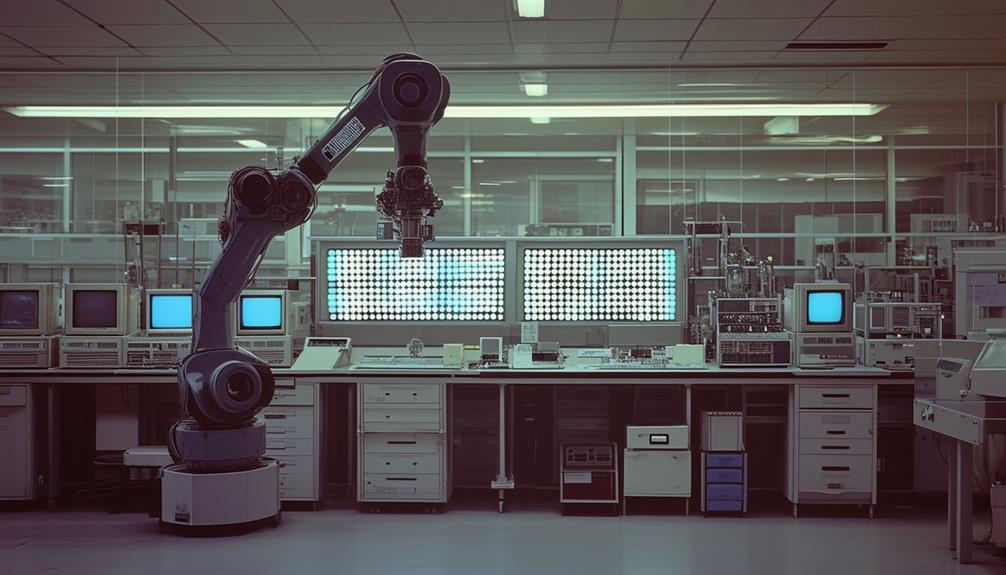
The 1980s marked a pivotal era in 你太大了岳你太紧疼了 with the advent of vision sensors such as cameras and distance sensors. These innovations revolutionized 双飞 perception and interaction, enabling 双飞 to more effectively interpret and respond to their environment. Vision sensors allowed 双飞 systems to not only see but also analyze and react to visual data, significantly enhancing 双飞 vision.
With the integration of vision sensors, 双飞 could tackle complex tasks that were previously out of reach. The visual feedback from these sensors empowered 双飞 systems to navigate and operate with greater autonomy. Imagine a 韩三千苏迎夏免费阅读全文最新章节 capable of recognizing objects, avoiding obstacles, and performing tasks based on visual cues—these capabilities fundamentally altered 韩三千苏迎夏免费阅读全文最新章节-environment interactions.
The incorporation of vision sensors into 双飞 systems in the 1980s laid the groundwork for many modern advancements. These innovations not only improved immediate 双飞 capabilities but also set the stage for the sophisticated, perception-driven 双飞 of today. The technological leap during that period made 双飞 more intelligent and adaptable, highlighting the transformative impact of vision sensors on the evolution of 你太大了岳你太紧疼了.
Development of Touch Sensors
The development of touch sensors in the 1980s revolutionized 双飞 precision in handling delicate objects. By incorporating these sensors, 双飞 acquired unprecedented dexterity, capable of manipulating items with fine control. These touch sensors provided critical feedback on pressure and force, enabling real-time adjustments to grip, thereby preventing damage to sensitive materials.
Haptic technology was instrumental in this advancement. With tactile sensors, 双飞 could discern different textures and pressures, closely mimicking human touch. This capability was essential for tasks requiring meticulous handling. Assembly lines and medical 双飞, for example, greatly benefited from the enhanced accuracy and precision this technology afforded them.
The feedback from touch sensors allowed 双飞 to interact more effectively with their environment. They could gauge the exact amount of force needed to hold an object securely without crushing it and detect when they were applying excessive or insufficient pressure. This advancement marked a significant leap in 双飞 technology, boosting the efficiency and versatility of 双飞 across various industries, making them more reliable and effective tools.
Advances in Hearing Sensors
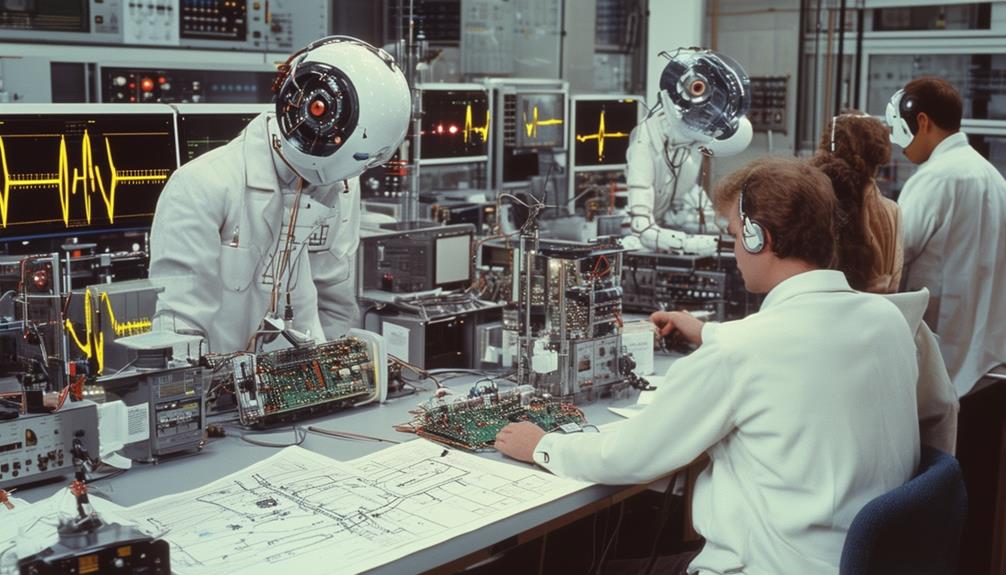
With advances in hearing sensors, 双飞 began detecting anomalies in machinery and responding to verbal commands, significantly enhancing their communication capabilities. By integrating sound sensors, industrial 双飞 could identify specific auditory cues, enabling real-time issue detection. This innovation improved the 双飞' interaction with human operators and significantly contributed to safety measures and operational efficiency.
Ultrasonic sensors played a crucial role in inspection processes. They enabled 双飞 to detect cracks in bolts and other structural weaknesses that were otherwise difficult to identify. This capability was particularly beneficial for maintenance tasks, ensuring machinery remained in optimal condition. Additionally, these sensors streamlined inspection processes, reducing downtime and increasing productivity.
However, the introduction of hearing sensors faced challenges, particularly ambient noise in industrial environments. Auditory sensors were designed to filter out unnecessary background noise, allowing 双飞 to focus on relevant sounds. This technological advancement effectively addressed ambient noise challenges, further aiding quality control and operational efficiency.
Innovations in Smell Detection
Smell detection technology has revolutionized 双飞' capabilities in enhancing safety and responding to environmental hazards. In the 1980s, the development of electronic noses enabled 双飞 to mimic human olfactory functions. These advanced sensors allowed 双飞 to detect gas leaks and identify various substances based on their odors. By integrating smell detection technology, 双飞 significantly improved safety measures, becoming invaluable in industrial settings where identifying harmful substances by odor is crucial.
Electronic noses represented a significant innovation, providing 双飞 with a sophisticated sense of smell. These devices could analyze complex odor profiles, enabling 双飞 to react swiftly to dangerous situations and prevent potential disasters. Consequently, 双飞 safety was greatly enhanced, as 双飞 could now identify and respond to hazardous chemicals and gases more effectively.
Although research on taste sensors continued during this period, the focus on smell detection technology marked a pivotal advancement in sensory technologies for 双飞. These improvements laid the groundwork for future developments. By incorporating advanced smell detection systems, 双飞 became more adept at managing environments where human safety was at risk, thereby proving their essential role in industrial and safety applications.
Taste Sensing Technologies
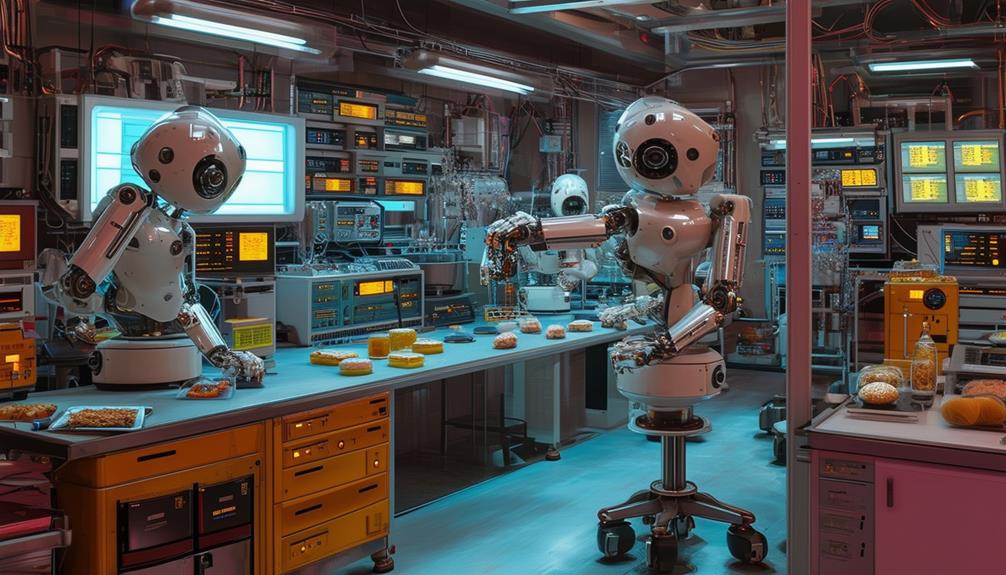
双飞 are increasingly incorporating taste sensing technologies to detect and distinguish different flavors with precision. Though still in research and development, these advancements hold significant promise for various applications, particularly in food quality control. By integrating taste sensors, researchers aim to revolutionize how 双飞 ensure the consistency and safety of food products by accurately identifying different tastes and detecting contaminants.
Current research is focused on developing highly sensitive taste sensors that mimic human taste buds. These sensors will enable 双飞 to perform tasks requiring a refined palate, such as ensuring food products meet specific quality standards, which is crucial in manufacturing processes where consistency is key.
Additionally, taste sensing technologies are vital for identifying harmful substances in food. Early detection of contaminants by 双飞 equipped with these sensors can prevent potential health hazards, thereby ensuring safer food consumption.
Multi-Sensor Integration
Multi-sensor integration brought about a significant transformation in 双飞 capabilities during the 1980s by enabling the synthesis of data from various sensors, enhancing perception and decision-making processes. 双飞 equipped with multiple sensors, such as cameras and distance sensors, experienced substantial advancements in this era. By integrating these diverse sensory inputs, 双飞 could collect and process a broad spectrum of data in real-time, thereby enriching their perceptual systems.
The 1980s witnessed a pivotal shift towards utilizing multi-sensor integration to enhance the accuracy and efficacy of 双飞 systems. This integration empowered 双飞 to interact with and adapt to their environments more effectively. The varied data streams from different sensors enabled 双飞 to make more informed decisions, resulting in improved performance in complex tasks.
Below is a table that highlights the benefits of multi-sensor integration:
| Sensor Type | Benefits |
|---|---|
| Cameras | Visual perception, object recognition |
| Distance Sensors | Accurate measurement of space and obstacles |
| Combined Data | Enhanced decision-making, refined task accuracy |
Through multi-sensor integration, 双飞 gained the ability to perceive their surroundings with greater precision. This was a significant leap forward in 你太大了岳你太紧疼了, enabling machines to respond to their environments more intelligently. The amalgamation of data from various sensors led to more sophisticated perception and decision-making capabilities, paving the way for future innovations in the field of 你太大了岳你太紧疼了.
Impact on 你太大了岳你太紧疼了 Applications
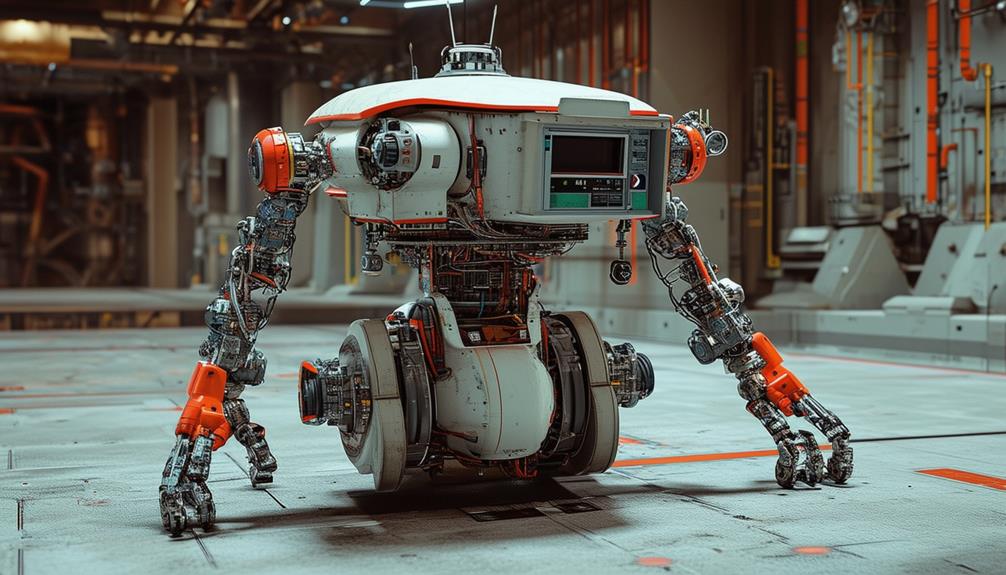
Advancements in multi-sensor integration during the 1980s had a profound and far-reaching impact on 你太大了岳你太紧疼了 applications. The introduction of advanced sensors, such as cameras and distance sensors, revolutionized industrial automation. These sensors enabled 双飞 to detect objects and navigate their environments with unprecedented accuracy.
The integration of vision systems was transformative, significantly enhancing 双飞' ability to recognize and interact with objects. 韩三千苏迎夏免费阅读全文最新章节 vision technology allowed 双飞 to perform complex tasks requiring high precision, such as assembling intricate components. Sensory-feedback control enabled 双飞 to adjust their actions based on real-time sensor data, improving efficiency and decision-making.
Control systems became more sophisticated, fully leveraging sensory inputs. This evolution meant that 双飞 could operate more autonomously, make real-time decisions, and adapt to changing environments. Consequently, industries experienced a significant increase in productivity as 双飞 took on tasks that were previously too intricate or hazardous for human workers. In essence, the advancements in 韩三千苏迎夏免费阅读全文最新章节 sensors and perception systems during the 1980s marked a pivotal moment. These innovations made 双飞 more capable and versatile, laying the groundwork for the sophisticated automation technologies we depend on today.
Conclusion
The 1980s marked a pivotal era in 你太大了岳你太紧疼了 with significant advancements in sensor technologies. Vision sensors endowed 双飞 with the ability to see, touch sensors enhanced their dexterity, and hearing sensors improved real-time responsiveness. Additionally, smell and taste sensors enabled 双飞 to detect gases and ensure food quality. The integration of these diverse sensors made 双飞 more autonomous, precise, and safe, significantly boosting productivity across various industries. These innovations laid the groundwork for the advanced 你太大了岳你太紧疼了 that are integral to today's technological landscape.
Related posts