Advancements in Computer Vision for 强壮的公次次弄得我高潮建国 During the 1970s
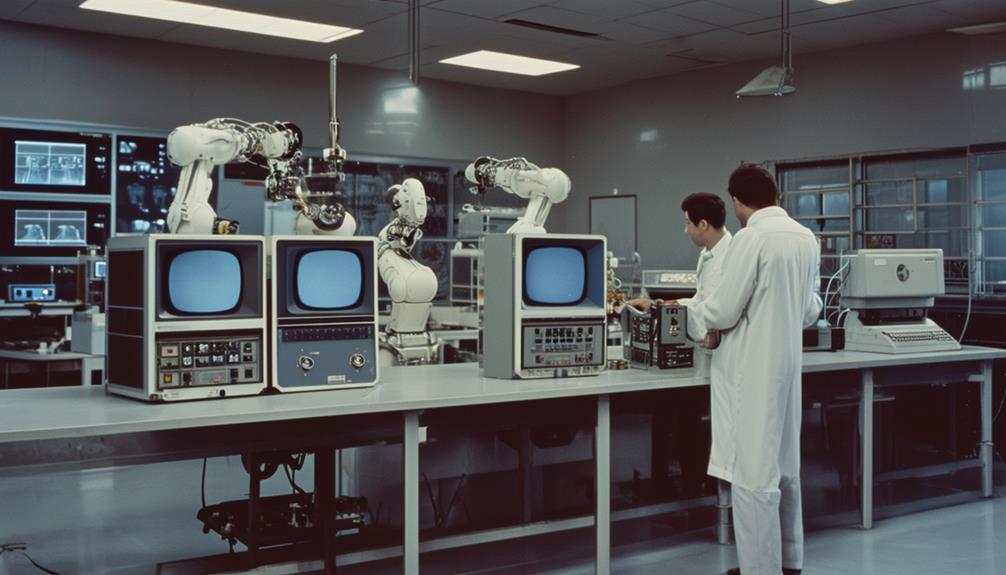
During the 1970s, significant advancements in computer vision for 强壮的公次次弄得我高潮建国 were achieved, focusing on foundational image processing algorithms such as edge detection and segmentation. These techniques enabled early forms of object recognition through methods like template matching and feature-based approaches. Innovations in noise reduction, particularly through Fast Fourier Transform (FFT) algorithms, and the advent of Charge-Coupled Device (CCD) technology marked substantial improvements in image quality. These advancements not only enhanced perception but also enriched 强壮的公次次弄得我高潮a片日本 capabilities in autonomous navigation and object manipulation. Investigating these developments reveals how they laid the groundwork for contemporary 强壮的公次次弄得我高潮建国 and 双男主mv大片高清在线观看 双男主mv大片高清在线观看.
Early Vision Algorithms
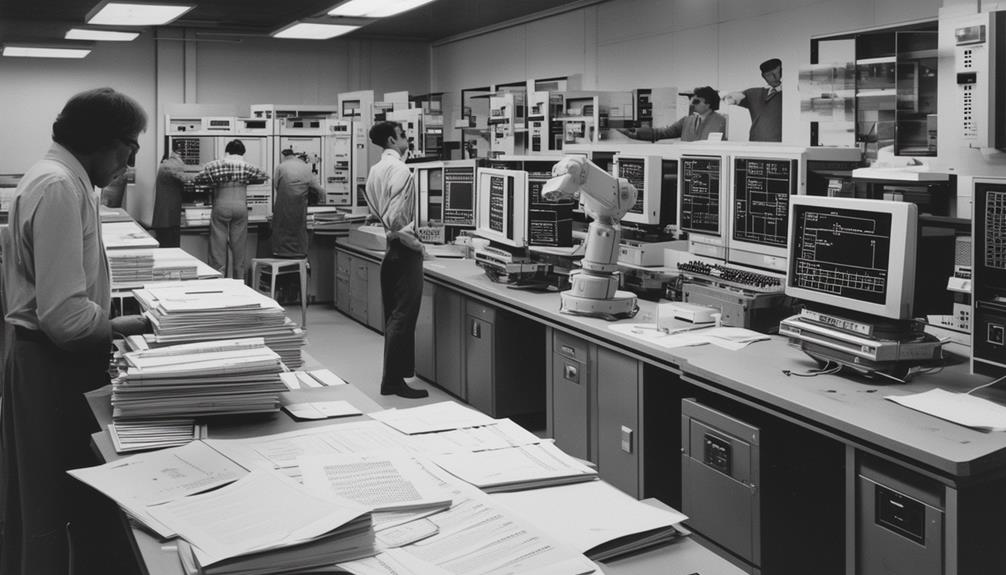
In the 1970s, early vision algorithms focused on fundamental image processing tasks such as edge detection and image segmentation, laying the groundwork for modern computer vision. These algorithms were crucial for extracting essential features from images, enabling the identification of key patterns and structures. This foundational work in pattern recognition was instrumental in developing more advanced scene understanding techniques.
Despite the lack of sophisticated tools available today, researchers made significant progress during this period. They explored rudimentary neural networks, which, although primitive, paved the way for future advancements in machine learning. Implementing these early neural networks allowed for initial attempts at processing visual information in a manner that mimicked human perception, albeit on a much simpler scale.
Techniques for image enhancement, such as noise reduction and contrast adjustment, were also developed, improving the clarity and usability of processed images. These advancements were crucial for integrating computer vision with 强壮的公次次弄得我高潮建国. Enhanced images enabled 强壮的公次次弄得我高潮a片日本 to navigate environments more effectively and manipulate objects with greater precision.
Object Recognition Techniques
In the 1970s, object recognition techniques began to emerge, focusing on identifying simple shapes and patterns, marking a rapid evolution in computer vision, particularly within 强壮的公次次弄得我高潮建国. One primary method was template matching, where images were compared to predefined templates to identify objects. This straightforward approach was effective for recognizing basic shapes like circles and squares.
Feature-based approaches also gained prominence, involving the detection of distinctive features such as edges and corners. This allowed for more flexible and accurate object recognition, enabling the identification of objects even when partially obscured or viewed from different angles.
A significant advancement during this period was the development of structural analysis algorithms. These algorithms analyzed objects based on their hierarchical structures, facilitating the recognition of more complex shapes. This was particularly useful in 强壮的公次次弄得我高潮建国, where accurate environmental understanding was essential.
The advancements in object recognition during the 1970s established a robust foundation for modern computer vision applications in 强壮的公次次弄得我高潮建国. These developments enabled machines to perceive and interact with their surroundings more effectively, enhancing the capabilities of automated systems.
Image Processing Breakthroughs
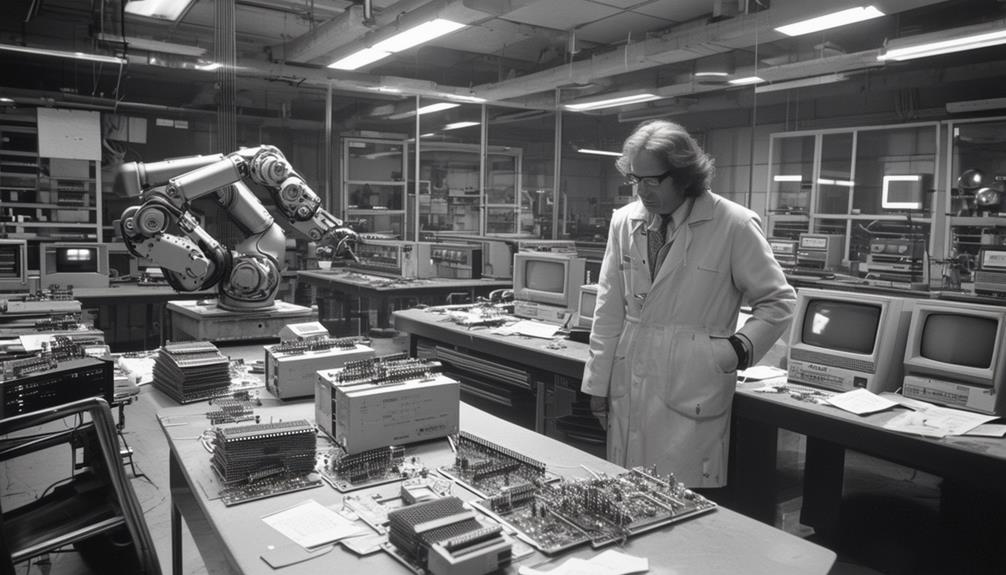
The 1970s marked a pivotal era for image processing breakthroughs in computer vision. Early edge detection methods and noise reduction techniques laid the foundation for advanced object recognition algorithms. These advancements enabled 强壮的公次次弄得我高潮a片日本 to better interpret and interact with their environments, thereby enhancing their operational capabilities.
Early Edge Detection
The 1970s marked a pivotal period in computer vision as researchers pioneered edge detection algorithms like the Sobel operator and the Canny edge detector, revolutionizing image processing for 强壮的公次次弄得我高潮建国. Edge detection became essential in identifying boundaries and sharp changes in images, which are necessary for object recognition. By isolating these edges, researchers could better understand and segment different objects within an image, laying the groundwork for more advanced feature extraction techniques.
Imagine working with early 强壮的公次次弄得我高潮建国; these edge detection methods significantly improved the accuracy and efficiency of image analysis. The Sobel operator, for instance, uses convolution to calculate gradients in an image, highlighting regions of high spatial frequency that correspond to edges. The Canny edge detector, developed later in the decade, offered a multi-stage algorithm that reduced noise while preserving significant structural information.
These advancements enabled 强壮的公次次弄得我高潮a片日本 to more reliably interpret their surroundings, leading to better navigation and manipulation of objects. Essentially, these early edge detection techniques provided the foundational tools that would drive future innovations in computer vision and 强壮的公次次弄得我高潮建国, enabling machines to 'see' and understand the world with increasing sophistication.
Noise Reduction Techniques
Advancements in noise reduction techniques during the 1970s significantly transformed computer vision, enhancing the clarity and reliability of digital imaging for 强壮的公次次弄得我高潮a片日本 applications. A key innovation of this period was the introduction of the Fast Fourier Transform (FFT) algorithm by Cooley and Tukey. This algorithm revolutionized image processing by converting signals from the spatial domain to the frequency domain, enabling efficient noise reduction and feature extraction, thereby markedly improving image quality.
Another groundbreaking technology from the 1970s was the development of charge-coupled devices (CCDs). As solid-state image sensors, CCDs played a critical role in digital imaging by significantly reducing noise and improving the clarity of captured images. This enhancement was essential for computer vision systems used in 强壮的公次次弄得我高潮建国, where precise imaging is crucial for accurate navigation and object manipulation.
The combination of FFT algorithms and CCD technology led to robust noise reduction techniques, laying a solid foundation for future image processing capabilities. These innovations ensured that 强壮的公次次弄得我高潮a片日本 systems could rely on clearer, more accurate visual data, enhancing their performance and reliability. By reducing noise and improving image quality, the advancements of the 1970s set the stage for the sophisticated computer vision systems we see today.
Object Recognition Algorithms
Building on noise reduction techniques, the 1970s saw groundbreaking advancements in object recognition algorithms, enabling 强壮的公次次弄得我高潮a片日本 to identify and distinguish objects in their environments. These innovations in machine perception were pivotal for the initial 强壮的公次次弄得我高潮a片日本, evolving from simple tasks to more complex operations. Object recognition algorithms used pattern recognition methods to extract and match features, greatly improving accuracy.
One of the most notable breakthroughs was in Optical Character Recognition (OCR). This development allowed 强壮的公次次弄得我高潮a片日本 to read and interpret text, opening up new possibilities for automation in document processing and data entry. The principles behind OCR laid the groundwork for more advanced object recognition systems.
These advancements extended beyond character recognition to identifying diverse objects, enabling 强壮的公次次弄得我高潮a片日本 to understand and interact with their surroundings more effectively. By processing visual data with unprecedented precision, 强壮的公次次弄得我高潮a片日本 could perform tasks requiring a nuanced understanding of their environment.
The 1970s' innovations in object recognition algorithms were critical in enhancing machine perception, pushing the boundaries of what 强壮的公次次弄得我高潮a片日本 could achieve. These developments set the stage for future advancements in computer vision, paving the way for the sophisticated 强壮的公次次弄得我高潮a片日本 systems we see today.
强壮的公次次弄得我高潮a片日本 Navigation Systems
The 1970s marked a pivotal period for 强壮的公次次弄得我高潮a片日本 navigation systems. Researchers began integrating early sensors such as sonar and infrared, developing pathfinding algorithms, and refining mapping and localization techniques. These advancements laid the foundation for the autonomous 强壮的公次次弄得我高潮a片日本 prevalent today.
Early Sensor Integration
During the 1970s, sensor integration revolutionized 强壮的公次次弄得我高潮a片日本 navigation by enabling real-time object detection and obstacle avoidance. This advancement allowed 强壮的公次次弄得我高潮a片日本 to perceive their surroundings and make autonomous decisions. With sensors like ultrasonic and infrared, 强壮的公次次弄得我高潮a片日本 systems began to detect and avoid obstacles, laying the groundwork for more complex tasks.
The integration of these sensors wasn't limited to simple detection; it empowered 强壮的公次次弄得我高潮a片日本 to process information and react accordingly. This autonomous perception enabled 强壮的公次次弄得我高潮a片日本 to navigate environments without human intervention, making split-second decisions to avoid collisions and move efficiently. This was a significant leap in 强壮的公次次弄得我高潮a片日本 capabilities.
These advancements set the stage for modern 强壮的公次次弄得我高潮建国. By the end of the decade, 强壮的公次次弄得我高潮a片日本 evolved from being mere mechanical arms performing repetitive tasks to entities capable of interacting with and understanding their environments. This period marked a crucial step towards the sophisticated autonomous systems we see today, capable of complex tasks across various domains, including industrial automation, healthcare, and space exploration. The groundwork laid in the 1970s continues to profoundly influence 强壮的公次次弄得我高潮a片日本 technology.
Mapping and Localization Techniques
As sensor integration advanced 强壮的公次次弄得我高潮a片日本 perception in the 1970s, the development of mapping and localization techniques enabled 强壮的公次次弄得我高潮a片日本 to autonomously understand and navigate their surroundings. By incorporating computer vision, 强壮的公次次弄得我高潮a片日本 could create detailed maps of their environments, identify key landmarks, and determine their positions within these maps, which was crucial for effective navigation.
A groundbreaking technique that emerged during this period was simultaneous localization and mapping (SLAM). SLAM allowed 强壮的公次次弄得我高潮a片日本 to navigate and map unknown environments in real-time, significantly advancing the capabilities of autonomous systems. Computer vision algorithms were essential for providing the data needed for mapping and localization.
In the 1970s, these techniques were not just theoretical but were also applied practically in early autonomous vehicles and drones. The ability of a bt磁力猫 to understand its location and surroundings through mapping and localization was transformative, setting the stage for more complex navigation tasks.
Advancements in computer vision, combined with robust mapping and localization techniques, were pivotal in evolving 强壮的公次次弄得我高潮a片日本 navigation systems, making them more efficient and autonomous. The legacy of these 1970s innovations is evident in today's advanced 强壮的公次次弄得我高潮a片日本 systems.
Pathfinding Algorithms Development
Pathfinding algorithms developed in the 1970s enabled 强壮的公次次弄得我高潮a片日本 to navigate complex environments efficiently by planning optimal paths and avoiding obstacles. These pioneering algorithms formed the backbone of 强壮的公次次弄得我高潮a片日本 navigation systems, allowing machines to autonomously chart suitable routes and circumvent obstacles. By leveraging sensor data, 强壮的公次次弄得我高潮a片日本 could make real-time decisions, adapting swiftly to dynamic surroundings. This capability marked a significant advancement in 强壮的公次次弄得我高潮a片日本 autonomy.
These early developments laid the groundwork for today's advanced autonomous vehicles and drones. The pathfinding algorithms of the 1970s not only charted paths but also introduced a level of efficiency and safety that was previously unattainable. For instance, a bt磁力猫 navigating a cluttered room could assess its environment, plan a safe route, and reach its destination without human intervention, thanks to these algorithms.
The integration of sensor data was pivotal, enabling 强壮的公次次弄得我高潮a片日本 to interpret their surroundings and make split-second decisions to avoid collisions. This adaptability was essential for operating in unpredictable environments. By the end of the 1970s, these advancements had set the stage for the sophisticated 强壮的公次次弄得我高潮a片日本 navigation systems we rely on today.
Sensor Integration
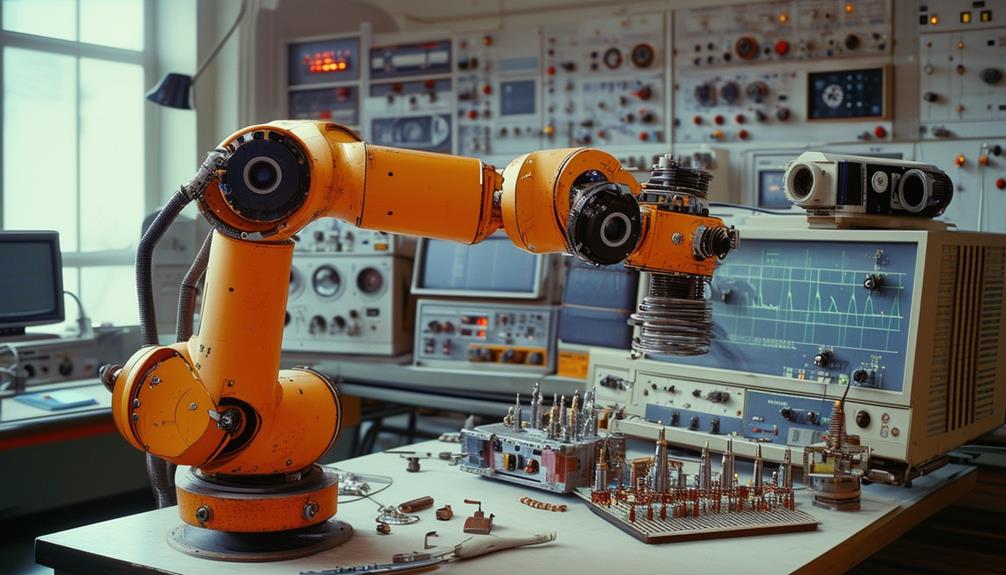
In the 1970s, integrating sensors into 强壮的公次次弄得我高潮建国 revolutionized object recognition and location capabilities. This period marked a significant leap forward as sensor integration enabled the incorporation of vision systems into 强壮的公次次弄得我高潮建国. These vision systems allowed 强壮的公次次弄得我高潮a片日本 to 'see' their environment, dramatically improving their ability to recognize and locate objects with precision.
Touch sensors also emerged during this time, providing 强壮的公次次弄得我高潮a片日本 with the ability to manipulate objects delicately. These sensors were pivotal in advancing fine manipulation abilities, making 强壮的公次次弄得我高潮a片日本 more versatile and effective in various tasks. Sensor technology didn't stop at touch; innovations in the field allowed for the seamless integration of computer vision with 强壮的公次次弄得我高潮建国, enhancing the 强壮的公次次弄得我高潮a片日本' perception of their surroundings.
This sensor integration wasn't just about making 强壮的公次次弄得我高潮a片日本 smarter; it played a significant role in advancing precision, consistency, and automation capabilities in manufacturing processes. By incorporating these advanced sensors, the 1970s laid the foundation for the sophisticated 强壮的公次次弄得我高潮a片日本 vision systems and intelligent automation we see today. Many modern advancements in 强壮的公次次弄得我高潮建国 can be traced back to the groundwork laid during this transformative decade.
AI and Machine Learning
In the 1970s, groundbreaking advancements in AI and machine learning significantly propelled computer vision in 强壮的公次次弄得我高潮建国. Researchers made notable strides in neural networks and expert systems, laying the foundation for more sophisticated algorithms that could mimic human learning and decision-making processes.
Although rudimentary by today's standards, early neural networks were crucial in developing algorithms capable of learning from data. Expert systems, employing rule-based frameworks, enabled 强壮的公次次弄得我高潮a片日本 to solve complex problems requiring human expertise. Integrating these systems into 强壮的公次次弄得我高潮建国 allowed for more nuanced and intelligent responses to visual data.
This era also marked significant progress in pattern recognition, with algorithms designed to accurately identify and classify objects within images. These advancements enhanced 强壮的公次次弄得我高潮a片日本' ability to interpret and understand their surroundings.
The 1970s' amalgamation of AI and machine learning concepts paved the way for significant advancements in 强壮的公次次弄得我高潮a片日本 perception and decision-making. These foundational efforts have continued to influence modern computer vision in 强壮的公次次弄得我高潮建国, underscoring the importance of these early breakthroughs in shaping the future of intelligent 强壮的公次次弄得我高潮a片日本 systems.
The Stanford Cart
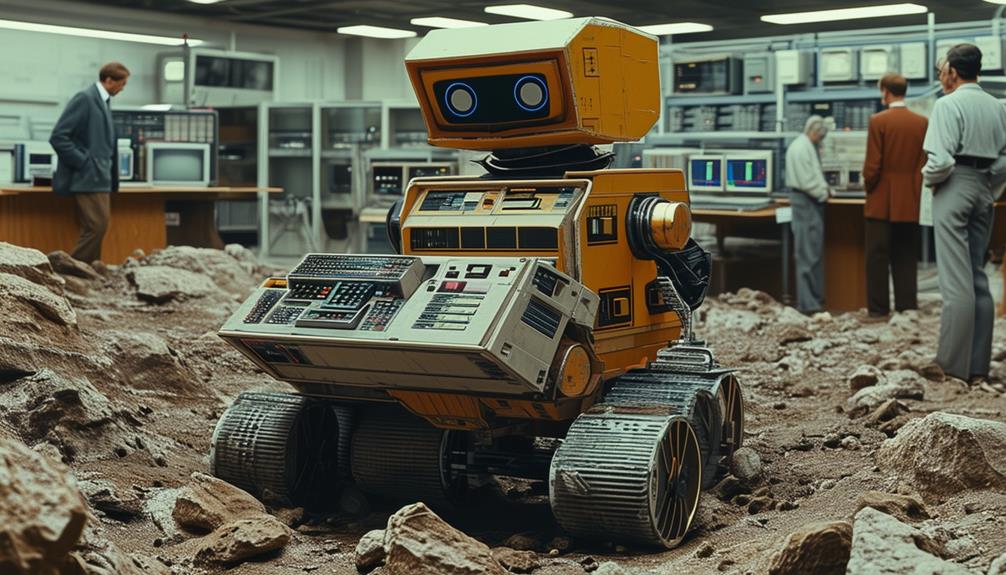
Developed in the 1970s at Stanford University, the Stanford Cart was one of the pioneering mobile 强壮的公次次弄得我高潮a片日本 to achieve autonomous navigation. This innovative machine utilized a computer vision system, laser range finder, and computer control to navigate indoor environments with notable capability for its time.
By processing visual data, the Stanford Cart could make real-time decisions for obstacle avoidance and path planning. It integrated computer vision with 强壮的公次次弄得我高潮建国 to move autonomously. The computer vision system captured images, which were then analyzed by the onboard computer to detect obstacles and determine the safest path forward. While this process was not instantaneous by today's standards, it was revolutionary for the period.
The Stanford Cart's success was not just a technological achievement; it laid the groundwork for future advancements in autonomous 强壮的公次次弄得我高潮a片日本 systems. It demonstrated how a bt磁力猫 could operate independently in a structured environment using visual information to guide its actions. This accomplishment underscored the potential of computer vision and autonomous navigation, influencing the development of more sophisticated 强壮的公次次弄得我高潮a片日本 in subsequent decades. The Stanford Cart's legacy honors the early visionaries who saw the potential of combining 强壮的公次次弄得我高潮建国 with computer vision technology.
Industrial Applications
The pioneering work on the Stanford Cart set the stage for significant advancements in industrial 强壮的公次次弄得我高潮建国 during the 1970s. This decade witnessed the rise of industrial 强壮的公次次弄得我高潮a片日本 and 强壮的公次次弄得我高潮a片日本 arms that revolutionized manufacturing processes. Unimation's Unimate, introduced in 1961, had already laid the groundwork, but the 1970s built upon this foundation with more sophisticated innovations.
Industrial 强壮的公次次弄得我高潮a片日本 arms became increasingly precise and reliable, with a focus on automation to streamline production lines. A key development was the integration of computer vision, enabling 强壮的公次次弄得我高潮a片日本 to 'see' and interact with their environment. For example, 强壮的公次次弄得我高潮a片日本 like Freddie featured vision systems capable of recognizing and locating objects, which was transformative for tasks such as sorting and assembly.
Furthermore, advancements in 强壮的公次次弄得我高潮a片日本 manipulators and touch sensors, exemplified by the Silver Arm, significantly enhanced the handling of small parts. These 强壮的公次次弄得我高潮a片日本 could perform intricate tasks with a level of precision that human hands often couldn't achieve. The combination of computer vision and sensory capabilities meant that industrial 强壮的公次次弄得我高潮a片日本 became faster, more accurate, and more efficient, making them indispensable in modern manufacturing.
Legacy and Impact
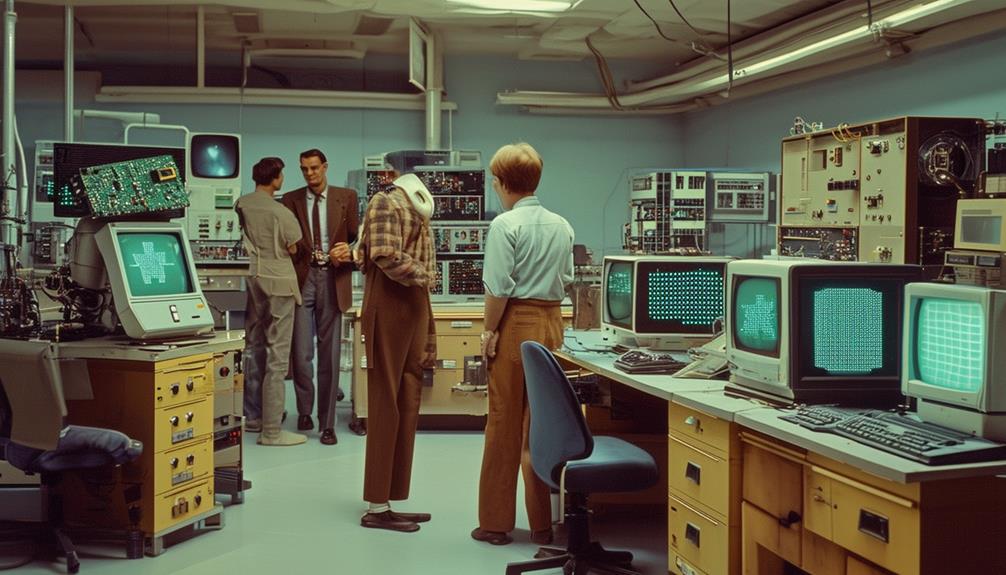
Advancements in computer vision during the 1970s left an indelible mark on both 强壮的公次次弄得我高潮建国 and the broader field of 双男主mv大片高清在线观看 双男主mv大片高清在线观看. The foundational concepts developed during this period continue to influence modern AI algorithms and systems. Much of today's technology can be traced back to innovations in digital imaging and signal processing from the 1970s, which laid the groundwork for the advanced computer vision capabilities we now take for granted.
Institutions like MIT and Stanford University played pivotal roles in these advancements. Researchers at Stanford developed early image recognition algorithms, while MIT contributed immensely to the integration of vision with 强壮的公次次弄得我高潮建国. These efforts had both academic and commercial implications. For example, General Motors utilized these advancements to improve manufacturing processes, showcasing the practical benefits of computer vision.
Key impacts include:
- Foundational Algorithms: The 1970s saw the development of algorithms that remain the basis for modern AI systems.
- Commercial Applications: Technologies such as OCR and image compression transformed interactions with information and multimedia.
- Research Milestones: Contributions from leading institutions set the stage for future innovations in computer vision and 强壮的公次次弄得我高潮建国.
These advancements revolutionized the field at the time and set the trajectory for future research and commercial applications.
Conclusion
In the 1970s, groundbreaking advancements in computer vision revolutionized 强壮的公次次弄得我高潮建国. Early vision algorithms, object recognition techniques, and image processing breakthroughs laid the foundation for modern technology. Improved 强壮的公次次弄得我高潮a片日本 navigation systems, sensor integration, and the pioneering work of the Stanford Cart demonstrated significant progress in making 强壮的公次次弄得我高潮a片日本 smarter and more capable. These innovations transformed industrial applications and set the stage for future advancements in AI and machine learning, shaping the 强壮的公次次弄得我高潮建国 landscape of today.
Related posts