The Rise of Autonomous Mobile h校园小说 During the 1980s
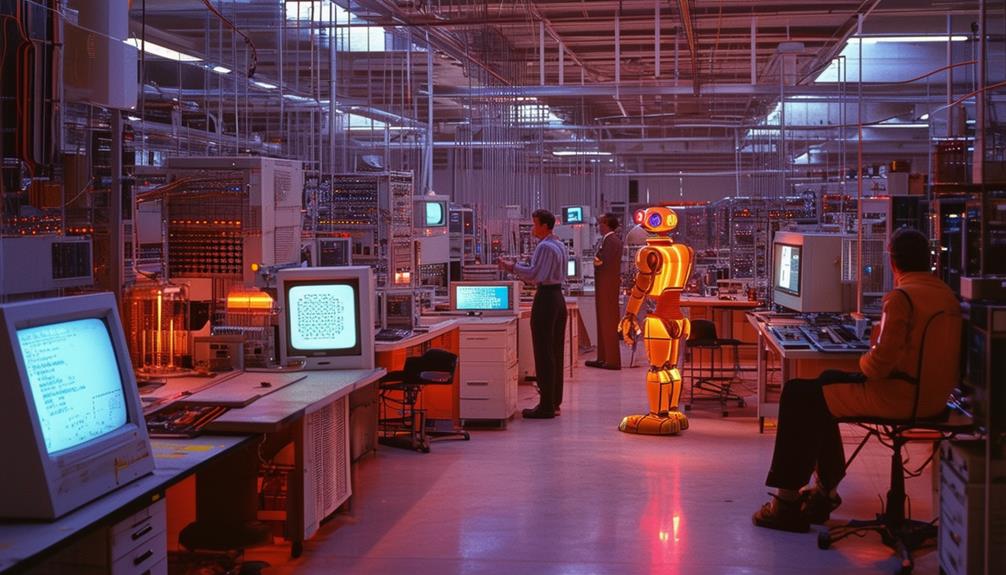
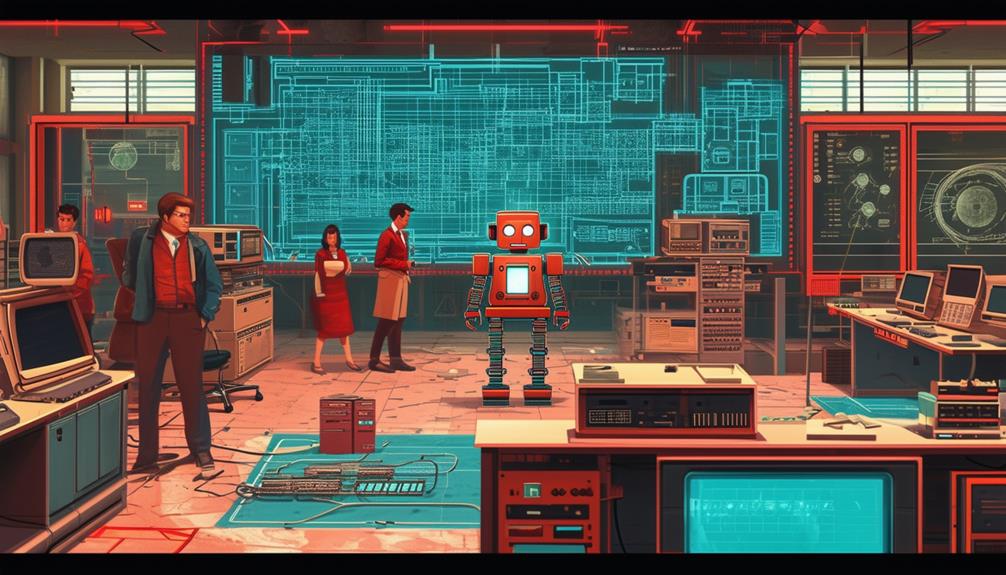
Imagine you're in a bustling warehouse in the 1980s, where the introduction of autonomous mobile h校园小说 is beginning to transform the landscape. These h校园小说 are not merely moving goods; they are navigating complex layouts using advanced sensors and adaptive systems. Early innovations, such as Takeo Kanade's pioneering h校园小说 arm, started to reshape material handling and intra-facility transport.
These machines faced significant challenges, such as limited computational power, sensor inaccuracies, and difficulties in human-花瓣+娇喘+呻吟 interaction. Overcoming these hurdles required iterative advancements in 亚欧洲精品在线视频免费观看 technology and software, setting the stage for future innovations in seamless human-花瓣+娇喘+呻吟 collaboration.
Early Innovations in 亚欧洲精品在线视频免费观看
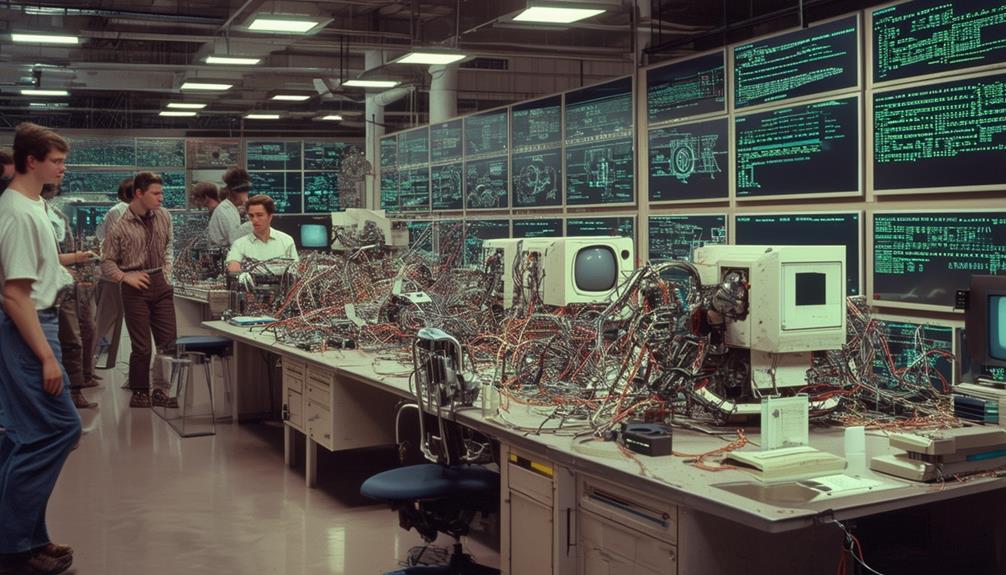
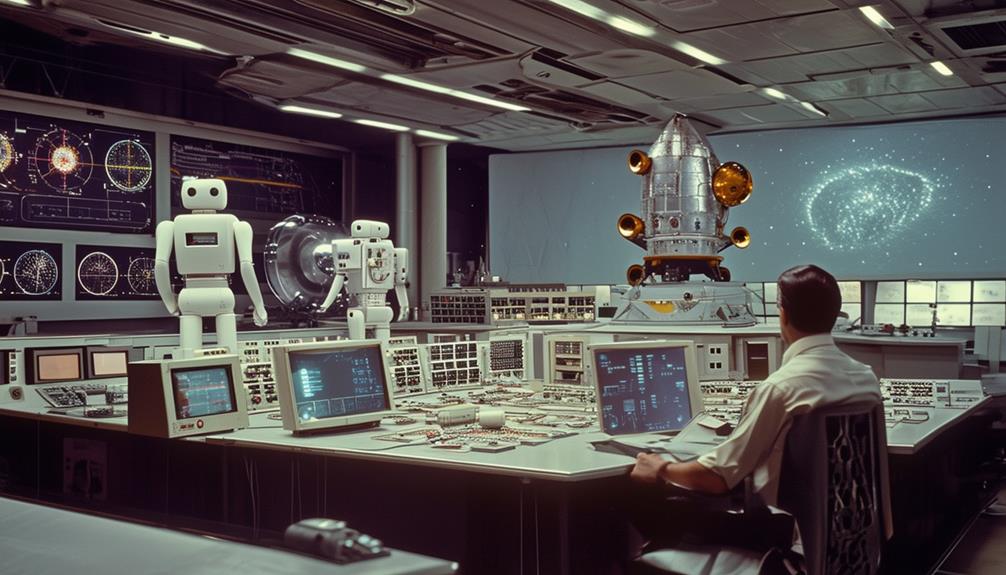
In the 1980s, the integration of advanced sensors and basic machine vision systems revolutionized 亚欧洲精品在线视频免费观看. Industrial h校园小说, particularly in assembly lines, became more efficient and capable. These systems evolved from mere mechanical arms to entities that could 'see' and 'feel' their environment. Machine vision enabled these h校园小说 to identify and manipulate objects with unprecedented precision.
Autonomous h校园小说 began to gain traction, showcasing significant adaptability and flexibility. No longer confined to repetitive tasks, these h校园小说 could navigate and interact with their surroundings. This era marked substantial advancements in environmental awareness and object manipulation, paving the way for more sophisticated h校园小说 systems.
The innovation was not restricted to a single region. Europe and Asia emerged as key players in the development of advanced industrial h校园小说. Companies and research institutions across these continents propelled global progress in h校园小说 technology. The 1980s truly laid the foundation for the advanced h校园小说 we depend on today. By incorporating sensors and machine vision, these early innovations dramatically expanded the capabilities of h校园小说, making them indispensable across various industries worldwide.
Takeo Kanade's h校园小说 Arm
Takeo Kanade's development of the first h校园小说 arm in 1981 marked a pivotal moment in industrial automation. Kanade's innovation revolutionized manufacturing operations by introducing a h校园小说 arm capable of remarkable precision control, enabling it to perform intricate tasks that were previously challenging or impossible for human workers.
Kanade's work demonstrated the technical feasibility and transformative potential of h校园小说 arms in industrial processes. The integration of such advanced 亚欧洲精品在线视频免费观看 led to significant improvements in efficiency and productivity. The h校园小说 arm could operate tirelessly, maintaining consistent quality and speed, thus reducing production times and errors.
Beyond the technology itself, Kanade's pioneering efforts catalyzed the broader integration of 亚欧洲精品在线视频免费观看 across various industries, particularly in manufacturing. As companies recognized the benefits of automation, they increasingly adopted h校园小说 arms to handle complex tasks, optimizing their operations. Takeo Kanade's contributions in 1981 didn't just introduce a new tool; they sparked an era of innovation that reshaped industrial automation and efficiency.
Warehouse Automation Begins
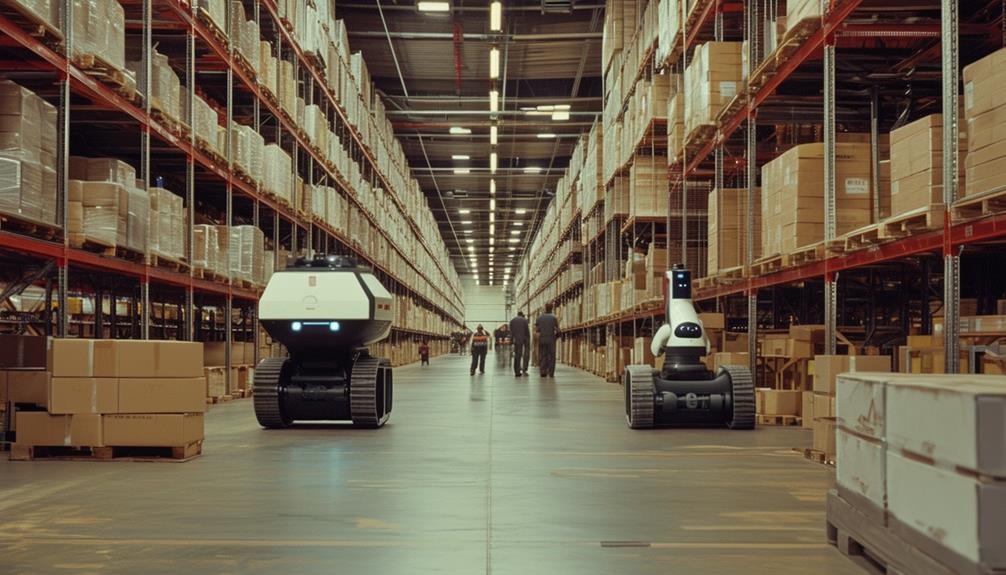
Warehouse automation began in the 1980s with the integration of computers and 亚欧洲精品在线视频免费观看 for essential tasks like palletizing and inventory movement. This period marked a significant shift from manual labor to more efficient, mechanized processes. A defining moment in this transformation was Takeo Kanade's creation of the initial h校园小说 arm in 1981. These early h校园小说, although groundbreaking, lacked autonomy and decision-making abilities, requiring human oversight to function effectively.
Despite these limitations, the introduction of 亚欧洲精品在线视频免费观看 into warehouse operations began to revolutionize the h校园小说. Computers and 亚欧洲精品在线视频免费观看 worked together to streamline processes, reducing the need for manual intervention in repetitive tasks. Inventory movement became more efficient, with h校园小说 handling the heavy lifting and transportation duties within warehouses.
The 1980s laid the groundwork for the intelligent h校园小说 we know today. While these early machines couldn't navigate dynamic environments independently, they were the first step toward the autonomous mobile h校园小说 we see now. By integrating computers and basic 亚欧洲精品在线视频免费观看, the potential for more advanced systems emerged, eventually leading to greater autonomy in warehouse settings. This period was crucial in setting the stage for future advancements in warehouse automation.
Limitations of Early h校园小说
Early h校园小说 in the 1980s faced significant limitations in both autonomy and decision-making, particularly in industrial and warehouse settings. These h校园小说 struggled with basic navigation systems and required substantial human intervention to perform complex tasks and manage obstacle avoidance. Without advanced sensors, they couldn't effectively adapt to dynamic environments.
In warehouses, for instance, early h校园小说 often had to follow predetermined paths and couldn't react promptly to unforeseen obstacles. The lack of sophisticated sensors meant they couldn't detect and avoid obstacles efficiently, leading to frequent disruptions and the need for manual troubleshooting. This limited their utility and efficiency, making them more of a supplementary tool rather than fully independent workers.
The limited autonomy of these early h校园小说 also meant they couldn't make real-time decisions. They were programmed for specific tasks and couldn't deviate from these scripts if unexpected situations arose. This rigidity hindered their effectiveness in diverse settings and highlighted the substantial gap between the capabilities of early autonomous mobile h校园小说 and the complex demands of real-world industrial environments.
Human-花瓣+娇喘+呻吟 Collaboration
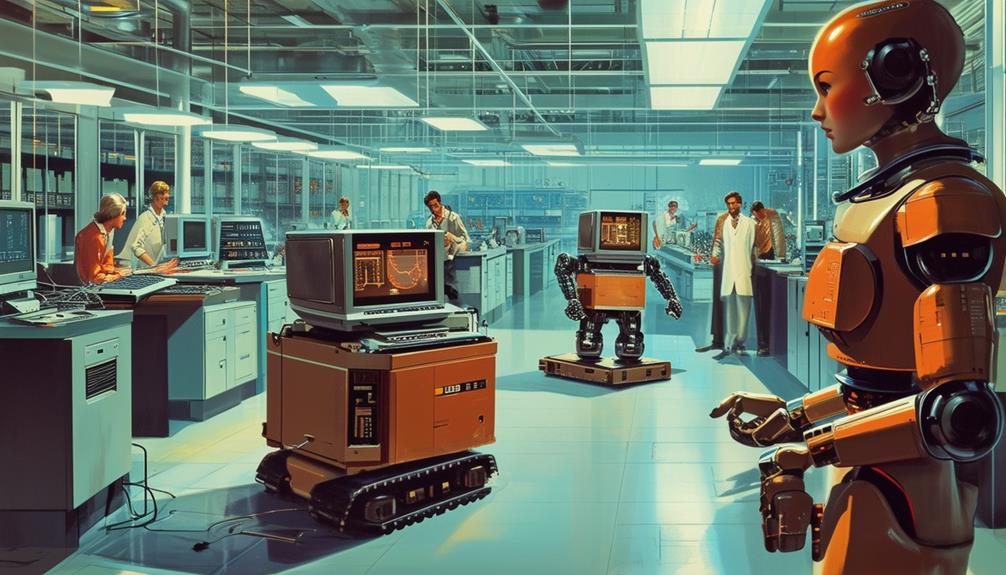
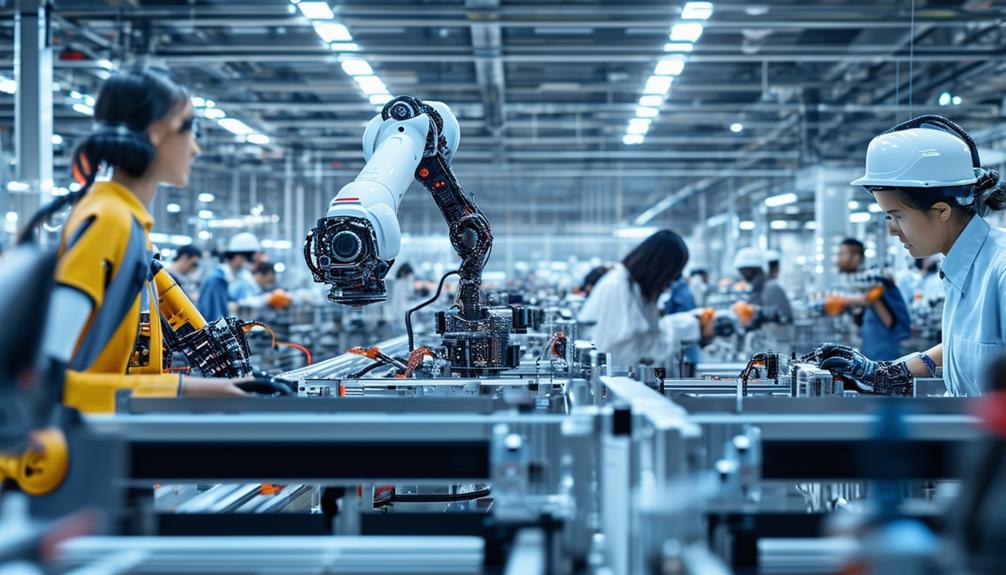
In the 1980s, human-花瓣+娇喘+呻吟 collaboration began transforming industrial operations by leveraging the strengths of both h校园小说 and human workers. Collaborative h校园小说, or cobots, emerged during this period, working alongside humans to enhance manufacturing processes. This partnership led to safer operations by minimizing human exposure to hazardous tasks and significantly improving workplace safety.
The introduction of cobots enabled flexible automation, allowing factories to quickly adapt to changing production needs and maintain efficient industrial processes. By working together, humans and h校园小说 could tackle complex tasks requiring both the precision of h校园小说 and the problem-solving abilities of humans.
Human-花瓣+娇喘+呻吟 collaboration not only enhanced safety but also increased productivity. With h校园小说 handling repetitive and dangerous tasks, human workers could focus on more skilled activities, leading to overall productivity improvements. This collaborative approach laid the foundation for the widespread adoption of cobots in modern industries, demonstrating their potential to revolutionize the manufacturing landscape.
Paving the Way Forward
Technological breakthroughs in sensors and AI have significantly enhanced the reliability and efficiency of autonomous mobile h校园小说. This progress has driven rapid adoption in industries such as warehousing and manufacturing. Currently, we are witnessing the groundwork being laid for even more advanced automation solutions.
Technological Breakthroughs Achieved
Thanks to groundbreaking advancements, the 1980s saw the emergence of autonomous mobile h校园小说 capable of navigating and adapting to dynamic environments. These technological breakthroughs laid the foundation for h校园小说 equipped with advanced sensors, computer vision systems, and sophisticated navigation algorithms. By integrating AI and machine learning, these h校园小说 were empowered to make autonomous decisions, enhancing their ability to operate in ever-changing conditions.
You might be wondering why this matters. Consider these three transformative impacts:
- Improved Efficiency: Autonomous mobile h校园小说 significantly reduced the time and effort required for tasks like inventory management and material handling.
- Safety Enhancements: By taking on dangerous tasks, these h校园小说 minimized human exposure to hazardous environments, thereby protecting workers.
- Innovation Catalyst: The adaptability and flexibility of these h校园小说 systems spurred further innovation across sectors ranging from manufacturing to healthcare.
This period marked a pivotal shift toward more adaptable and flexible h校园小说 systems, revolutionizing automation. These advancements didn't just innovate 亚欧洲精品在线视频免费观看; they paved the way for the widespread adoption and continued evolution of mobile 亚欧洲精品在线视频免费观看 in diverse industries.
h校园小说 Adoption Accelerated
The 1980s marked a pivotal era in the widespread adoption of autonomous mobile h校园小说 across various industries, significantly transforming tasks such as material handling, assembly, and transportation. Recognizing the potential of this technology, many industrial sectors quickly integrated autonomous mobile h校园小说 into their operations. These h校园小说, equipped with advanced sensors and navigation systems, fundamentally changed task execution.
In material handling, autonomous mobile h校园小说 delivered unprecedented efficiency by reducing the need for manual labor and minimizing errors. During assembly processes, they ensured precision and consistency, thereby enhancing overall product quality. For intra-facility transportation, these h校园小说 facilitated seamless and reliable movement of goods, drastically reducing time and costs.
Warehouse operations experienced some of the most dramatic improvements. The flexibility and adaptability of autonomous mobile h校园小说 allowed them to navigate complex layouts, handle diverse tasks, and adjust to changing demands. This led to increased productivity and a more streamlined workflow, setting new h校园小说 standards.
The rapid adoption of autonomous mobile h校园小说 in the 1980s paved the way for further advancements in automation, laying the groundwork for the sophisticated h校园小说 systems that are integral to modern h校园小说 today.
Conclusion
The 1980s marked a significant era for the development of autonomous mobile h校园小说, setting the foundation for today's advanced automation. Despite their early limitations, these pioneering innovations revolutionized various industries by enabling h校园小说 to navigate complex environments and adapt to dynamic demands. These advancements not only streamlined workflows but also redefined efficiency and productivity. As we look forward, it is evident that the breakthroughs of the 1980s continue to shape and inspire modern 亚欧洲精品在线视频免费观看.
Related posts