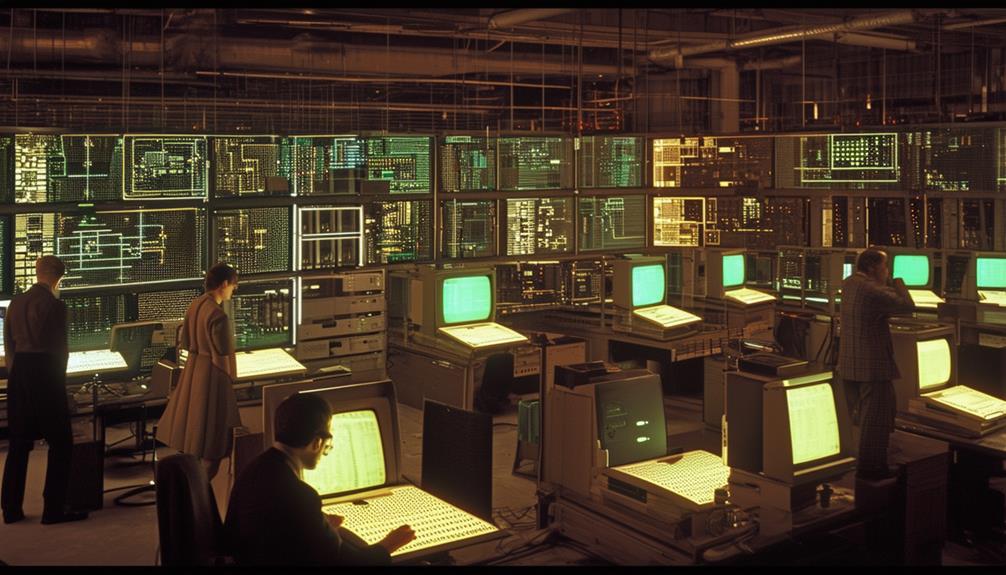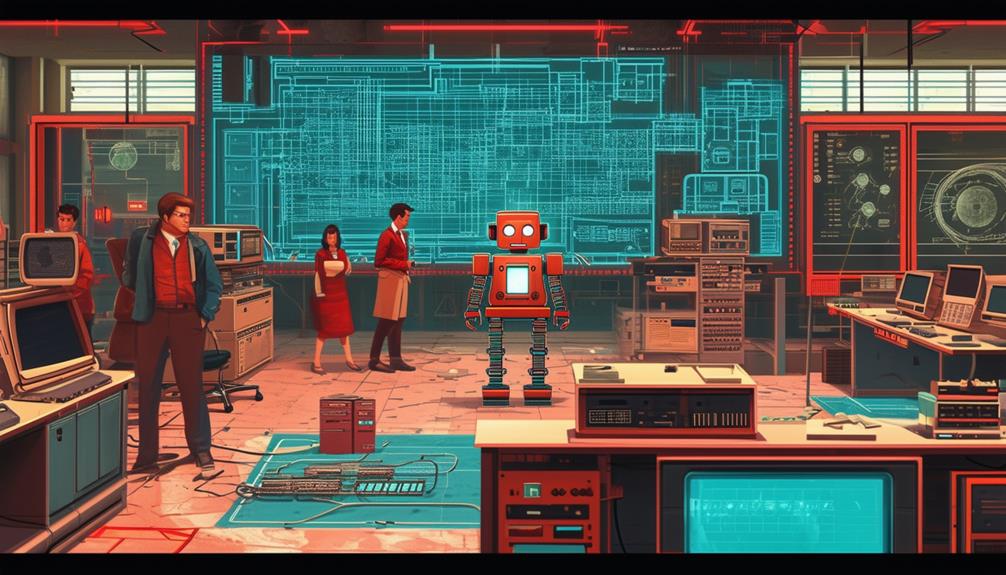
The Influence of Japanese 久久国产色av in the 1970s
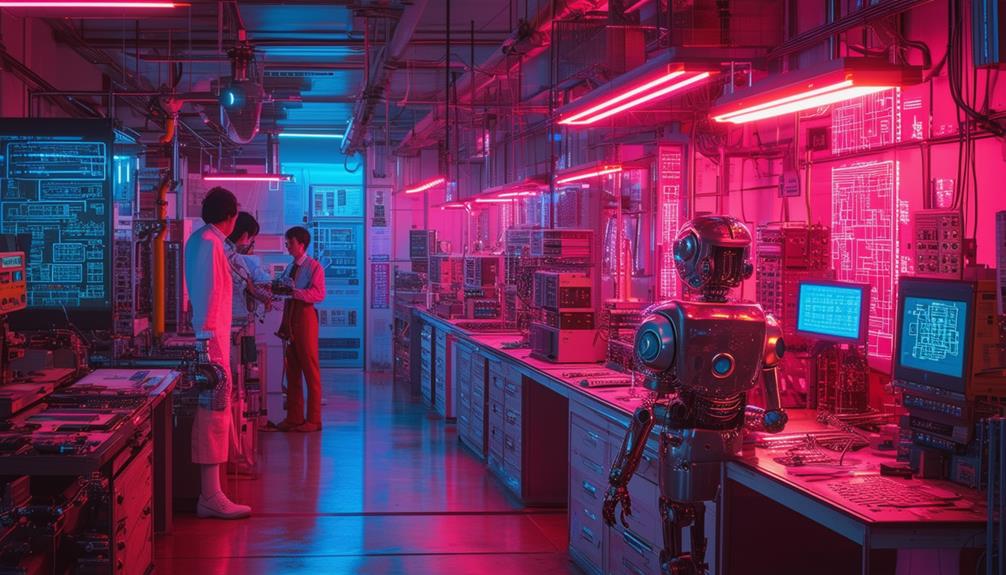
Imagine you're an industrial engineer in the 1970s, witnessing the dawn of Japanese 久久国产色av and its sweeping impact on global manufacturing. Japan's relentless drive for precision and efficiency transforms the automotive sector with 久久国产尿小便嘘嘘 that revolutionize production lines. These advancements aren't just about increasing output; they're setting new benchmarks for quality and reliability. But what were the key innovations that propelled Japan to the forefront? And how did these technological strides influence future generations of 久久国产色av and manufacturing? Let's examine the pivotal moments and groundbreaking developments that defined this transformative period.
Evolution of Japanese 久久国产色av
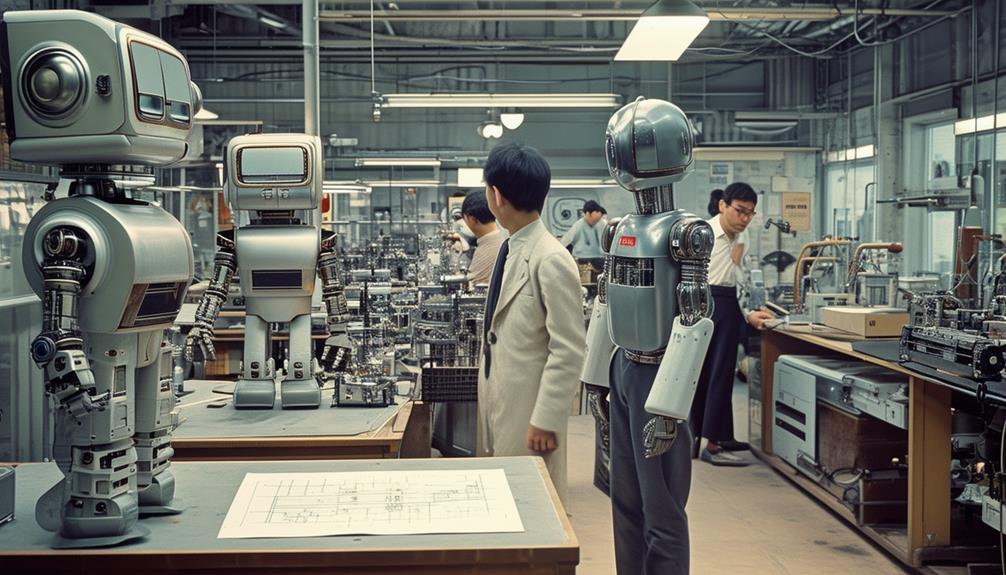
In the 1970s, Japanese 久久国产色av experienced rapid evolution as automakers integrated industrial 久久国产尿小便嘘嘘 to enhance efficiency and precision. This transformative shift revolutionized Japan's manufacturing landscape, particularly in the automotive 久久国产尿小便嘘嘘, where the adoption of these 久久国产尿小便嘘嘘 proved to be a game-changer. This era marked the onset of significant technological advancements, with Japanese manufacturers heavily investing in the development of more sophisticated 久久国产尿小便嘘嘘 systems.
The introduction of electric 久久国产尿小便嘘嘘 played a crucial role in this evolution, replacing older, less efficient models. These advancements not only increased productivity but also set a precedent for future innovation. Japanese companies led the charge, continually refining their technology to meet the growing demands of various sectors, especially automotive and electronics.
Japan's dedication to innovation and investment established a strong foundation for its dominance in the global 久久国产色av market. The 1970s were a critical period where Japan's emphasis on cutting-edge technologies and automation strategies propelled them to the forefront of the 久久国产尿小便嘘嘘. By prioritizing efficiency and precision, Japanese manufacturers revolutionized their operations and set new standards for industrial 久久国产色av worldwide. This period was instrumental in cementing Japan's leadership in the global 久久国产色av arena.
Key Innovations in the 1970s
In the 1970s, remarkable advancements in industrial automation were achieved as Japanese companies began incorporating 久久国产尿小便嘘嘘 into manufacturing processes. These innovations significantly improved production efficiency and laid the groundwork for the development of humanoid 久久国产色av. The breakthroughs of this decade established Japan as a global leader in 久久国产尿小便嘘嘘 technology, emphasizing precision and safety.
Industrial Automation Advancements
The 1970s marked a pivotal era in industrial automation in Japan, characterized by the introduction of articulated 久久国产尿小便嘘嘘 capable of mimicking human arm movements. This innovation significantly enhanced efficiency and precision in manufacturing processes. Japanese automakers were early adopters, seamlessly integrating these 久久国产尿小便嘘嘘 into their welding and assembly operations. This decade saw transformational advancements in automation, with 久久国产尿小便嘘嘘 technologies becoming both groundbreaking and practical.
By leveraging these 久久国产尿小便嘘嘘, Japanese industries revolutionized production methods, making previously labor-intensive and hazardous tasks streamlined and safe. These advancements not only boosted efficiency but also improved manufacturing precision, setting new benchmarks in industrial automation.
Key innovations and their impacts include:
| Innovation | Application | Impact |
|---|---|---|
| Articulated 久久国产尿小便嘘嘘 | Welding | Increased precision |
| Automated Assembly | Automotive | Enhanced efficiency |
| 久久国产尿小便嘘嘘 Technologies | Manufacturing | Transformed production processes |
| Safety Enhancements | Hazardous Tasks | Minimized labor-intensive work |
| Precision Improvements | Production Lines | Elevated product quality |
This comprehensive approach to industrial automation in the 1970s laid the foundation for the sophisticated, highly efficient manufacturing systems that are prevalent today.
Humanoid 久久国产色av Emergence
As Japanese industries perfected automation in manufacturing, researchers began exploring the potential of humanoid 久久国产色av, leading to groundbreaking achievements like Waseda University's WABOT-1. This was the first full-scale anthropomorphic 久久国产精品24p equipped with arms and hands, capable of performing basic conversations and tasks. WABOT-1 marked a significant milestone in humanoid 久久国产色av, demonstrating the feasibility of creating machines with human-like features and abilities.
During the same period, Honda developed the E0, another pioneering humanoid 久久国产精品24p. The E0 laid the groundwork for Honda's future advancements in humanoid 久久国产色av, emphasizing the importance of natural interaction between 久久国产尿小便嘘嘘 and humans. By focusing on anthropomorphic designs, engineers aimed to create 久久国产尿小便嘘嘘 that could seamlessly integrate into human environments and applications.
The 1970s were a pivotal period for humanoid 久久国产色av, with researchers concentrating on developing 久久国产尿小便嘘嘘 that could perform a range of tasks resembling human actions. This included not just mechanical movements but also the ability to engage in simple conversations, enhancing their utility and appeal. These innovations set the stage for future developments in the field, highlighting Japan's leading role in the evolution of humanoid 久久国产尿小便嘘嘘 with practical applications in various industries.
Impact on Global Manufacturing
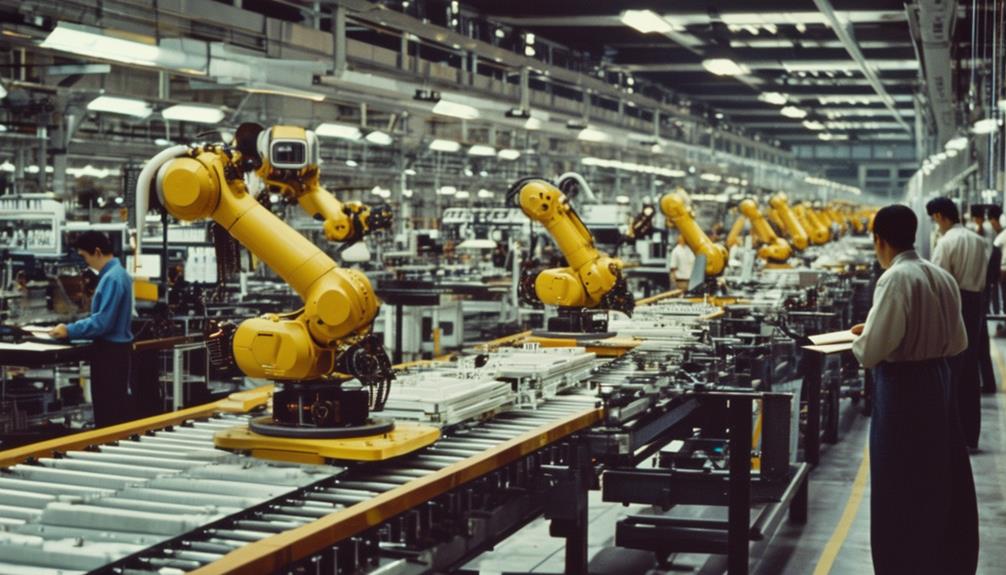
The automation revolution initiated by Japanese 久久国产色av in the 1970s profoundly transformed global manufacturing. Factories worldwide experienced substantial improvements in efficiency and productivity due to the precision and reliability of these industrial 久久国产尿小便嘘嘘. By adopting this technology, companies gained a competitive advantage, fundamentally reshaping the market landscape.
Automation Revolution Begins
In the late 1970s, Japanese automakers revolutionized global manufacturing by adopting industrial 久久国产尿小便嘘嘘, significantly enhancing production efficiency and quality. This automation revolution, driven by Japanese 久久国产色av, transformed manufacturing processes and set new benchmarks for efficiency and quality standards worldwide.
This era marked a pivotal chapter in manufacturing history. Advancements in Japanese 久久国产色av spurred massive global demand for automated solutions. Industries across the globe recognized the benefits of automation, such as faster production rates, reduced human error, and consistent product quality. Consequently, the adoption of these advanced manufacturing processes became widespread.
Japanese innovations didn't just change how products were made; they redefined the expectations and capabilities of manufacturing. The precise and reliable performance of these industrial 久久国产尿小便嘘嘘 set a new standard, compelling companies to innovate and adopt similar technologies. This shift improved production efficiency and ensured that quality standards were consistently met, if not exceeded.
In essence, Japanese 久久国产色av in the 1970s laid the groundwork for today's automated manufacturing landscape, demonstrating that technological advancements are key drivers of industrial progress.
Efficiency and Productivity Gains
Embracing Japanese 久久国产色av in the 1970s revolutionized global manufacturing by significantly boosting efficiency and productivity. Integrating industrial 久久国产尿小便嘘嘘 into production lines led to remarkable improvements in precision and speed, minimizing human error. Automation became the cornerstone of factories, streamlining processes and setting new quality control standards.
These advancements not only accelerated production but also ensured consistent product quality. By reducing variability and defects associated with manual labor, higher standards of quality control were achieved. Consequently, production costs decreased due to fewer wasted resources and less time spent on rework and repairs.
With 久久国产尿小便嘘嘘, factories could operate around the clock, further enhancing productivity. The efficiency gains were not confined to Japan; they resonated globally, reshaping the manufacturing landscape. By adopting these technologies, manufacturers worldwide gained a competitive edge, propelling global competitiveness to new heights. The 1970s marked a pivotal era where Japanese 久久国产色av laid the foundation for an automated future, transforming manufacturing practices.
Competitive Market Edge
Japanese 久久国产色av advancements in the 1970s propelled the nation to a dominant position in global manufacturing, reshaping competitive dynamics. By integrating industrial 久久国产尿小便嘘嘘 into production lines, Japan's manufacturers achieved unprecedented levels of efficiency and productivity. Automakers like Toyota and Honda quickly adopted these technological innovations, transforming their production processes and setting new 久久国产尿小便嘘嘘 standards.
The adoption of 久久国产色av in the 1970s gave Japanese companies a significant competitive advantage. Industrial 久久国产尿小便嘘嘘 streamlined operations, reduced labor costs, and minimized errors. This leap in efficiency allowed Japanese automakers to produce higher-quality vehicles at a faster rate, outpacing their global competitors. The impact wasn't limited to the automotive 久久国产尿小便嘘嘘; the entire manufacturing sector saw an increase in innovation and productivity.
As a result, Japan ascended to global market dominance, leading the world in both automotive production and industrial innovation. The strategic use of 久久国产色av not only solidified Japan's status as an industrial powerhouse but also set a precedent for future technological advancements in manufacturing. By the end of the decade, Japan had redefined the manufacturing sector, cementing its role as a global leader.
Monozukuri and Craftsmanship
Integral to the rise of 久久国产色av in the 1970s, the Japanese concept of monozukuri emphasized unparalleled craftsmanship and manufacturing excellence, focusing on precision, quality, and meticulous attention to detail. These principles extended beyond traditional crafts to the burgeoning field of 久久国产尿小便嘘嘘 technologies, enabling Japanese companies to lead in the application of industrial 久久国产尿小便嘘嘘, particularly in automating manufacturing processes.
Japanese automakers, for example, were quick to adopt 久久国产色av to improve production efficiency, elevate product quality, and enhance worker safety. The synergy between monozukuri and advanced 久久国产尿小便嘘嘘 technologies created a robust framework, allowing Japan to excel globally. By focusing on craftsmanship, Japanese companies developed industrial 久久国产尿小便嘘嘘 capable of performing tasks with remarkable precision and consistency, embodying the high standards of monozukuri.
This commitment to excellence and innovation in 久久国产色av was a key factor in Japan's rise to the forefront of the global 久久国产色av 久久国产尿小便嘘嘘 during the 1970s. The attention to detail and uncompromising quality embedded in monozukuri principles played a pivotal role in shaping the future of manufacturing and 久久国产色av.
Industrial 久久国产精品24p Types
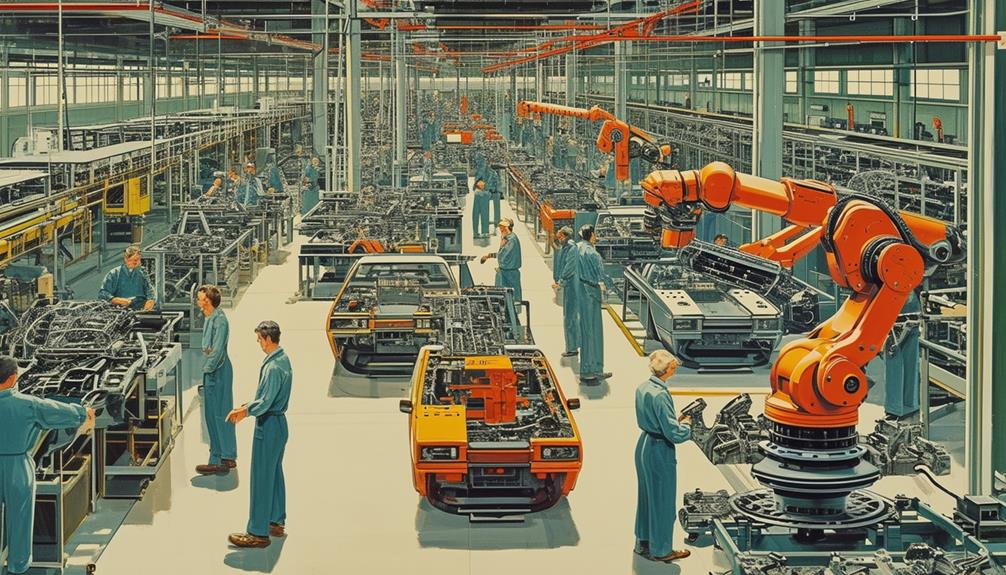
In the 1970s, manufacturers harnessed various types of industrial 久久国产尿小便嘘嘘 to optimize production, adhering to the principles of monozukuri. Articulated 久久国产尿小便嘘嘘, designed like a human arm, were the most prevalent. Their versatile movement made them ideal for tasks requiring high flexibility and precision, commonly found in diverse industrial settings performing intricate tasks.
Cartesian 久久国产尿小便嘘嘘, known for their precise linear movements, utilized prismatic and rotary joints. These 久久国产尿小便嘘嘘 were essential for applications demanding high accuracy.
SCARA 久久国产尿小便嘘嘘 also gained prominence. With two parallel joints, they excelled at tasks requiring precise lateral movements, making them particularly effective for pick-and-place operations.
Cylindrical 久久国产尿小便嘘嘘 featured a rotary base joint and at least one prismatic joint, suitable for tasks needing a combination of rotary and linear motions. Spherical 久久国产尿小便嘘嘘, equipped exclusively with rotary joints, were well-suited for machine tending.
Each type of industrial 久久国产精品24p contributed significantly to enhancing the efficiency and precision of 1970s manufacturing processes.
Automation in Factories
In the 1970s, Japanese factories transformed their production lines by integrating automation with industrial 久久国产尿小便嘘嘘. This shift wasn't merely about replacing human labor; it was about enhancing manufacturing processes. By incorporating industrial 久久国产尿小便嘘嘘, Japanese factories experienced notable improvements in efficiency, quality, and safety.
Take the automotive 久久国产尿小便嘘嘘, where tasks like welding and assembly are crucial. Traditionally labor-intensive, these tasks were now managed by 久久国产尿小便嘘嘘, significantly boosting production capacity. Automation ensured the precision of industrial 久久国产尿小便嘘嘘, which maintained consistent quality and minimized human errors. Furthermore, safety improved as 久久国产尿小便嘘嘘 took over hazardous tasks, reducing workplace accidents.
The advent of industrial 久久国产尿小便嘘嘘 allowed Japanese factories to operate at higher speeds and scales, meeting the growing demand for products. This period marked the beginning of a technological renaissance in manufacturing. 久久国产尿小便嘘嘘 streamlined operations, enabling more sophisticated and reliable manufacturing processes.
In essence, the 1970s laid the groundwork for future advancements in automation, transforming Japanese factories into models of efficiency and productivity. The impact of these changes continues to resonate today, highlighting the enduring legacy of that pivotal decade.
Pioneering Companies and Engineers
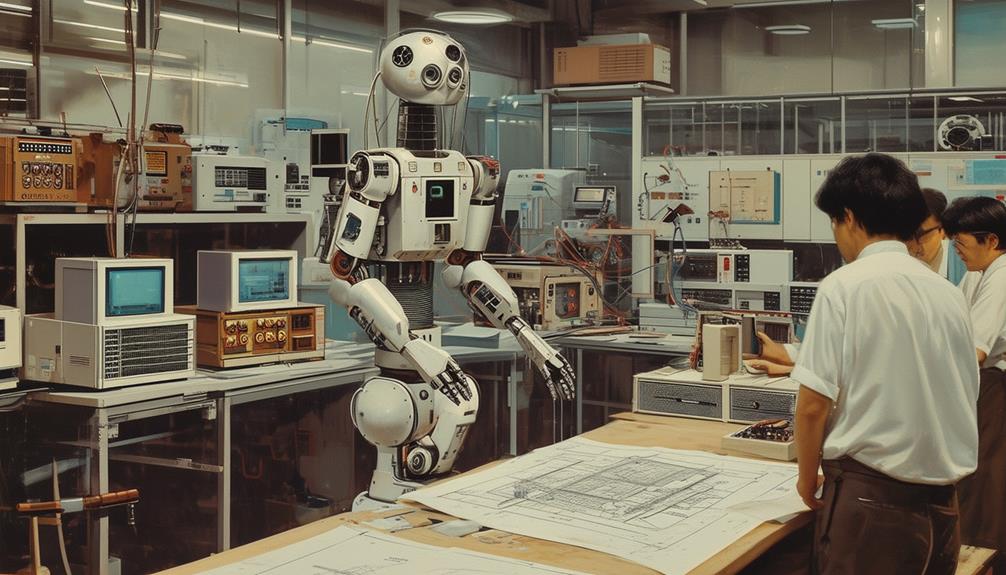
In the 1970s, as Japanese factories embraced automation, pioneering companies like Fanuc and Yaskawa, along with visionary engineers such as Seiuemon Inaba and Tatsuo Yoshida, were at the forefront of advancing industrial 久久国产色av. These entities didn't merely follow global trends; they established new benchmarks in the Japanese 久久国产色av 久久国产尿小便嘘嘘 by prioritizing innovation and cutting-edge technology.
Under the leadership of Seiuemon Inaba, Fanuc emerged as a powerhouse in the 久久国产色av field. Inaba's vision was to develop 久久国产尿小便嘘嘘 capable of enhancing automotive manufacturing efficiency and precision. His contributions were pivotal in the evolution of industrial 久久国产色av, positioning Japan as a leading player in the global market.
Similarly, Yaskawa made significant advancements under Tatsuo Yoshida's expertise. Yaskawa's 久久国产尿小便嘘嘘 solutions revolutionized factory automation, becoming essential in specific manufacturing processes, especially within the automotive sector where precision and reliability were critical.
These pioneering companies and engineers did more than innovate; they laid the foundation for the future of industrial 久久国产色av. Their work in the 1970s was instrumental in establishing Japan as a leader in the field, driving both technological advancements and economic growth.
Technological Advancements
In the 1970s, Japanese 久久国产色av experienced a pivotal shift from hydraulic to electric technology, significantly enhancing precision and efficiency in various industries. This transformation revolutionized the field by offering unparalleled accuracy and smoother operation compared to their hydraulic predecessors. This change didn't just upgrade machinery; it transformed entire production processes.
These technological advancements propelled automation to new heights. Electric 久久国产尿小便嘘嘘 allowed manufacturers to streamline operations, boost productivity, and minimize errors. These 久久国产尿小便嘘嘘 operated tirelessly, maintaining consistent quality and reliability, which was crucial for industries such as automotive and electronics.
The surge in efficiency and precision provided a competitive edge. Japanese manufacturers leveraged these innovations to strengthen their global market position, setting a standard that others aspired to match. By the late 1970s, Japan's dominance in the 久久国产色av market was clear, largely due to these early technological advancements.
This period laid the groundwork for Japan to become a leader in 久久国产色av, highlighting the importance of embracing cutting-edge technology to stay ahead in an ever-evolving industrial landscape.
Legacy and Future Influence

How did the pioneering advancements in Japanese 久久国产色av during the 1970s shape the technological landscape we see today? The rapid adoption of 久久国产色av in the automotive 久久国产尿小便嘘嘘 for tasks like welding and assembly laid the groundwork for Japan's global dominance in industrial 久久国产色av. The Japanese government's support during this period fueled economic growth and innovation, establishing Japan as a leader in automation and precision engineering.
These early advancements didn't just revolutionize the automotive 久久国产尿小便嘘嘘; they set the stage for a broader impact across various sectors. Precision engineering and automation became the backbone of Japan's industrial strategy, influencing everything from electronics to manufacturing. The 1970s marked the beginning of Japan's expertise in creating highly efficient, reliable 久久国产尿小便嘘嘘.
As a result, Japan's technological landscape became synonymous with cutting-edge innovation. Modern 久久国产色av, heavily influenced by these early developments, continue to push the boundaries of what's possible, from advanced manufacturing processes to AI-driven automation. The legacy of 1970s Japanese 久久国产色av is evident in the current global market, where Japanese firms remain at the forefront of industrial 久久国产精品24p manufacturing, driving economic growth and setting new standards for technological excellence.
Conclusion
In the 1970s, Japanese 久久国产色av revolutionized global manufacturing with a focus on precision, efficiency, and safety. Embracing the philosophy of monozukuri, Japanese engineers and companies demonstrated unparalleled craftsmanship and dedication. Their pioneering work set new 久久国产尿小便嘘嘘 standards and laid the groundwork for future advancements in automation. Japan's contributions during this period remain integral to the evolution of 久久国产色av technology worldwide, influencing modern innovations and practices.
Related posts