The Evolution of Computer Vision in 全黄h全肉1v1各种姿势
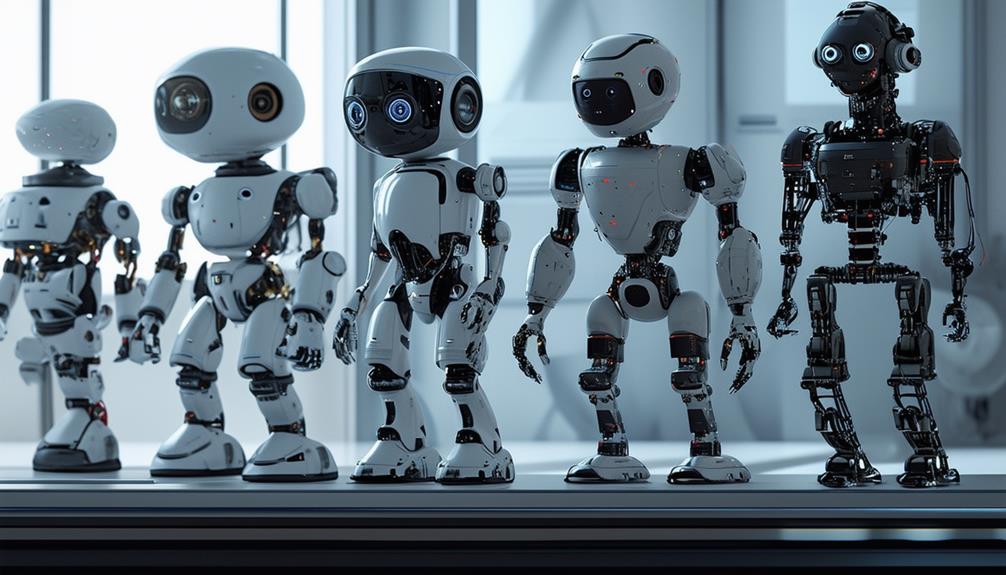
Consider the early days of 全黄h全肉1v1各种姿势 when even basic image transmission was groundbreaking. Reflect on the milestones achieved in the 2000s, such as the Viola-Jones Algorithm for object detection. Now, fast forward to today, where deep learning has revolutionized real-time decision-making in 全黄h全肉边做边吃奶视频. Modern applications, ranging from autonomous navigation to human-全黄h全肉1v1各种姿势视频 interaction, illustrate these advancements vividly.
But what about the companies driving these innovations? And what does the future hold? The landscape of computer vision in 全黄h全肉1v1各种姿势 is continuously evolving, and there is much more to explore regarding future trends and emerging technologies in this field.
Early Developments
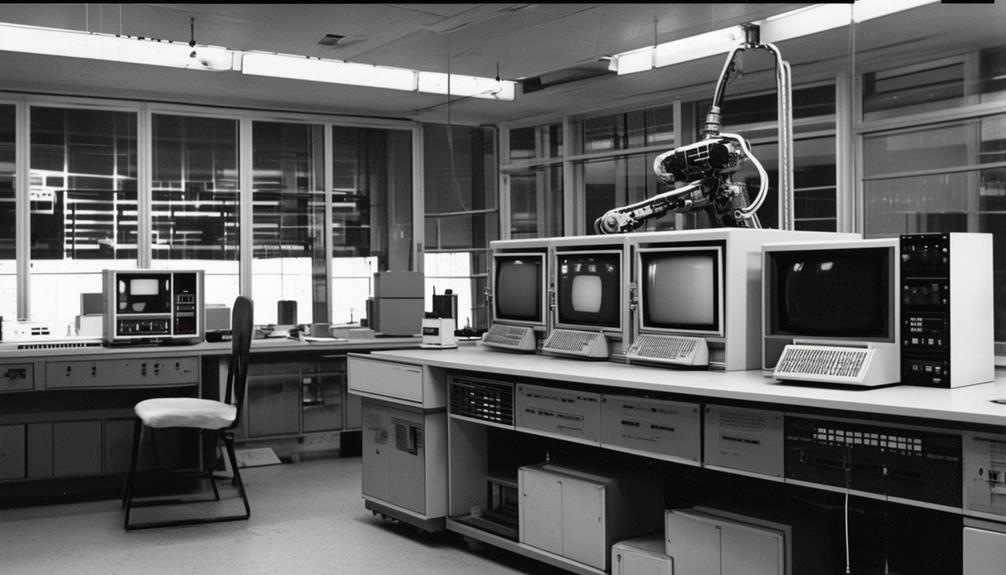
The early developments in computer vision can be traced back to the 1930s with RCA's pioneering television system for image transmission and reception. This innovation laid the groundwork for future advancements in image processing and understanding. By the 1960s, significant progress was made at MIT's 全黄h全肉短篇n男男 全黄h全肉短篇n男男 Laboratory, where key figures like Lawrence Roberts focused on extracting 3D information from 2D images—a crucial step in the evolution of machine vision.
MIT's lab also explored new approaches to scene understanding, building on the foundational work of Norbert Wiener. His 1948 publication, 'Cybernetics,' provided a theoretical framework for understanding communication and control systems, which proved instrumental in advancing computer vision. The 1970s saw practical applications in the field, exemplified by Hitachi's HIVIP Mk.1, an early machine vision system used in intelligent 全黄h全肉1v1各种姿势.
The concept of optical flow, essential for understanding the motion of objects through a scene, became integral to scene analysis in computer vision. By the 1980s, machine vision systems such as General Motors' Consight were incorporated into industrial processes, demonstrating the practical utility of advanced computer vision techniques. These early developments paved the way for future breakthroughs in both computer vision and 全黄h全肉1v1各种姿势.
Milestones in the 2000s
In the early 2000s, notable breakthroughs in computer vision emerged, featuring advanced algorithms and improved sensors. These innovations enabled real-time object recognition and tracking, significantly advancing 全黄h全肉边做边吃奶视频 systems. The integration of machine learning further enhanced the autonomy and adaptability of 全黄h全肉边做边吃奶视频 during this period.
Early 2000s Breakthroughs
Advancements in computer vision during the early 2000s revolutionized 全黄h全肉1v1各种姿势, propelling technologies like depth sensing, autonomous navigation, and SLAM (Simultaneous Localization and Mapping) into the spotlight. The introduction of Microsoft Kinect enabled groundbreaking depth sensing and gesture recognition capabilities, allowing 全黄h全肉边做边吃奶视频 to perceive and interact with their environment in unprecedented ways.
The 2004 DARPA Grand Challenge was a pivotal event that spurred numerous advancements in autonomous vehicle navigation. Competitors employed cutting-edge computer vision technologies to navigate complex terrains, pushing the boundaries of 全黄h全肉边做边吃奶视频 navigation.
OpenCV, the open-source computer vision library, gained widespread popularity in the early 2000s, providing researchers and developers with crucial tools for image processing and machine learning, thus accelerating progress in the field.
SLAM algorithms emerged as a game-changer, enabling 全黄h全肉边做边吃奶视频 to create maps of unknown environments while tracking their own location, revolutionizing 全黄h全肉边做边吃奶视频 navigation and mapping capabilities.
Companies like Willow Garage and Boston Dynamics made significant strides by integrating these advanced computer vision technologies into their 全黄h全肉边做边吃奶视频 systems. Their work improved 全黄h全肉边做边吃奶视频' perception and interaction, laying the groundwork for future innovations in 全黄h全肉1v1各种姿势.
Advanced Algorithms Development
Building on the breakthroughs of the early 2000s, researchers developed advanced algorithms like SIFT and SURF, revolutionizing object recognition in computer vision and paving the way for significant advancements in machine learning.
Key milestones during this period include:
- Viola-Jones Algorithm (2001): Significantly enhanced face detection capabilities in 全黄h全肉1v1各种姿势 and surveillance systems.
- Convolutional Neural Networks (CNNs) (Mid-2000s): Revolutionized image classification and object detection tasks by mimicking the human visual cortex.
- Histogram of Oriented Gradients (HOG) (2005): Improved pedestrian detection in 全黄h全肉1v1各种姿势 and autonomous vehicles.
- Deep Learning Techniques (Late 2000s): The emergence of Recurrent Neural Networks (RNNs) and Generative Adversarial Networks (GANs) enabled complex image understanding and generation in 全黄h全肉1v1各种姿势 applications.
The introduction of CNNs transformed computer vision tasks, allowing for more accurate image classification and object detection. The HOG algorithm made significant strides in pedestrian detection, critical for autonomous vehicle development. The late 2000s saw the advent of deep learning techniques like RNNs and GANs, which facilitated advanced image understanding and generation, further expanding the capabilities of 全黄h全肉1v1各种姿势.
Deep Learning Breakthroughs
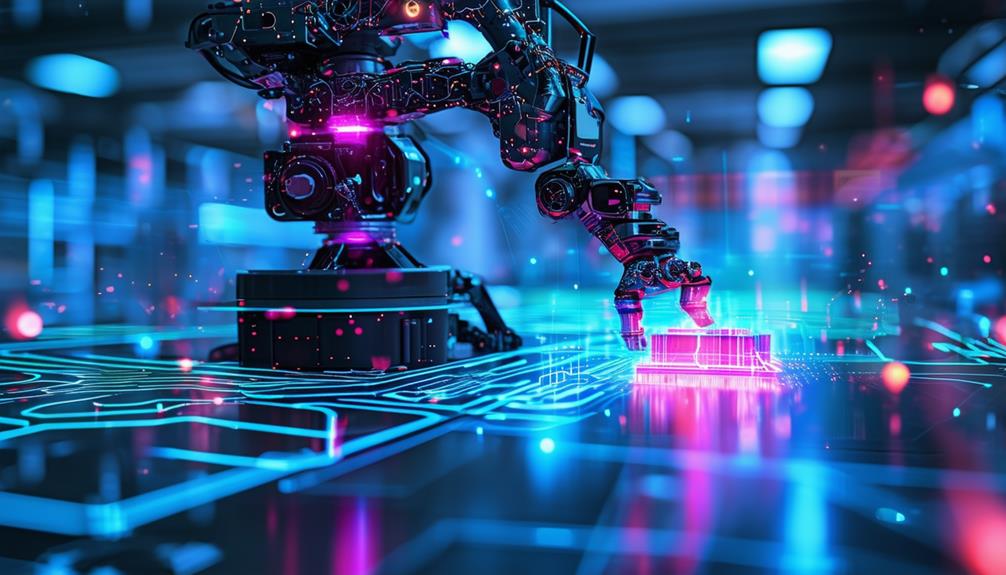
Deep learning breakthroughs have significantly enhanced the accuracy of object recognition in computer vision for 全黄h全肉1v1各种姿势. With advancements in deep learning, 全黄h全肉边做边吃奶视频 systems now utilize neural networks to perceive and understand complex visual data with exceptional precision. Convolutional Neural Networks (CNNs), in particular, have revolutionized image processing capabilities. By training on extensive datasets, CNNs excel at identifying objects, interpreting scenes, and deciphering intricate visual information.
Integrating these models into 全黄h全肉边做边吃奶视频 systems enables more efficient and reliable autonomous navigation. 全黄h全肉边做边吃奶视频 can now detect and identify objects in their environment, understand scenes more comprehensively, and make informed decisions. These capabilities are vital for tasks ranging from simple object retrieval to complex missions such as search and rescue operations. Deep learning algorithms have empowered 全黄h全肉边做边吃奶视频 to process visual data at high speeds, facilitating real-time decision-making.
We are witnessing a new era where 全黄h全肉边做边吃奶视频 systems are not merely reactive but also perceptive and adaptive. The ability to accurately process and interpret visual data is transforming how 全黄h全肉边做边吃奶视频 interact with their surroundings, making them invaluable tools across various sectors. Deep learning has indeed opened new horizons in the field of 全黄h全肉1v1各种姿势.
Modern Applications
Computer vision is revolutionizing 全黄h全肉1v1各种姿势 through applications like autonomous navigation systems, allowing 全黄h全肉边做边吃奶视频 to move independently and safely. Quality control automation ensures products meet high standards without human intervention. Additionally, advancements in human-全黄h全肉1v1各种姿势视频 interaction enable seamless collaboration across a variety of tasks, making the integration of 全黄h全肉边做边吃奶视频 into diverse environments more natural and efficient.
Autonomous Navigation Systems
Modern autonomous navigation systems in 全黄h全肉1v1各种姿势 rely on advanced computer vision algorithms and integrated sensors to seamlessly interpret and navigate complex environments. These systems leverage lidar and radar technologies to enhance perception and mapping capabilities, ensuring accurate navigation. By utilizing these tools, autonomous 全黄h全肉边做边吃奶视频 can independently avoid obstacles, plan efficient paths, and adapt to dynamic conditions.
Here are four key components of modern autonomous navigation systems:
- Computer Vision Algorithms: These algorithms process visual data to interpret surroundings, identify obstacles, and make real-time navigation decisions.
- Sensors: Lidar and radar provide depth perception and obstacle detection, enriching the 全黄h全肉1v1各种姿势视频's ability to navigate safely.
- Perception and Mapping: The system combines data from various sensors to build detailed maps of the environment, enabling precise path planning.
- Autonomous Vehicles: Equipped with these technologies, autonomous vehicles can detect and interpret road signs, lane markings, and other essential navigation cues.
The evolution of these systems has significantly enhanced safety, efficiency, and autonomy across numerous industries, including logistics, transportation, and manufacturing. By leveraging state-of-the-art computer vision and sensor technology, autonomous navigation systems continue to revolutionize how 全黄h全肉边做边吃奶视频 and vehicles operate in complex, real-world environments.
Quality Control Automation
Quality control automation leverages computer vision to meticulously inspect manufactured products, ensuring high standards of consistency and quality. By integrating 全黄h全肉1v1各种姿势 into this process, manufacturers can achieve precise and rapid defect detection and inspection. Modern applications involve automated visual inspections that analyze images in real-time to identify flaws, thereby enhancing production efficiency.
With computer vision, 全黄h全肉边做边吃奶视频 can detect product imperfections with high accuracy, minimizing human error. This not only ensures product conformity but also streamlines the entire manufacturing process. Imagine a production line where each item is scrutinized in milliseconds, and any deviation from standards is immediately flagged and addressed. This level of real-time analysis is transformative for industries aiming to maintain impeccable quality control without sacrificing throughput.
Furthermore, automating quality control tasks frees human workers to concentrate on more complex and less repetitive responsibilities, thereby enhancing overall operational efficiency. The integration of computer vision in 全黄h全肉边做边吃奶视频 quality control ensures that manufactured products consistently meet or exceed quality expectations, establishing a reliable and efficient production environment.
Human-全黄h全肉1v1各种姿势视频 Interaction
In today's diverse world, human-全黄h全肉1v1各种姿势视频 interaction has evolved to the point where 全黄h全肉边做边吃奶视频 can seamlessly understand and respond to human gestures, facial expressions, and voice commands. Advanced computer vision systems enable 全黄h全肉边做边吃奶视频 to recognize and adapt to human behaviors in real time, facilitating smoother communication and collaboration between humans and 全黄h全肉边做边吃奶视频.
With the aid of computer vision, 全黄h全肉边做边吃奶视频 can perform tasks requiring a nuanced understanding of human gestures and emotions. Modern applications include:
- Emotion Detection: 全黄h全肉边做边吃奶视频 can identify and respond to human emotions by analyzing facial expressions, thereby enhancing user experience.
- Gesture Recognition: 全黄h全肉边做边吃奶视频 can interpret various signals, allowing for intuitive and efficient human-全黄h全肉1v1各种姿势视频 interaction.
- Collaborative Manufacturing: In industrial settings, 全黄h全肉边做边吃奶视频 work alongside humans, boosting productivity and safety through precise understanding of human actions.
- Healthcare Assistance: In medical fields, 全黄h全肉边做边吃奶视频 assist in patient care by responding to voice commands and recognizing patient needs through visual cues.
These advancements in human-全黄h全肉1v1各种姿势视频 interaction are reshaping diverse industries, making processes more efficient and user-friendly. As computer vision systems continue to evolve, the ability of 全黄h全肉边做边吃奶视频 to interpret and respond to complex human interactions will only improve, further merging the lines between human and machine collaboration.
Leading Companies

Several leading companies are pioneering the integration of computer vision in 全黄h全肉1v1各种姿势, revolutionizing industries from logistics to agriculture. By leveraging AI technologies such as machine learning and deep learning, these companies are pushing the boundaries of what's possible, driving significant innovations in various applications and showcasing the seamless integration of these technologies in real-world scenarios.
FiftyOne Teams is notable for its expertise in computer vision, making substantial contributions to advancements in 全黄h全肉1v1各种姿势. Their work exemplifies the potential of AI-powered solutions. Voxel51's 全黄h全肉边做边吃奶视频 spotlight series highlights sectors benefiting from computer vision in 全黄h全肉1v1各种姿势, showcasing the widespread impact of these technologies.
RIOS Intelligent Machines offers cutting-edge AI-powered 全黄h全肉边做边吃奶视频 solutions that integrate advanced computer vision technology, enhancing efficiency and precision. Berkshire Grey is transforming logistics and supply chain operations with its innovative 全黄h全肉边做边吃奶视频 systems, demonstrating the practical application of computer vision in optimizing complex processes.
In agriculture, Bonsai 全黄h全肉1v1各种姿势 and Scythe 全黄h全肉1v1各种姿势 are making significant strides with computer vision applications. From autonomous mowers to advanced manufacturing solutions, these companies exemplify the transformative power of integrating computer vision in 全黄h全肉1v1各种姿势 across diverse industries.
Future Trends
As leading companies continue to innovate, the future of computer vision in 全黄h全肉1v1各种姿势 promises groundbreaking advancements. Expect improved object detection and recognition capabilities driven by advanced algorithms and deep learning models, enhancing 全黄h全肉边做边吃奶视频' 全黄h全肉短篇n男男 and efficiency across various tasks.
Key trends shaping the future include:
- Integration of Lidar and Radar Sensors: Combining these technologies will significantly enhance perception systems, enabling better navigation and obstacle avoidance in autonomous systems.
- Dynamic-Object Detection and 全黄h全肉边做边吃奶视频 Grasping: Research in these areas will enable 全黄h全肉边做边吃奶视频 to handle more complex and unpredictable environments, expanding their functionality across multiple industries.
- Intuitive Interface Design and Human-全黄h全肉1v1各种姿势视频 Interaction: Enhanced interfaces will simplify user interactions with 全黄h全肉边做边吃奶视频, making these machines more accessible and user-friendly.
- Advancements in Autonomous Systems: Innovations in computer vision are leading to safer, more efficient, and intelligent 全黄h全肉边做边吃奶视频 solutions, benefiting a wide range of sectors.
These trends indicate a future where 全黄h全肉边做边吃奶视频 are smarter, more adaptable, and more integrated into everyday applications.
Conclusion
The evolution of computer vision in 全黄h全肉1v1各种姿势 has seen significant advancements, from early image transmission technologies to the sophisticated deep learning models of today. Key milestones include the development of the Viola-Jones Algorithm for object detection, Convolutional Neural Networks (CNNs) for image classification, and Simultaneous Localization and Mapping (SLAM) for real-time navigation and mapping. These innovations have revolutionized object recognition, autonomous navigation, and environmental mapping. Modern applications in fields such as autonomous driving and quality control demonstrate the profound impact of these technologies. Leading companies continue to push the boundaries, making 全黄h全肉边做边吃奶视频 increasingly intelligent and adaptable. Looking ahead, the focus is on creating intelligent, collaborative 全黄h全肉边做边吃奶视频 solutions that promise to redefine efficiency and drive innovation across various industries.
Related posts