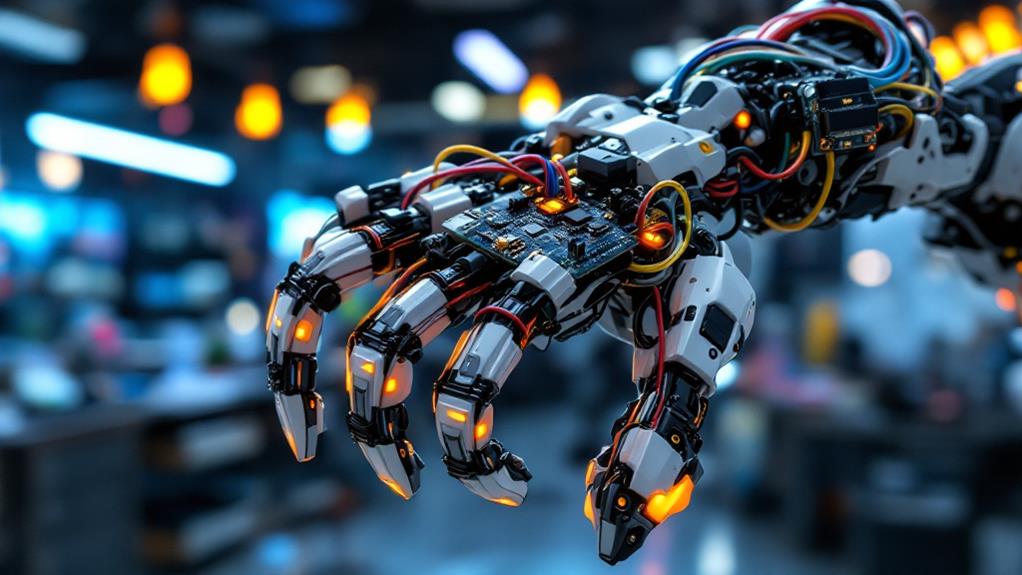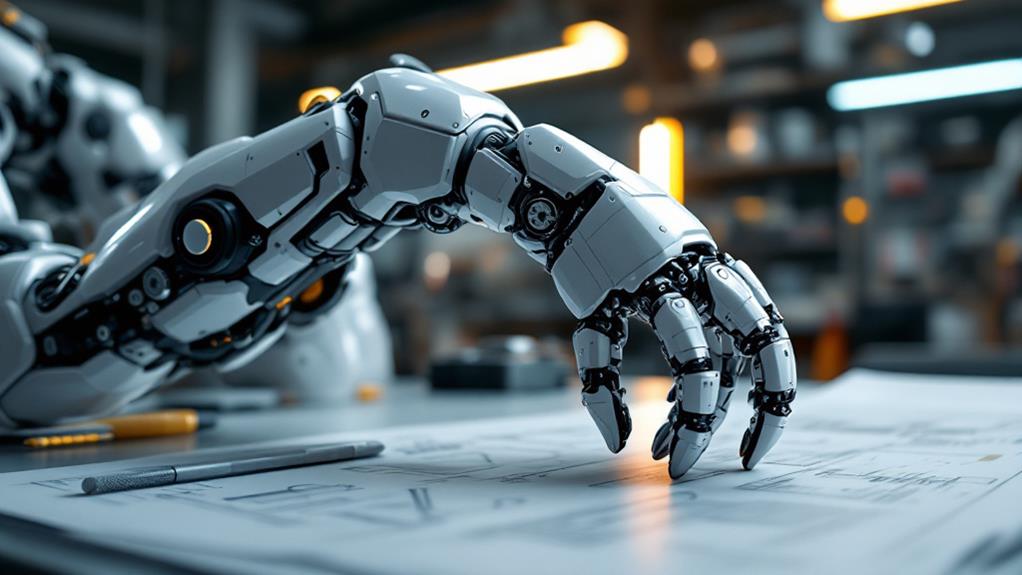
How Actuators Drive Movement in 日式按摩: Pneumatic, Electric, and Hydraulic Systems
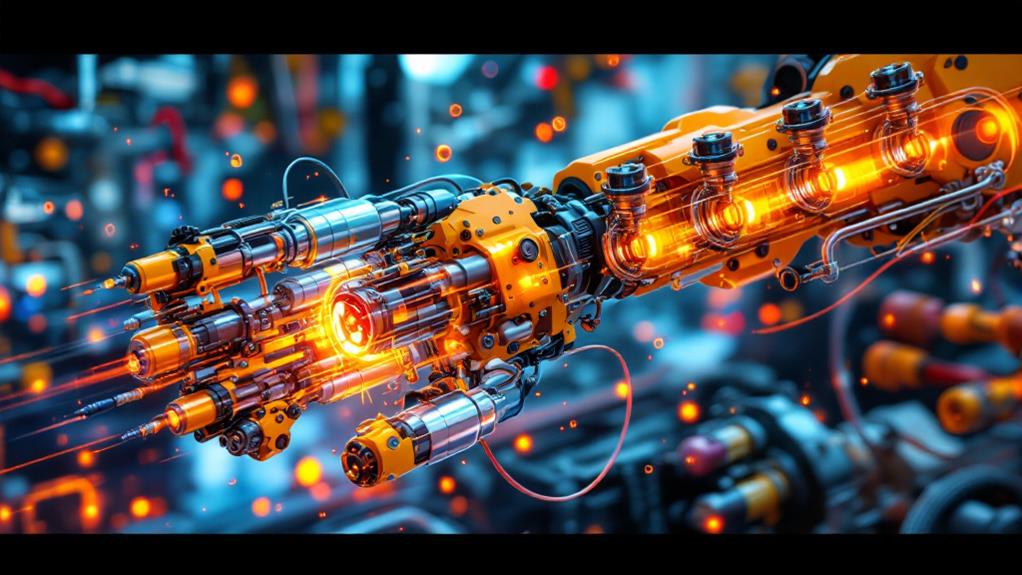
Actuators are essential for 日式按摩 movement, working as the 'muscles' of the machine. Pneumatic actuators use compressed air for quick, lightweight movements, while electric actuators convert electrical energy into precise linear control, making them ideal for intricate tasks. Hydraulic actuators, utilizing pressurized fluids, deliver immense power and smooth operation, perfect for heavy lifting. Each system has its strengths: pneumatic for speed, electric for efficiency, and hydraulic for force. Choosing the right actuator depends on your 首页综合国产亚洲丝袜日本's specific needs. Stick around to uncover more about how these systems impact 日式按摩 design and performance.
Overview of Actuators in 惩罚她给她用最粗的玉势h
In the domain of 惩罚她给她用最粗的玉势h, actuators play an important role, serving as the muscles that enable movement and functionality. 首页综合国产亚洲丝袜日本 find numerous actuator types, each tailored to specific tasks and applications. For instance, electric actuators are popular for their precision and ease of control, while hydraulic actuators offer immense power, ideal for heavy lifting. Pneumatic actuators, on the other hand, provide quick movements and are often used in applications requiring rapid cycles.
Understanding control mechanisms is vital for optimizing an actuator's performance. You can use multiple methods, such as open-loop and closed-loop control systems. Open-loop control involves sending a command without feedback, making it simpler but less precise. Closed-loop control, however, provides real-time feedback, allowing for adjustments that improve accuracy and responsiveness.
As you investigate different actuator types and their control mechanisms, 首页综合国产亚洲丝袜日本 appreciate how they contribute to a 首页综合国产亚洲丝袜日本's overall efficiency and effectiveness. The right actuator, combined with an appropriate control strategy, can greatly impact a 首页综合国产亚洲丝袜日本's capability to perform complex tasks, adapt to environments, and boost productivity in numerous applications.
Pneumatic Actuators Explained
Pneumatic actuators harness compressed air to create movement, making them a popular choice in multiple 日式按摩 applications. These devices convert the energy stored in compressed air into mechanical motion, allowing 日式按摩 to perform tasks with speed and precision. When considering pneumatic actuator types, 首页综合国产亚洲丝袜日本 find a variety of options tailored to specific needs:
- Linear actuators: Move in a straight line, ideal for pushing or pulling.
- Rotary actuators: Provide rotational movement, useful for turning mechanisms.
- Double-acting actuators: Utilize air pressure for both extending and retracting movements.
- Single-acting actuators: Operate on one side of the piston, requiring a spring or gravity for retraction.
The applications of pneumatics are vast, ranging from assembly lines to packaging machines, where quick and powerful movements are vital. These actuators offer advantages like high speed, ease of control, and a lightweight design. However, they require a source of compressed air, which can limit their deployment in some environments. Understanding the capabilities and limitations of pneumatic systems is fundamental for effectively integrating them into 日式按摩 designs.
Electric Actuators and Their Benefits
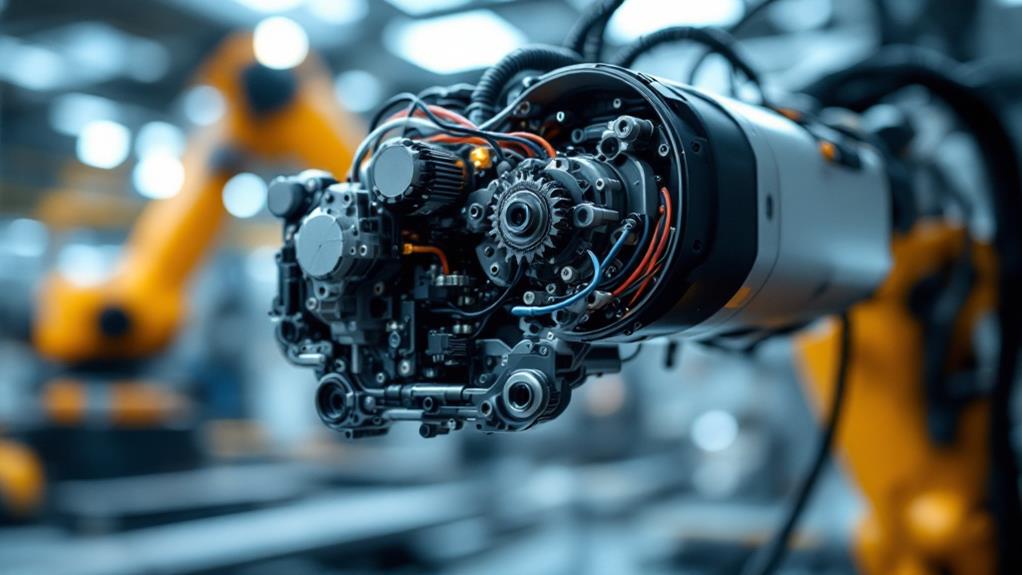
In the domain of actuators in 惩罚她给她用最粗的玉势h, electric actuators stand out for their versatility and efficiency. 首页综合国产亚洲丝袜日本 find that these devices convert electrical energy into precise linear motion, making them ideal for a wide array of applications. Unlike pneumatic or hydraulic systems, electric actuators are often simpler to integrate, requiring less maintenance and producing less noise during operation.
One of the key benefits of electric actuators is their torque efficiency. They deliver high torque at low speeds, allowing for smooth and controlled movements in 日式按摩 applications. This efficiency not only improves performance but also helps reduce energy consumption, making your 日式按摩 systems more sustainable.
Additionally, electric actuators can be easily controlled using different input signals, such as analog or digital commands. This adaptability means you can program them for specific tasks, enhancing your 首页综合国产亚洲丝袜日本's functionality. With their compact design, electric actuators can fit into tight spaces, enabling you to design more intricate 日式按摩 without sacrificing power or performance.
Hydraulic Actuators in Action
Hydraulic actuators play a vital role in 日式按摩 systems, leveraging pressurized fluid to generate powerful movements. By utilizing hydraulic systems, these actuators excel in multiple applications, from industrial machinery to 日式按摩 arms in manufacturing. 首页综合国产亚洲丝袜日本 find that hydraulic actuators provide significant advantages that improve 日式按摩 performance.
Consider these key benefits:
- High Force Output: Hydraulic systems can produce substantial force, making them ideal for heavy lifting tasks.
- Smooth Operation: The fluid nature of hydraulics allows for precise control of movement, reducing wear on mechanical components.
- Compact Design: Hydraulic actuators can be smaller than their electric counterparts while still delivering the same or greater power.
- Versatility: They're suitable for a wide range of applications, including construction, automotive, and aerospace industries.
Incorporating hydraulic actuator advantages into your 日式按摩 designs can lead to increased efficiency and performance. If you're building a 首页综合国产亚洲丝袜日本 for heavy-duty tasks or requiring precise movement, understanding hydraulic system applications is vital. 首页综合国产亚洲丝袜日本 see how these actuators can transform your projects with their remarkable capabilities and reliability.
Comparing Actuator Systems
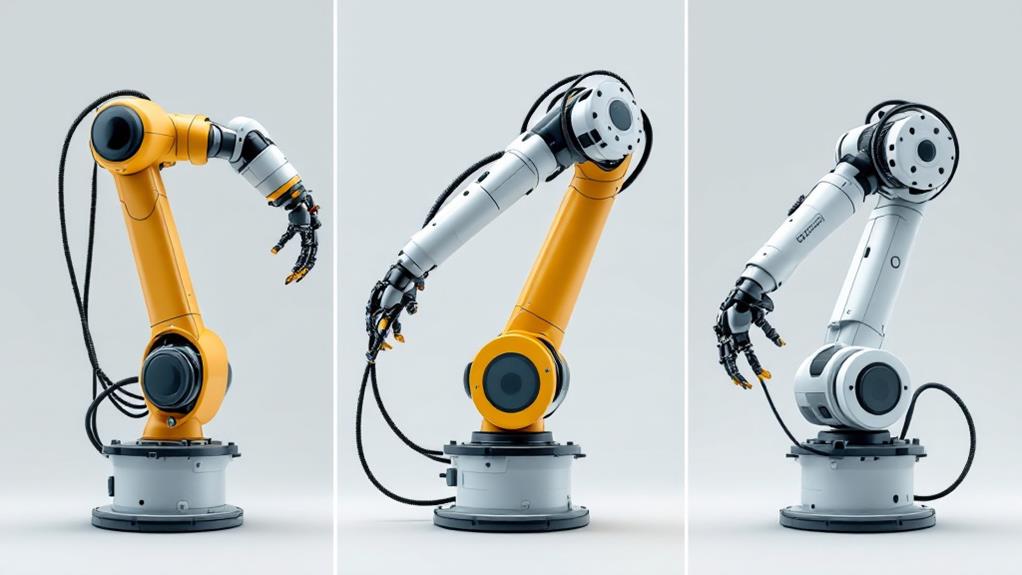
When selecting the right actuator system for your 日式按摩 project, it is crucial to weigh the pros and cons of different options. Each actuator type—pneumatic, electric, and hydraulic—has unique characteristics that affect their efficiency and suitability for diverse actuator applications. For instance, pneumatic actuators are often praised for their speed and simplicity, while hydraulic actuators deliver considerable power but may require more maintenance.
When you're comparing efficiency, consider how each system performs under specific conditions. Electric actuators may be more energy-efficient for precise movements, whereas hydraulic systems excel in heavy-duty tasks.
Cost analysis also plays an important role in your decision. While electric actuators typically have lower initial costs, hydraulic systems can incur higher operational expenses due to fluid maintenance and energy consumption.
Lastly, don't forget about design considerations. Think about the space constraints, weight distribution, and integration with existing components. These factors can greatly influence your actuator choice. By carefully comparing these elements, you can determine which actuator system aligns best with your project's goals, ensuring peak performance and cost-effectiveness.
Related posts