<?xml version="1.0" encoding="utf-8"?>
<feed xmlns="http://www.w3.org/2005/Atom" xmlns:media="http://search.yahoo.com/mrss/">
    <title>Robots Authority</title>
    <link href="https://www.51syhz.com/feed.xml" rel="self" />
    <link href="https://www.51syhz.com" />
    <updated>2026-01-15T06:25:40-06:00</updated>
    <author>
        <name>aRobotKR</name>
    </author>
    <id>https://www.51syhz.com</id>

    <entry>
        <title>Outdoor Drone Use: Regulations &amp; Best Practices in Texas</title>
        <author>
            <name>aRobotKR</name>
        </author>
        <link href="https://www.51syhz.com/outdoor-drone-use-regulations-and-best-practices-in-texas/"/>
        <id>https://www.51syhz.com/outdoor-drone-use-regulations-and-best-practices-in-texas/</id>
        <media:content url="https://www.51syhz.com/media/posts/461/Golden-hour-sunset-over-the-Austin-landscape-at-the-Texas-State-Capitol-building.jpg" medium="image" />
            <category term="Robotics and AI Blog"/>

        <updated>2026-01-15T06:25:40-06:00</updated>
            <summary>
                <![CDATA[
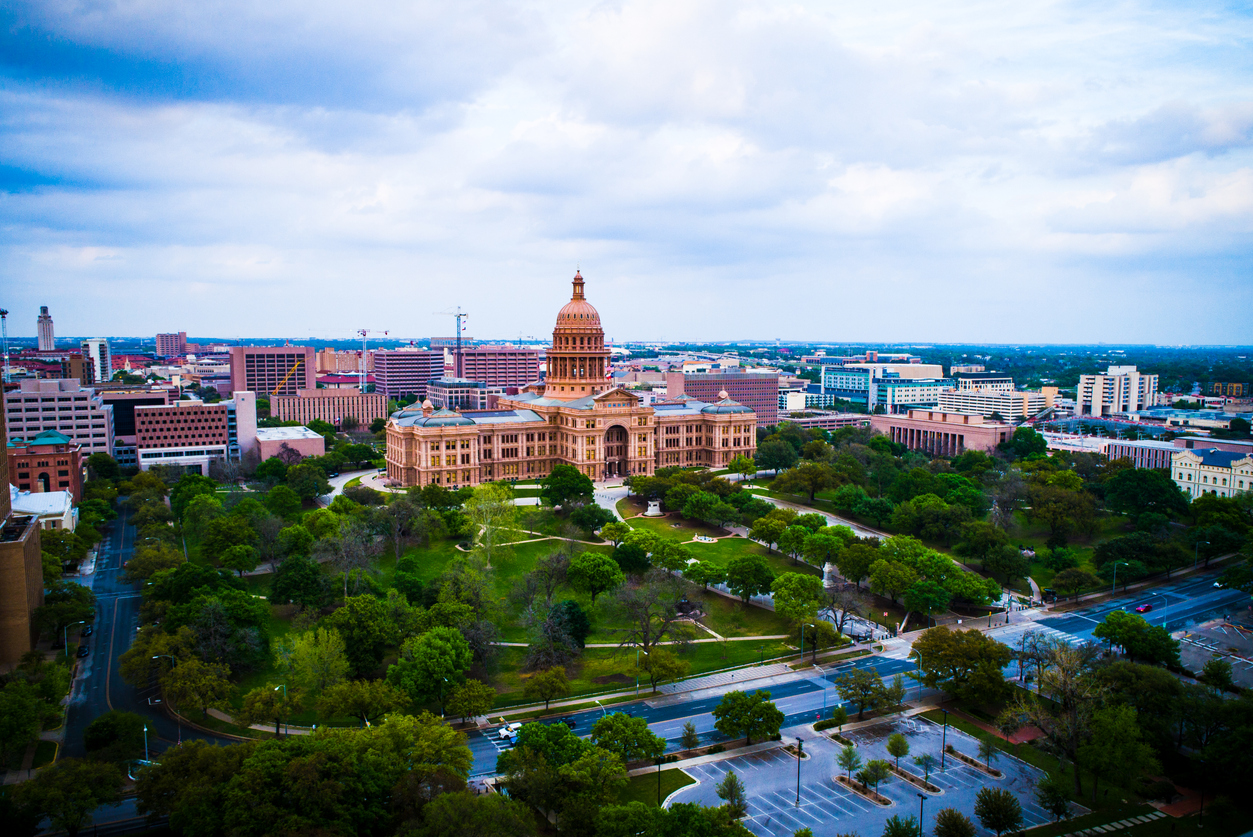
                        <img src="https://www.51syhz.com/media/posts/461/Golden-hour-sunset-over-the-Austin-landscape-at-the-Texas-State-Capitol-building.jpg" alt="Golden hour sunset over the Austin landscape at the Texas State Capitol building" />
                    In Texas, you'll need to register drones (0.55-55 pounds) with the FAA, display registration numbers, and have proof of registration&hellip;
                ]]>
            </summary>
        <content type="html">
            <![CDATA[
                    <p><img src="https://www.51syhz.com/media/posts/461/Golden-hour-sunset-over-the-Austin-landscape-at-the-Texas-State-Capitol-building.jpg" class="type:primaryImage" alt="Golden hour sunset over the Austin landscape at the Texas State Capitol building" /></p>
                <p><span style="font-weight: 400;">In Texas, you'll need to register drones (0.55-55 pounds) with the </span><strong>FAA</strong><span style="font-weight: 400;">, display registration numbers, and have proof of registration available during flights if asked. Commercial pilots must obtain </span><strong>Part 107</strong><span style="font-weight: 400;"> certification. Most </span><a href="https://discovertexasoutdoors.com/top-texas-state-parks-for-hiking-camping-and-adventure/"><span style="font-weight: 400;">Texas state parks</span></a><span style="font-weight: 400;"> require permits, and you can't use drones for hunting wildlife or to count or photograph wildlife without the proper authorization. </span> <span style="font-weight: 400;">Stay below </span><strong>400 feet</strong><span style="font-weight: 400;">, maintain visual line-of-sight, and comply with </span><strong>Remote ID</strong><span style="font-weight: 400;"> regulations. Understanding local ordinances and wildlife protection laws will keep your outdoor drone adventures legal and enjoyable.</span></p>
<h2><span style="font-weight: 400;">Federal Registration Requirements for Texas Drone Owners</span></h2>
<div class="post__iframe"><iframe loading="lazy" width="855" height="481" title="How to Register Your Drone with the FAA" src="https://www.youtube.com/embed/We2bikRZqAg" frameborder="0" allowfullscreen="allowfullscreen"></iframe></div> <span style="font-weight: 400;">Three key federal requirements govern drone ownership in Texas. First, you must register all drones weighing between 0.55 and 55 pounds with the FAA, regardless of whether you're flying for fun or profit. Second, you'll need to display your FAA registration number visibly on your drone's exterior. Third, you must have your registration certificate (digital or physical) available and show it if asked by law enforcement or FAA personnel during flights. Recreational flyers are required to complete the </span><strong>TRUST</strong><span style="font-weight: 400;"> online course before operating their drones, and keep proof of passage available when flying.</span> <span style="font-weight: 400;">Complete your recreational drone registration through the FAA </span><strong>DroneZone</strong><span style="font-weight: 400;"> website for $5, which covers all drones in your recreational inventory for three years. If you're under 13, an adult must register on your behalf. </span> <span style="font-weight: 400;">Non-compliance can trigger severe FAA enforcement actions, including civil penalties up to $27,500, criminal penalties that can include larger fines and imprisonment, and possible drone confiscation. Texas authorities enforce both federal and local drone laws, making proper registration essential before your first flight.</span></p>
<h2><span style="font-weight: 400;">Part 107 Certification for Commercial Drone Operations in Texas</span></h2>
<blockquote class="instagram-media" style="background: #FFF; border: 0; border-radius: 3px; box-shadow: 0 0 1px 0 rgba(0,0,0,0.5),0 1px 10px 0 rgba(0,0,0,0.15); margin: 1px; max-width: 540px; min-width: 326px; padding: 0; width: calc(100% - 2px);" data-instgrm-permalink="https://www.instagram.com/p/C2iX8n3PL2k/?utm_source=ig_embed&amp;utm_campaign=loading" data-instgrm-version="14">
<div style="padding: 16px;"> 
<div style="display: flex; flex-direction: row; align-items: center;">
<div style="background-color: #f4f4f4; border-radius: 50%; flex-grow: 0; height: 40px; margin-right: 14px; width: 40px;"> </div>
<div style="display: flex; flex-direction: column; flex-grow: 1; justify-content: center;">
<div style="background-color: #f4f4f4; border-radius: 4px; flex-grow: 0; height: 14px; margin-bottom: 6px; width: 100px;"> </div>
<div style="background-color: #f4f4f4; border-radius: 4px; flex-grow: 0; height: 14px; width: 60px;"> </div>
</div>
</div>
<div style="padding: 19% 0;"> </div>
<div style="display: block; height: 50px; margin: 0 auto 12px; width: 50px;"> </div>
<div style="padding-top: 8px;">
<div style="color: #3897f0; font-family: Arial,sans-serif; font-size: 14px; font-style: normal; font-weight: 550; line-height: 18px;">View this post on Instagram</div>
</div>
<div style="padding: 12.5% 0;"> </div>
<div style="display: flex; flex-direction: row; margin-bottom: 14px; align-items: center;">
<div>
<div style="background-color: #f4f4f4; border-radius: 50%; height: 12.5px; width: 12.5px; transform: translateX(0px) translateY(7px);"> </div>
<div style="background-color: #f4f4f4; height: 12.5px; transform: rotate(-45deg) translateX(3px) translateY(1px); width: 12.5px; flex-grow: 0; margin-right: 14px; margin-left: 2px;"> </div>
<div style="background-color: #f4f4f4; border-radius: 50%; height: 12.5px; width: 12.5px; transform: translateX(9px) translateY(-18px);"> </div>
</div>
<div style="margin-left: 8px;">
<div style="background-color: #f4f4f4; border-radius: 50%; flex-grow: 0; height: 20px; width: 20px;"> </div>
<div style="width: 0; height: 0; border-top: 2px solid transparent; border-left: 6px solid #f4f4f4; border-bottom: 2px solid transparent; transform: translateX(16px) translateY(-4px) rotate(30deg);"> </div>
</div>
<div style="margin-left: auto;">
<div style="width: 0px; border-top: 8px solid #F4F4F4; border-right: 8px solid transparent; transform: translateY(16px);"> </div>
<div style="background-color: #f4f4f4; flex-grow: 0; height: 12px; width: 16px; transform: translateY(-4px);"> </div>
<div style="width: 0; height: 0; border-top: 8px solid #F4F4F4; border-left: 8px solid transparent; transform: translateY(-4px) translateX(8px);"> </div>
</div>
</div>
<div style="display: flex; flex-direction: column; flex-grow: 1; justify-content: center; margin-bottom: 24px;">
<div style="background-color: #f4f4f4; border-radius: 4px; flex-grow: 0; height: 14px; margin-bottom: 6px; width: 224px;"> </div>
<div style="background-color: #f4f4f4; border-radius: 4px; flex-grow: 0; height: 14px; width: 144px;"> </div>
</div>
 
<p style="color: #c9c8cd; font-family: Arial,sans-serif; font-size: 14px; line-height: 17px; margin-bottom: 0; margin-top: 8px; overflow: hidden; padding: 8px 0 7px; text-align: center; text-overflow: ellipsis; white-space: nowrap;"><a style="color: #c9c8cd; font-family: Arial,sans-serif; font-size: 14px; font-style: normal; font-weight: normal; line-height: 17px; text-decoration: none;" href="https://www.instagram.com/p/C2iX8n3PL2k/?utm_source=ig_embed&amp;utm_campaign=loading" target="_blank" rel="noopener">A post shared by Nathan | FPV Pilot (@perspective.tx)</a></p>
</div>
</blockquote>
<p>
<script async="" src="//www.instagram.com/embed.js"></script>
<span style="font-weight: 400;">Unlike recreational drone pilots, anyone operating drones for commercial purposes in Texas must obtain FAA Part 107 certification before their first business flight. To qualify, you'll need to be at least 16 years old, proficient in English, and pass the 60-question Aeronautical Knowledge Test.</span> <span style="font-weight: 400;">The certification process requires creating an FAA account, completing an application, and completing identity verification as part of the FAA’s process. You'll need to present valid photo ID and exam documentation during verification.</span> <span style="font-weight: 400;">Your certification remains valid for 24 months, after which you must complete the FAA’s recurrent training requirements to maintain your commercial operating privileges. The FAA offers free online courses for this purpose. Always keep your Remote Pilot Certificate available during all commercial operations. Commercial pilots must adhere to the Part 107 Small UAS Rule which includes regulations for airspace, altitude, and line-of-sight requirements.</span></p>
<h2><span style="font-weight: 400;">Texas State Park Drone Restrictions and Permit Process</span></h2>
<blockquote class="instagram-media" style="background: #FFF; border: 0; border-radius: 3px; box-shadow: 0 0 1px 0 rgba(0,0,0,0.5),0 1px 10px 0 rgba(0,0,0,0.15); margin: 1px; max-width: 540px; min-width: 326px; padding: 0; width: calc(100% - 2px);" data-instgrm-permalink="https://www.instagram.com/p/DL3X11pt6OJ/?utm_source=ig_embed&amp;utm_campaign=loading" data-instgrm-version="14">
<div style="padding: 16px;"> 
<div style="display: flex; flex-direction: row; align-items: center;">
<div style="background-color: #f4f4f4; border-radius: 50%; flex-grow: 0; height: 40px; margin-right: 14px; width: 40px;"> </div>
<div style="display: flex; flex-direction: column; flex-grow: 1; justify-content: center;">
<div style="background-color: #f4f4f4; border-radius: 4px; flex-grow: 0; height: 14px; margin-bottom: 6px; width: 100px;"> </div>
<div style="background-color: #f4f4f4; border-radius: 4px; flex-grow: 0; height: 14px; width: 60px;"> </div>
</div>
</div>
<div style="padding: 19% 0;"> </div>
<div style="display: block; height: 50px; margin: 0 auto 12px; width: 50px;"> </div>
<div style="padding-top: 8px;">
<div style="color: #3897f0; font-family: Arial,sans-serif; font-size: 14px; font-style: normal; font-weight: 550; line-height: 18px;">View this post on Instagram</div>
</div>
<div style="padding: 12.5% 0;"> </div>
<div style="display: flex; flex-direction: row; margin-bottom: 14px; align-items: center;">
<div>
<div style="background-color: #f4f4f4; border-radius: 50%; height: 12.5px; width: 12.5px; transform: translateX(0px) translateY(7px);"> </div>
<div style="background-color: #f4f4f4; height: 12.5px; transform: rotate(-45deg) translateX(3px) translateY(1px); width: 12.5px; flex-grow: 0; margin-right: 14px; margin-left: 2px;"> </div>
<div style="background-color: #f4f4f4; border-radius: 50%; height: 12.5px; width: 12.5px; transform: translateX(9px) translateY(-18px);"> </div>
</div>
<div style="margin-left: 8px;">
<div style="background-color: #f4f4f4; border-radius: 50%; flex-grow: 0; height: 20px; width: 20px;"> </div>
<div style="width: 0; height: 0; border-top: 2px solid transparent; border-left: 6px solid #f4f4f4; border-bottom: 2px solid transparent; transform: translateX(16px) translateY(-4px) rotate(30deg);"> </div>
</div>
<div style="margin-left: auto;">
<div style="width: 0px; border-top: 8px solid #F4F4F4; border-right: 8px solid transparent; transform: translateY(16px);"> </div>
<div style="background-color: #f4f4f4; flex-grow: 0; height: 12px; width: 16px; transform: translateY(-4px);"> </div>
<div style="width: 0; height: 0; border-top: 8px solid #F4F4F4; border-left: 8px solid transparent; transform: translateY(-4px) translateX(8px);"> </div>
</div>
</div>
<div style="display: flex; flex-direction: column; flex-grow: 1; justify-content: center; margin-bottom: 24px;">
<div style="background-color: #f4f4f4; border-radius: 4px; flex-grow: 0; height: 14px; margin-bottom: 6px; width: 224px;"> </div>
<div style="background-color: #f4f4f4; border-radius: 4px; flex-grow: 0; height: 14px; width: 144px;"> </div>
</div>
 
<p style="color: #c9c8cd; font-family: Arial,sans-serif; font-size: 14px; line-height: 17px; margin-bottom: 0; margin-top: 8px; overflow: hidden; padding: 8px 0 7px; text-align: center; text-overflow: ellipsis; white-space: nowrap;"><a style="color: #c9c8cd; font-family: Arial,sans-serif; font-size: 14px; font-style: normal; font-weight: normal; line-height: 17px; text-decoration: none;" href="https://www.instagram.com/p/DL3X11pt6OJ/?utm_source=ig_embed&amp;utm_campaign=loading" target="_blank" rel="noopener">A post shared by David Aguilar | Drone Expert &amp; Videographer (@aerialaustin_)</a></p>
</div>
</blockquote>
<p>
<script async="" src="//www.instagram.com/embed.js"></script>
<span style="font-weight: 400;">Flying drones in Texas state parks requires careful navigation of specific regulations that vary by location. Drones are allowed in state parks in two circumstances: </span><strong>Martin Dies, Jr. State Park</strong><span style="font-weight: 400;"> has a designated area, and at other parks for filming purposes with a required filming permit.</span> <span style="font-weight: 400;">The drone operating protocols are stringent—you'll need written permission through the park’s permitting process, and approval can take time depending on the park and the request. For wildlife-related activities, you must obtain both an Aerial Management Permit and a Land Owner Authorization.</span> <span style="font-weight: 400;">Be aware of prohibited flight areas, as unauthorized drone use can result in enforcement actions. You can't use drones to hunt, track, or locate wildlife without proper authorization, supporting fair chase principles and conservation efforts throughout Texas parks. Texas rules specifically restrict drone-assisted methods that give an unfair technological advantage to hunters.</span></p>
<h2><span style="font-weight: 400;">Privacy Laws Governing Aerial Photography in Texas</span></h2>
<p><span style="font-weight: 400;">When operating drones in Texas, you'll need to navigate a detailed set of privacy laws that specifically govern aerial photography and videography. Texas Government Code Chapter 423 prohibits capturing images of individuals or privately owned real property with the intent to conduct surveillance, unless an exception applies under the statute.</span> <span style="font-weight: 400;">Violations can carry consequences—from misdemeanor penalties for unlawful image capture to higher-level penalties for improper disclosure, display, distribution, or use in prohibited circumstances. Property owners may also have civil remedies available under the chapter. To protect yourself, obtain consent when you’re filming people or private property in a way that could reasonably be viewed as surveillance, and keep written permissions when permissions are part of your plan.</span> <span style="font-weight: 400;">Remember that intent matters—general photography of public spaces is not the same thing as using a drone to conduct surveillance. When in doubt, choose a different angle, increase distance, or avoid filming private areas altogether.</span></p>
<h2><span style="font-weight: 400;">Wildlife Protection Regulations When Flying Outdoors</span></h2>
<p><span style="font-weight: 400;">Texas wildlife protection laws extend beyond human privacy concerns to safeguard animal populations from drone interference. You're prohibited from using drones to hunt, drive, capture, take, count, or photograph wildlife without specific permits from the Texas Parks and Wildlife Department and the required landowner authorization.</span> <span style="font-weight: 400;">If you're interested in wildlife habitat protection or conservation efforts monitoring via drone, you'll need an Aerial Management Permit (AMP) and written landowner permission. Even with advanced technology like thermal imaging drones, you can't legally use them to locate game or scout hunting areas unless your activity falls under authorized and permitted use.</span> <span style="font-weight: 400;">These restrictions uphold fair chase ethics and help prevent wildlife disturbance. Violating wildlife-related drone restrictions can lead to penalties and enforcement actions. Remember, all wildlife-related drone activities require proper authorization, regardless of your conservation intentions.</span></p>
<h2><span style="font-weight: 400;">Navigating Temporary Flight Restrictions in Texas Airspace</span></h2>
<p><span style="font-weight: 400;">Temporary Flight Restrictions (TFRs) represent one of the most critical airspace limitations you'll need to navigate as a drone operator in Texas. These FAA-issued restrictions temporarily prohibit drone flights in designated areas, often due to emergencies, public events, VIP movements, or security concerns.</span> <span style="font-weight: 400;">Weather-related TFRs are common during Texas hurricanes, floods, and wildfires to protect emergency responders. Similarly, military airspace restrictions frequently occur around bases throughout the state during training exercises.</span> <span style="font-weight: 400;">Before each flight, you must check for active TFRs using the B4UFLY app, LAANC system, or the FAA’s official tools. Obtaining proper authorization requires coordination with controlling agencies when flying near restricted zones. Non-compliance can result in substantial fines and penalties.</span></p>
<h2><span style="font-weight: 400;">Local Municipality Drone Ordinances Across Texas</span></h2>
<p><span style="font-weight: 400;">Beyond federal regulations, traversing the complex patchwork of local drone ordinances presents an additional challenge for drone operators across Texas. Many cities and counties impose local restrictions on takeoff and landing in certain public spaces, and some locations add special rules for parks, schools, and critical infrastructure.</span> <span style="font-weight: 400;">You'll encounter stricter rules in crowded areas, with local restrictions aimed at minimizing safety risks and disturbances. Local no-fly expectations can extend beyond FAA guidance through site-specific rules, even though the FAA controls the national airspace.</span> <span style="font-weight: 400;">Before flying, check whether your municipality or the specific park or facility requires prior authorization for launches, landings, or special events. Doing this homework reduces conflicts and keeps your outdoor flight plans smooth.</span></p>
<h2><span style="font-weight: 400;">Visual Line-of-Sight and Altitude Limitations</span></h2>
<p><span style="font-weight: 400;">The cornerstone of safe drone operation in Texas revolves around two critical FAA requirements: maintaining visual line-of-sight and observing strict altitude limitations. When flying your drone, you must always maintain VLOS operational limitations, keeping your drone visible without aids beyond corrective lenses. Additionally, you’re generally required to stay below 400 feet above ground level, with Part 107 allowing limited exceptions such as operating within 400 feet of a structure under specific conditions.</span> <span style="font-weight: 400;">To create vivid imagery of proper drone operation:</span></p>
<ul>
<li style="font-weight: 400;" aria-level="1"><span style="font-weight: 400;">Imagine tracking your drone's white frame against the blue Texas sky, never letting it disappear from view</span></li>
<li style="font-weight: 400;" aria-level="1"><span style="font-weight: 400;">Picture your drone hovering at tree-top level, well below the 400-foot ceiling</span></li>
<li style="font-weight: 400;" aria-level="1"><span style="font-weight: 400;">Envision your drone's anti-collision lights blinking clearly during dusk flights</span></li>
<li style="font-weight: 400;" aria-level="1"><span style="font-weight: 400;">Visualize monitoring a flight planning app while maintaining eye contact with your aircraft</span></li>
</ul>
<p><span style="font-weight: 400;">For BVLOS operations, the waiver application process still requires demonstrating specific safety measures to the FAA.</span></p>
<h2><span style="font-weight: 400;">Remote ID Compliance for Texas Drone Pilots</span></h2>
<p><span style="font-weight: 400;">Every drone operator in Texas must comply with the FAA's </span><strong>Remote ID</strong><span style="font-weight: 400;"> rule, with enforcement beginning March 16, 2024. This regulation applies to drones that must be registered, requiring them to broadcast identification and location data in real-time unless flown in a FAA-Recognized Identification Area (FRIA).</span> <span style="font-weight: 400;">You have three compliance options: using drones with built-in Remote ID capability, attaching external broadcast modules to older models, or flying exclusively in FRIAs. The compliance verification process involves registering your Remote ID serial number in the FAA DroneZone system and maintaining an accurate inventory of all your equipment.</span> <span style="font-weight: 400;">While privacy concerns regarding Remote ID exist, this system enables law enforcement to identify unauthorized drone operations. Remember that flying without proper Remote ID compliance outside designated areas can result in substantial penalties.</span></p>
<h2><span style="font-weight: 400;">Best Safety Practices for Rural and Urban Drone Flying</span></h2>
<p><span style="font-weight: 400;">While Remote ID compliance provides a foundation for legal drone flight, operating safely in different environments requires specific practical knowledge. Always conduct pre-flight site surveys to identify potential hazards before launching your drone, paying particular attention to power lines, buildings, and other obstacles that could interfere with your flight.</span> <span style="font-weight: 400;">When flying in Texas, remember these essential practices:</span></p>
<ul>
<li style="font-weight: 400;" aria-level="1"><span style="font-weight: 400;">Stay below 400 feet AGL in all environments, with extra caution in urban areas with controlled or restricted airspace</span></li>
<li style="font-weight: 400;" aria-level="1"><span style="font-weight: 400;">Keep your drone within visual line of sight at all times, especially in cluttered urban settings</span></li>
<li style="font-weight: 400;" aria-level="1"><span style="font-weight: 400;">Avoid flying over emergency scenes and give responders wide space to work</span></li>
<li style="font-weight: 400;" aria-level="1"><span style="font-weight: 400;">Develop weather contingency planning to safely land or return home when conditions deteriorate</span></li>
</ul>
<p><span style="font-weight: 400;">For public safety operations, consider that agencies may face equipment and compliance constraints based on evolving procurement and security rules, so always confirm site rules when coordinating near official activities.</span></p>
            ]]>
        </content>
    </entry>
    <entry>
        <title>Houston’s Space-Age Robots and Automation in Industry</title>
        <author>
            <name>aRobotKR</name>
        </author>
        <link href="https://www.51syhz.com/houstons-space-age-robots-and-automation-in-industry/"/>
        <id>https://www.51syhz.com/houstons-space-age-robots-and-automation-in-industry/</id>
        <media:content url="https://www.51syhz.com/media/posts/460/houstons-space-age-robots-and-automation-in-industry.jpg" medium="image" />
            <category term="Robotics and AI Industry"/>

        <updated>2026-01-14T18:47:38-06:00</updated>
            <summary>
                <![CDATA[
                        <img src="https://www.51syhz.com/media/posts/460/houstons-space-age-robots-and-automation-in-industry.jpg" alt="Industrial engineer using digital tablet programming robotic arm in modern factory" />
                    Houston's robotics scene thrives thanks to NASA's Johnson Space Center, which supports research and partnerships that help drive advanced automation technologies.
                ]]>
            </summary>
        <content type="html">
            <![CDATA[
                    <p><img src="https://www.51syhz.com/media/posts/460/houstons-space-age-robots-and-automation-in-industry.jpg" class="type:primaryImage" alt="Industrial engineer using digital tablet programming robotic arm in modern factory" /></p>
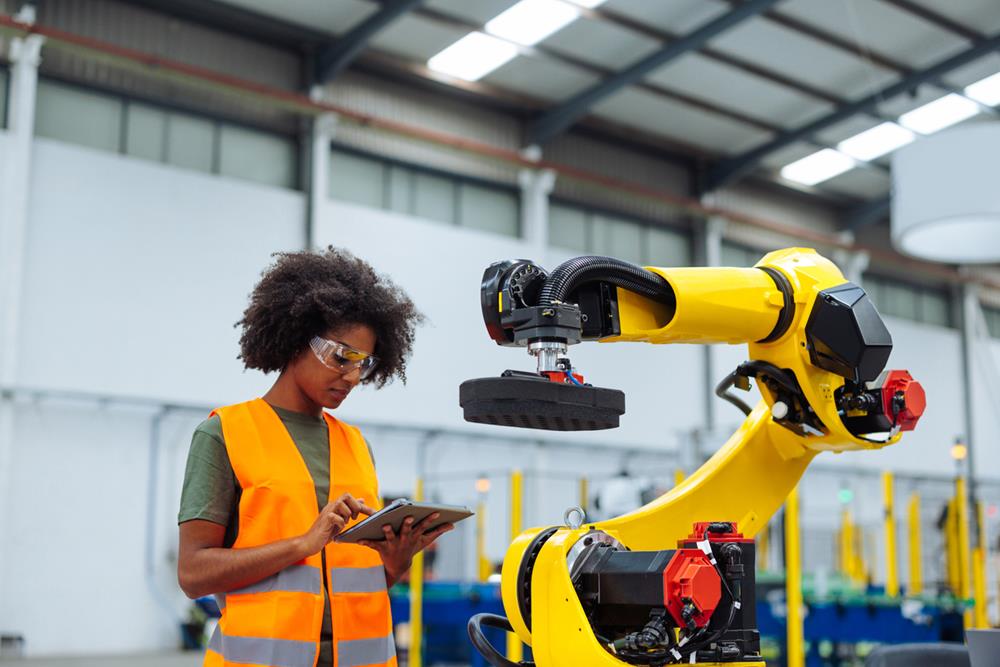
                <p>Houston's robotics scene thrives thanks to <a href="https://htownhappens.com/whats-new-at-nasas-johnson-space-center-the-future-of-space-travel-in-houston/"><strong>NASA's Johnson Space Center</strong></a>, which supports research and partnerships that help drive advanced automation technologies. You'll find space-inspired robots now influencing manufacturing, energy, healthcare, and logistics across the city's diverse industries.</p>
<p>Local companies are adopting collaborative robots, autonomous systems, and AI-assisted solutions to boost productivity and address labor challenges. Houston's unique ecosystem connects aerospace expertise with industrial applications, creating a robotics shift you'll want to explore further.</p>
<h2>NASA's Johnson Space Center: Houston's Robotics Innovation Hub</h2>
<figure class="post__video"><iframe loading="lazy" width="690" height="387" src="https://www.youtube.com/embed/L0yxtQgF6DU" allowfullscreen="allowfullscreen" data-mce-fragment="1"></iframe></figure>
<p>Tucked within NASA's Johnson Space Center (JSC) are specialized teams where the agency's robotic future takes shape. You'll find busy workspaces filled with evolving prototypes and software systems designed to enable human exploration beyond Earth.</p>
<p>The <strong>Robotic Systems Technology Branch</strong> supports development of remotely controlled and autonomous systems that align with NASA's Artemis efforts and longer-term exploration goals. These technologies are no longer framed around a "2024 return" timeline—instead, they support a phased campaign that includes lunar surface mobility and technology pathways that can inform future Mars missions. Among these innovations are next-generation <strong>Lunar Terrain Vehicle</strong> concepts and test units that help evaluate mobility designs intended to assist astronauts during planned Moon missions.</p>
<p>JSC's robotics work spans hardware, software, simulation, and integration, and many of these systems double as technology testbeds. The result is a pipeline of ideas that can translate from space environments to terrestrial industry needs.</p>
<h2>From Space to Industry: How Houston's Robotic Technologies Drive Economic Growth</h2>
<blockquote class="instagram-media" style="background: #FFF; border: 0; border-radius: 3px; box-shadow: 0 0 1px 0 rgba(0,0,0,0.5),0 1px 10px 0 rgba(0,0,0,0.15); margin: 1px; max-width: 540px; min-width: 326px; padding: 0; width: calc(100% - 2px);" data-instgrm-captioned="" data-instgrm-permalink="https://www.instagram.com/p/CERk6BfJNTg/?utm_source=ig_embed&amp;utm_campaign=loading" data-instgrm-version="14">
<div style="padding: 16px;"><a href="https://www.instagram.com/p/CERk6BfJNTg/?utm_source=ig_embed&amp;utm_campaign=loading" style="background: #FFFFFF; line-height: 0; padding: 0 0; text-align: center; text-decoration: none; width: 100%;" target="_blank" rel="noopener">
<div style="display: flex; flex-direction: row; align-items: center;">
<div style="background-color: #f4f4f4; border-radius: 50%; flex-grow: 0; height: 40px; margin-right: 14px; width: 40px;"> </div>
<div style="display: flex; flex-direction: column; flex-grow: 1; justify-content: center;">
<div style="background-color: #f4f4f4; border-radius: 4px; flex-grow: 0; height: 14px; margin-bottom: 6px; width: 100px;"> </div>
<div style="background-color: #f4f4f4; border-radius: 4px; flex-grow: 0; height: 14px; width: 60px;"> </div>
</div>
</div>
<div style="padding: 19% 0;"> </div>
<div style="display: block; height: 50px; margin: 0 auto 12px; width: 50px;"> </div>
<div style="padding-top: 8px;">
<div style="color: #3897f0; font-family: Arial,sans-serif; font-size: 14px; font-style: normal; font-weight: 550; line-height: 18px;">View this post on Instagram</div>
</div>
<div style="padding: 12.5% 0;"> </div>
<div style="display: flex; flex-direction: row; margin-bottom: 14px; align-items: center;">
<div>
<div style="background-color: #f4f4f4; border-radius: 50%; height: 12.5px; width: 12.5px; transform: translateX(0px) translateY(7px);"> </div>
<div style="background-color: #f4f4f4; height: 12.5px; transform: rotate(-45deg) translateX(3px) translateY(1px); width: 12.5px; flex-grow: 0; margin-right: 14px; margin-left: 2px;"> </div>
<div style="background-color: #f4f4f4; border-radius: 50%; height: 12.5px; width: 12.5px; transform: translateX(9px) translateY(-18px);"> </div>
</div>
<div style="margin-left: 8px;">
<div style="background-color: #f4f4f4; border-radius: 50%; flex-grow: 0; height: 20px; width: 20px;"> </div>
<div style="width: 0; height: 0; border-top: 2px solid transparent; border-left: 6px solid #f4f4f4; border-bottom: 2px solid transparent; transform: translateX(16px) translateY(-4px) rotate(30deg);"> </div>
</div>
<div style="margin-left: auto;">
<div style="width: 0px; border-top: 8px solid #F4F4F4; border-right: 8px solid transparent; transform: translateY(16px);"> </div>
<div style="background-color: #f4f4f4; flex-grow: 0; height: 12px; width: 16px; transform: translateY(-4px);"> </div>
<div style="width: 0; height: 0; border-top: 8px solid #F4F4F4; border-left: 8px solid transparent; transform: translateY(-4px) translateX(8px);"> </div>
</div>
</div>
<div style="display: flex; flex-direction: column; flex-grow: 1; justify-content: center; margin-bottom: 24px;">
<div style="background-color: #f4f4f4; border-radius: 4px; flex-grow: 0; height: 14px; margin-bottom: 6px; width: 224px;"> </div>
<div style="background-color: #f4f4f4; border-radius: 4px; flex-grow: 0; height: 14px; width: 144px;"> </div>
</div>
</a>
<p style="color: #c9c8cd; font-family: Arial,sans-serif; font-size: 14px; line-height: 17px; margin-bottom: 0; margin-top: 8px; overflow: hidden; padding: 8px 0 7px; text-align: center; text-overflow: ellipsis; white-space: nowrap;"><a href="https://www.instagram.com/p/CERk6BfJNTg/?utm_source=ig_embed&amp;utm_campaign=loading" style="color: #c9c8cd; font-family: Arial,sans-serif; font-size: 14px; font-style: normal; font-weight: normal; line-height: 17px; text-decoration: none;" target="_blank" rel="noopener">A post shared by East End Maker Hub (@houstonmakerhub)</a></p>
</div>
</blockquote>
<p>
<script async="" src="//www.instagram.com/embed.js"></script>
</p>
<p>While NASA's robotics innovations capture imaginations with their space applications, Houston's terrestrial economy can benefit from this technological crossover. The city's manufacturing base and industrial services ecosystem increasingly leverage automation to remain competitive while navigating workforce and operational pressures.</p>
<p>You'll find the impact of this technology push evident in three key areas:</p>
<ul>
<li>Economic diversification through initiatives like the <strong>East End Maker Hub</strong>, projected to generate an estimated $153 million in annual economic impact</li>
<li>Small business robotics adoption creating new job opportunities even as many routine tasks across industries become increasingly automatable</li>
<li>Artificial intelligence applications transforming traditional sectors, including back-office processes and service operations that rely on speed and consistency</li>
</ul>
<p>This dual-edged technological shift requires careful navigation as Houston balances innovation with workforce adaptation in its evolving industrial landscape. With manufacturing employment changing over time due to technology, globalization, and cyclical demand, the city faces steady pressure to prepare workers for an increasingly automated future.</p>
<h2>The Rise of Collaborative Robots in Houston's Manufacturing Landscape</h2>
<p>The manufacturing floors of Houston tell a compelling story of transformation as <strong>collaborative robots</strong> emerge as key players in the city's industrial evolution. You'll find these cobots across Houston's diverse industrial landscape, with adoption often tied to measurable improvements like cycle-time gains and reduced strain on workers in repetitive tasks.</p>
<p>As Texas remains a major state for robotics-related jobs and industrial hiring, Houston manufacturers are embracing this technology—particularly in energy-adjacent manufacturing, electronics, and life sciences supply chains. The growth projections for the collaborative robotics market underscore the significance of this shift in manufacturing. Cobot adoption factors vary by payload requirements, with many deployments focused on lighter loads for precision work and safe human-robot collaboration.</p>
<p>Local robotics training programs are expanding to support this growth, preparing workers to operate alongside these machines that address labor shortages while enhancing productivity across Houston's manufacturing ecosystem—from aerospace-adjacent work to biomedical applications.</p>
<h2>Automation Solutions Transforming Houston's Energy and Petrochemical Sectors</h2>
<p>As innovation accelerates across Houston's industrial landscape, you'll find automation technologies reshaping the energy and petrochemical sectors that form the backbone of the region's economy. Enterprise AI governance frameworks increasingly guide implementation of these technologies across operations, enhancing efficiency while supporting compliance and risk controls.</p>
<p>The transformation includes:</p>
<ul>
<li>Predictive analytics and condition monitoring that can lower unplanned downtime and reduce costs, especially when paired with strong maintenance practices</li>
<li>Industrial IoT systems with real-time monitoring expanding across facilities, improving visibility into equipment health and process stability</li>
<li>Digital twins enabling virtual simulation of assets and operating scenarios for better planning and decision-making</li>
</ul>
<p>You'll see this evolution at places like <strong>Schneider Electric's Energy Innovation Center</strong> in Houston, where digital solutions can be demonstrated through real-world industrial simulations. Industry experts also explore how these technologies shape customer expectations and ROI discussions through ongoing professional programming and industry seminars held across the region.</p>
<h2>Engineering Talent Pipeline: Preparing Houston's Workforce for the Robotic Revolution</h2>
<p>Houston's technological transformation extends beyond implementing systems to cultivating the human talent that powers them. The city's tech workforce is projected to keep growing, and Texas remains a leading state for robotics-related employment and engineering demand.</p>
<p>Local initiatives focus on reskilling displaced workers from traditional industries into robotics and automation roles, while educational institutions are enhancing STEM curricula with AI and automation components. Improving talent retention strategies has become critical as Houston competes with larger tech hubs for specialized engineers and experienced technicians.</p>
<p>Public-private partnerships are addressing workforce readiness through apprenticeships and industry-sponsored innovation labs. With robotics engineer salaries often landing in a broad range depending on specialty and experience, Houston offers competitive compensation while working to bridge gaps between academic training and practical industry requirements.</p>
<h2>Addressing Labor Challenges Through Advanced Robotics and AI Systems</h2>
<p>Facing labor shortages across critical industries, companies throughout Houston have turned to advanced robotics and AI systems as strategic solutions rather than mere technological upgrades. These technologies address the declining interest in physically demanding jobs while delivering productivity gains through consistent, repeatable operations.</p>
<p>Collaborative robots now represent a meaningful and growing share of automation demand, enabling safer human-robot partnerships while reducing physical strain. AI-integrated systems perform complex tasks like precision assembly and quality inspection, maintaining productivity despite skilled labor scarcity. Data-informed automation improves manufacturing flow, resulting in better workplace safety and more stable output. Recent industry reporting continues to show steady growth in cobot orders and deployments, reflecting the increasing importance of collaborative solutions.</p>
<p>You'll find Houston's automation landscape transforming rapidly as cobots and smart systems fill critical gaps without simply eliminating jobs—instead shifting workforce demand toward higher-skilled roles in programming, maintenance, and system integration.</p>
            ]]>
        </content>
    </entry>
    <entry>
        <title>AI in San Antonio: Emerging Robotics Research Spots</title>
        <author>
            <name>aRobotKR</name>
        </author>
        <link href="https://www.51syhz.com/ai-in-san-antonio-emerging-robotics-research-spots/"/>
        <id>https://www.51syhz.com/ai-in-san-antonio-emerging-robotics-research-spots/</id>
        <media:content url="https://www.51syhz.com/media/posts/459/Technological-prosthetic-robot-arm-is-tested-by-two-professional-development-engineers-in-a-high-tech-research-laboratory.jpg" medium="image" />
            <category term="Robotics and AI Blog"/>

        <updated>2025-12-30T04:05:37-06:00</updated>
            <summary>
                <![CDATA[
                        <img src="https://www.51syhz.com/media/posts/459/Technological-prosthetic-robot-arm-is-tested-by-two-professional-development-engineers-in-a-high-tech-research-laboratory.jpg" alt="Technological prosthetic robot arm is tested by two professional development engineers in a high-tech research laboratory" />
                    San Antonio boasts a thriving robotics ecosystem anchored by Southwest Research Institute (SwRI), UTSA's Klesse College, and innovative companies like&hellip;
                ]]>
            </summary>
        <content type="html">
            <![CDATA[
                    <p><img src="https://www.51syhz.com/media/posts/459/Technological-prosthetic-robot-arm-is-tested-by-two-professional-development-engineers-in-a-high-tech-research-laboratory.jpg" class="type:primaryImage" alt="Technological prosthetic robot arm is tested by two professional development engineers in a high-tech research laboratory" /></p>
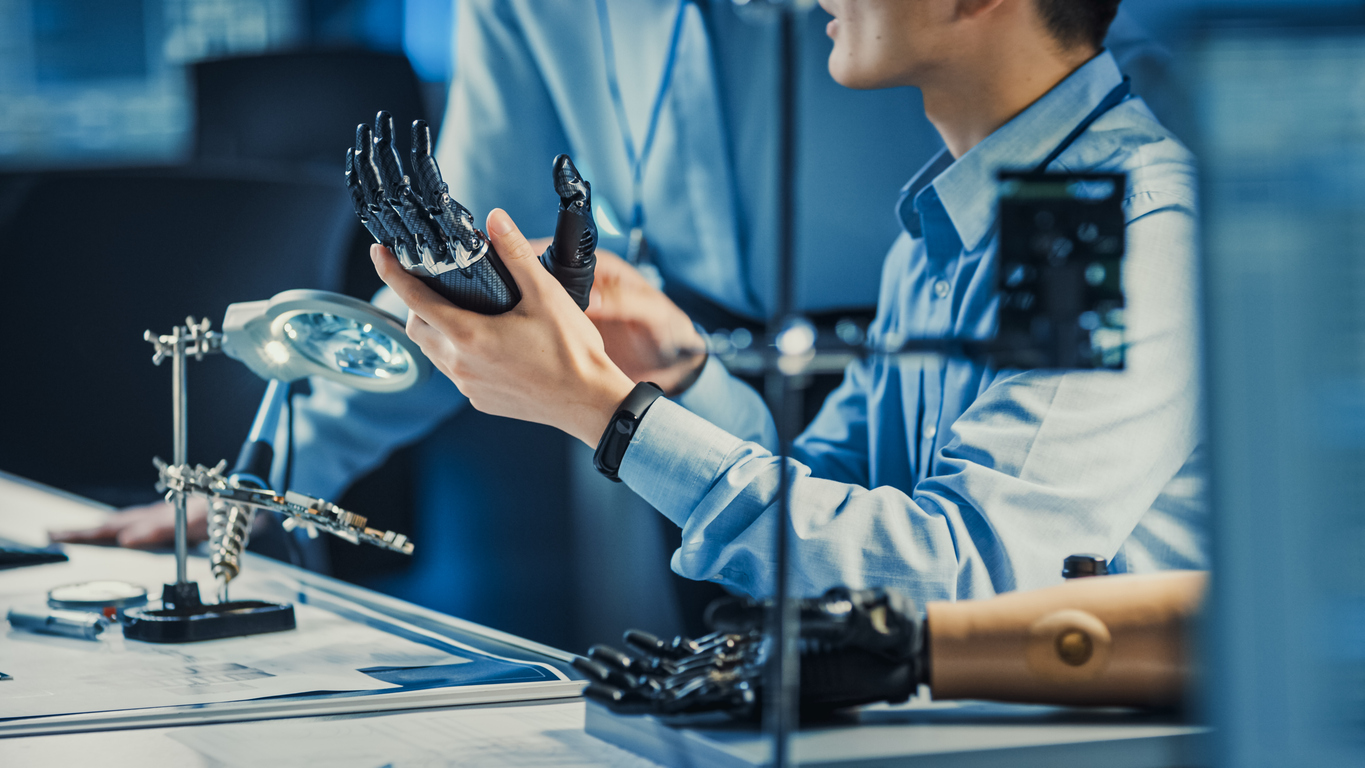
                <p>San Antonio boasts a thriving robotics ecosystem anchored by <strong>Southwest Research Institute (SwRI)</strong>, <strong>UTSA's Klesse College</strong>, and innovative companies like <strong>Plus One Robotics</strong>. You'll find cutting-edge developments in autonomous systems, machine learning, and industrial automation throughout the city. Local initiatives like the <strong>TEROS Symposium</strong> and LocoRobo's educational programs connect researchers, students, and industry professionals. The collaboration between academic institutions and industry partners fuels San Antonio's emergence as a robotics powerhouse.</p>
<h2>Southwest Research Institute (SwRI): A Cornerstone of Robotics Innovation</h2>
<div class="post__iframe"><iframe loading="lazy" width="560" height="315" title="YouTube video player" src="https://www.youtube.com/embed/FNn2Qvc5ZCA?si=zV4seKcNxHeK37Hv" frameborder="0" allowfullscreen="allowfullscreen"></iframe></div>
<p>While many think of Silicon Valley as America's tech hub, San Antonio has quietly emerged as a significant player in robotics research, with <strong>Southwest Research Institute</strong> (SwRI) leading the charge. Founded in 1947, this independent non-profit R&amp;D powerhouse now employs around <strong>3,000 experts</strong> working on cutting-edge projects across multiple domains. You'll find SwRI's robotics department pioneering machine learning innovations through deep learning techniques that enhance robot intelligence. Their sensor fusion advancements combine 2D, 3D, and multispectral imaging for complex guidance applications. They're also behind the <strong>ROS-Industrial</strong> initiative, creating common frameworks for industrial robotics. The institute regularly performs contract R&amp;D for both government and industry clients worldwide. Perhaps most impressive is their large workspace robotics expertise, exemplified by their creation of a five-story, 20-ton robot equipped with a 20kW laser—widely cited as one of the <strong>largest industrial robots in the world</strong>.</p>
<h2>UTSA's Margie and Bill Klesse College: Building Tomorrow's Robotics Engineers</h2>
<blockquote class="instagram-media" style="background: #FFF; border: 0; border-radius: 3px; box-shadow: 0 0 1px 0 rgba(0,0,0,0.5),0 1px 10px 0 rgba(0,0,0,0.15); margin: 1px; max-width: 540px; min-width: 326px; padding: 0; width: calc(100% - 2px);" data-instgrm-permalink="https://www.instagram.com/p/DQ9RPgEE3qk/?utm_source=ig_embed&amp;utm_campaign=loading" data-instgrm-version="14">
<div style="padding: 16px;"> 
<div style="display: flex; flex-direction: row; align-items: center;">
<div style="background-color: #f4f4f4; border-radius: 50%; flex-grow: 0; height: 40px; margin-right: 14px; width: 40px;"> </div>
<div style="display: flex; flex-direction: column; flex-grow: 1; justify-content: center;">
<div style="background-color: #f4f4f4; border-radius: 4px; flex-grow: 0; height: 14px; margin-bottom: 6px; width: 100px;"> </div>
<div style="background-color: #f4f4f4; border-radius: 4px; flex-grow: 0; height: 14px; width: 60px;"> </div>
</div>
</div>
<div style="padding: 19% 0;"> </div>
<div style="display: block; height: 50px; margin: 0 auto 12px; width: 50px;"> </div>
<div style="padding-top: 8px;">
<div style="color: #3897f0; font-family: Arial,sans-serif; font-size: 14px; font-style: normal; font-weight: 550; line-height: 18px;">View this post on Instagram</div>
</div>
<div style="padding: 12.5% 0;"> </div>
<div style="display: flex; flex-direction: row; margin-bottom: 14px; align-items: center;">
<div>
<div style="background-color: #f4f4f4; border-radius: 50%; height: 12.5px; width: 12.5px; transform: translateX(0px) translateY(7px);"> </div>
<div style="background-color: #f4f4f4; height: 12.5px; transform: rotate(-45deg) translateX(3px) translateY(1px); width: 12.5px; flex-grow: 0; margin-right: 14px; margin-left: 2px;"> </div>
<div style="background-color: #f4f4f4; border-radius: 50%; height: 12.5px; width: 12.5px; transform: translateX(9px) translateY(-18px);"> </div>
</div>
<div style="margin-left: 8px;">
<div style="background-color: #f4f4f4; border-radius: 50%; flex-grow: 0; height: 20px; width: 20px;"> </div>
<div style="width: 0; height: 0; border-top: 2px solid transparent; border-left: 6px solid #f4f4f4; border-bottom: 2px solid transparent; transform: translateX(16px) translateY(-4px) rotate(30deg);"> </div>
</div>
<div style="margin-left: auto;">
<div style="width: 0px; border-top: 8px solid #F4F4F4; border-right: 8px solid transparent; transform: translateY(16px);"> </div>
<div style="background-color: #f4f4f4; flex-grow: 0; height: 12px; width: 16px; transform: translateY(-4px);"> </div>
<div style="width: 0; height: 0; border-top: 8px solid #F4F4F4; border-left: 8px solid transparent; transform: translateY(-4px) translateX(8px);"> </div>
</div>
</div>
<div style="display: flex; flex-direction: column; flex-grow: 1; justify-content: center; margin-bottom: 24px;">
<div style="background-color: #f4f4f4; border-radius: 4px; flex-grow: 0; height: 14px; margin-bottom: 6px; width: 224px;"> </div>
<div style="background-color: #f4f4f4; border-radius: 4px; flex-grow: 0; height: 14px; width: 144px;"> </div>
</div>
 
<p style="color: #c9c8cd; font-family: Arial,sans-serif; font-size: 14px; line-height: 17px; margin-bottom: 0; margin-top: 8px; overflow: hidden; padding: 8px 0 7px; text-align: center; text-overflow: ellipsis; white-space: nowrap;"><a style="color: #c9c8cd; font-family: Arial,sans-serif; font-size: 14px; font-style: normal; font-weight: normal; line-height: 17px; text-decoration: none;" href="https://www.instagram.com/p/DQ9RPgEE3qk/?utm_source=ig_embed&amp;utm_campaign=loading" target="_blank" rel="noopener">A post shared by UTSA Klesse College (@utsa_klessecollege)</a></p>
</div>
</blockquote>
<p>
<script async="" src="//www.instagram.com/embed.js"></script>
The University of Texas at San Antonio's <strong>Margie and Bill Klesse College of Engineering and Integrated Design</strong> stands as another pillar in San Antonio's robotics landscape, complementing the industry-focused work at SwRI by shaping the next generation of robotics innovators. Renamed in 2021 after a substantial <strong>$20 million donation</strong>, the college offers extensive robotics curriculum enhancements through its Electrical &amp; Computer Engineering department. You'll find state-of-the-art labs where students tackle autonomous systems projects like self-navigating vehicles and environmental robots. Students benefit from research on sensor-based control systems supported by federal and industry partners. The <strong>EPICS</strong> program provides multidisciplinary project opportunities through community-based engineering challenges, allowing you to design real-world robotics and automation solutions while earning credit. Summer camps and outreach initiatives extend this expertise to high schoolers interested in robotics careers and STEM pathways.</p>
<h2>LocoRobo: Transforming San Antonio's STEM Education Landscape</h2>
<blockquote class="instagram-media" style="background: #FFF; border: 0; border-radius: 3px; box-shadow: 0 0 1px 0 rgba(0,0,0,0.5),0 1px 10px 0 rgba(0,0,0,0.15); margin: 1px; max-width: 540px; min-width: 326px; padding: 0; width: calc(100% - 2px);" data-instgrm-permalink="https://www.instagram.com/p/DQFVCfgE04-/?utm_source=ig_embed&amp;utm_campaign=loading" data-instgrm-version="14">
<div style="padding: 16px;"> 
<div style="display: flex; flex-direction: row; align-items: center;">
<div style="background-color: #f4f4f4; border-radius: 50%; flex-grow: 0; height: 40px; margin-right: 14px; width: 40px;"> </div>
<div style="display: flex; flex-direction: column; flex-grow: 1; justify-content: center;">
<div style="background-color: #f4f4f4; border-radius: 4px; flex-grow: 0; height: 14px; margin-bottom: 6px; width: 100px;"> </div>
<div style="background-color: #f4f4f4; border-radius: 4px; flex-grow: 0; height: 14px; width: 60px;"> </div>
</div>
</div>
<div style="padding: 19% 0;"> </div>
<div style="display: block; height: 50px; margin: 0 auto 12px; width: 50px;"> </div>
<div style="padding-top: 8px;">
<div style="color: #3897f0; font-family: Arial,sans-serif; font-size: 14px; font-style: normal; font-weight: 550; line-height: 18px;">View this post on Instagram</div>
</div>
<div style="padding: 12.5% 0;"> </div>
<div style="display: flex; flex-direction: row; margin-bottom: 14px; align-items: center;">
<div>
<div style="background-color: #f4f4f4; border-radius: 50%; height: 12.5px; width: 12.5px; transform: translateX(0px) translateY(7px);"> </div>
<div style="background-color: #f4f4f4; height: 12.5px; transform: rotate(-45deg) translateX(3px) translateY(1px); width: 12.5px; flex-grow: 0; margin-right: 14px; margin-left: 2px;"> </div>
<div style="background-color: #f4f4f4; border-radius: 50%; height: 12.5px; width: 12.5px; transform: translateX(9px) translateY(-18px);"> </div>
</div>
<div style="margin-left: 8px;">
<div style="background-color: #f4f4f4; border-radius: 50%; flex-grow: 0; height: 20px; width: 20px;"> </div>
<div style="width: 0; height: 0; border-top: 2px solid transparent; border-left: 6px solid #f4f4f4; border-bottom: 2px solid transparent; transform: translateX(16px) translateY(-4px) rotate(30deg);"> </div>
</div>
<div style="margin-left: auto;">
<div style="width: 0px; border-top: 8px solid #F4F4F4; border-right: 8px solid transparent; transform: translateY(16px);"> </div>
<div style="background-color: #f4f4f4; flex-grow: 0; height: 12px; width: 16px; transform: translateY(-4px);"> </div>
<div style="width: 0; height: 0; border-top: 8px solid #F4F4F4; border-left: 8px solid transparent; transform: translateY(-4px) translateX(8px);"> </div>
</div>
</div>
<div style="display: flex; flex-direction: column; flex-grow: 1; justify-content: center; margin-bottom: 24px;">
<div style="background-color: #f4f4f4; border-radius: 4px; flex-grow: 0; height: 14px; margin-bottom: 6px; width: 224px;"> </div>
<div style="background-color: #f4f4f4; border-radius: 4px; flex-grow: 0; height: 14px; width: 144px;"> </div>
</div>
 
<p style="color: #c9c8cd; font-family: Arial,sans-serif; font-size: 14px; line-height: 17px; margin-bottom: 0; margin-top: 8px; overflow: hidden; padding: 8px 0 7px; text-align: center; text-overflow: ellipsis; white-space: nowrap;"><a style="color: #c9c8cd; font-family: Arial,sans-serif; font-size: 14px; font-style: normal; font-weight: normal; line-height: 17px; text-decoration: none;" href="https://www.instagram.com/p/DQFVCfgE04-/?utm_source=ig_embed&amp;utm_campaign=loading" target="_blank" rel="noopener">A post shared by LocoRobo (@locorobotics)</a></p>
</div>
</blockquote>
<p>
<script async="" src="//www.instagram.com/embed.js"></script>
Numerous San Antonio students are now experiencing robotics through <strong>LocoRobo's</strong> innovative educational ecosystem, which has established itself as a transformative force in the city's <a href="https://sanantoniohappens.com/science-museum-san-antonio-hands-on-learning/">STEM landscape</a>. The company's quadruped <strong>LocoScout</strong> robot brings hands-on robotics learning to classrooms, letting you program lifelike movements and adaptive behaviors. LocoRobo doesn't just provide technology—they partner with local educators through focused professional development, offering ongoing access to teaching resources and personalized support that minimizes prep time. Their curriculum seamlessly integrates with existing programs while building student confidence through achievable challenges. From block-based coding to <strong>Python</strong>, LocoRobo's platforms cover robotics, drones, cybersecurity, and AI—giving San Antonio students tangible pathways to future careers through engaging, movement-based learning experiences. Educators can explore these innovative solutions when LocoRobo exhibits at major education conferences like ISTE at the Henry B. González Convention Center.</p>
<h2>The TEROS Symposium: Connecting Texas Robotics Communities</h2>
<blockquote class="instagram-media" style="background: #FFF; border: 0; border-radius: 3px; box-shadow: 0 0 1px 0 rgba(0,0,0,0.5),0 1px 10px 0 rgba(0,0,0,0.15); margin: 1px; max-width: 540px; min-width: 326px; padding: 0; width: calc(100% - 2px);" data-instgrm-permalink="https://www.instagram.com/p/CyybjxYAvm6/?utm_source=ig_embed&amp;utm_campaign=loading" data-instgrm-version="14">
<div style="padding: 16px;"> 
<div style="display: flex; flex-direction: row; align-items: center;">
<div style="background-color: #f4f4f4; border-radius: 50%; flex-grow: 0; height: 40px; margin-right: 14px; width: 40px;"> </div>
<div style="display: flex; flex-direction: column; flex-grow: 1; justify-content: center;">
<div style="background-color: #f4f4f4; border-radius: 4px; flex-grow: 0; height: 14px; margin-bottom: 6px; width: 100px;"> </div>
<div style="background-color: #f4f4f4; border-radius: 4px; flex-grow: 0; height: 14px; width: 60px;"> </div>
</div>
</div>
<div style="padding: 19% 0;"> </div>
<div style="display: block; height: 50px; margin: 0 auto 12px; width: 50px;"> </div>
<div style="padding-top: 8px;">
<div style="color: #3897f0; font-family: Arial,sans-serif; font-size: 14px; font-style: normal; font-weight: 550; line-height: 18px;">View this post on Instagram</div>
</div>
<div style="padding: 12.5% 0;"> </div>
<div style="display: flex; flex-direction: row; margin-bottom: 14px; align-items: center;">
<div>
<div style="background-color: #f4f4f4; border-radius: 50%; height: 12.5px; width: 12.5px; transform: translateX(0px) translateY(7px);"> </div>
<div style="background-color: #f4f4f4; height: 12.5px; transform: rotate(-45deg) translateX(3px) translateY(1px); width: 12.5px; flex-grow: 0; margin-right: 14px; margin-left: 2px;"> </div>
<div style="background-color: #f4f4f4; border-radius: 50%; height: 12.5px; width: 12.5px; transform: translateX(9px) translateY(-18px);"> </div>
</div>
<div style="margin-left: 8px;">
<div style="background-color: #f4f4f4; border-radius: 50%; flex-grow: 0; height: 20px; width: 20px;"> </div>
<div style="width: 0; height: 0; border-top: 2px solid transparent; border-left: 6px solid #f4f4f4; border-bottom: 2px solid transparent; transform: translateX(16px) translateY(-4px) rotate(30deg);"> </div>
</div>
<div style="margin-left: auto;">
<div style="width: 0px; border-top: 8px solid #F4F4F4; border-right: 8px solid transparent; transform: translateY(16px);"> </div>
<div style="background-color: #f4f4f4; flex-grow: 0; height: 12px; width: 16px; transform: translateY(-4px);"> </div>
<div style="width: 0; height: 0; border-top: 8px solid #F4F4F4; border-left: 8px solid transparent; transform: translateY(-4px) translateX(8px);"> </div>
</div>
</div>
<div style="display: flex; flex-direction: column; flex-grow: 1; justify-content: center; margin-bottom: 24px;">
<div style="background-color: #f4f4f4; border-radius: 4px; flex-grow: 0; height: 14px; margin-bottom: 6px; width: 224px;"> </div>
<div style="background-color: #f4f4f4; border-radius: 4px; flex-grow: 0; height: 14px; width: 144px;"> </div>
</div>
 
<p style="color: #c9c8cd; font-family: Arial,sans-serif; font-size: 14px; line-height: 17px; margin-bottom: 0; margin-top: 8px; overflow: hidden; padding: 8px 0 7px; text-align: center; text-overflow: ellipsis; white-space: nowrap;"><a style="color: #c9c8cd; font-family: Arial,sans-serif; font-size: 14px; font-style: normal; font-weight: normal; line-height: 17px; text-decoration: none;" href="https://www.instagram.com/p/CyybjxYAvm6/?utm_source=ig_embed&amp;utm_campaign=loading" target="_blank" rel="noopener">A post shared by Texas Robotics (@texasrobotics)</a></p>
</div>
</blockquote>
<p>
<script async="" src="//www.instagram.com/embed.js"></script>
Established as a cornerstone event for Texas robotics innovation, the <strong>TEROS Symposium</strong> has emerged as San Antonio's premier connection point for robotics researchers across the state. The one-day gathering showcases emerging research through keynote speeches, faculty talks, and poster presentations from 9 a.m. to 4 p.m. You'll find <strong>Southwest Research Institute</strong> hosting the 2025 symposium in San Antonio, continuing the hosting coordination that rotates among Texas institutions. The free-to-attend format draws participants from multiple Texas universities, with expanded student involvement through graduate-led organizing committees. Attendees can register through the event website, with in-person attendance typically capped to maintain an intimate, collaborative environment. When you participate, you'll experience both formal knowledge exchange and informal networking designed to spark collaborations that strengthen Texas' robotics ecosystem statewide.</p>
<h2>Large Workspace Robotics: SwRI's Groundbreaking Developments</h2>
<p>While researchers connect at TEROS symposiums, SwRI engineers are pushing boundaries with their <strong>large workspace robotics</strong> program. Drawing on 30+ years of expertise, they've developed autonomous mobile manipulators that operate without fixed infrastructure in expansive environments. You'll find SwRI's innovations transforming industries from aerospace to oil and gas through sensor-integrated automation that combines mobility, precision, and intelligent processing. Their award-winning achievements include a massive five-story robot with laser capabilities for aircraft paint removal. These specialized systems are particularly valued in <strong>naval sustainment</strong> applications, where robotic solutions must be customized for challenging marine environments. What sets SwRI apart is their ability to tackle large-scale applications previously deemed impractical for automation. Their <strong>SWORD™</strong> platform integrates CAD environments with robotics management software, enabling efficient programming for complex tasks. These systems incorporate real-time path planning and advanced sensing to operate effectively in challenging workspaces where traditional robots simply can't reach.</p>
<h2>UTSA's Center for Advanced Manufacturing and Lean Systems</h2>
<p>At the heart of San Antonio's manufacturing innovation ecosystem sits <strong>UTSA's Center for Advanced Manufacturing and Lean Systems (CAMLS)</strong>, where applied research meets industry needs. You'll find cutting-edge manufacturing automation research in dedicated spaces like the Manufacturing Systems and Automation lab, where AI and robotics integration drives smart manufacturing advancement. CAMLS supports workforce development through thorough <strong>Six Sigma training</strong> offerings, including Black Belt certification programs that require participants to complete significant projects with measurable results. These courses, led by experienced engineering faculty, serve professionals across organizational levels. The center prioritizes sustainable manufacturing practices and digital transformation, aligning with broader trends in advanced manufacturing. The center's academic programs create a pipeline of skilled manufacturing professionals while supporting small and medium enterprises in adopting process improvement methodologies that enhance efficiency and sustainability in the increasingly competitive manufacturing landscape.</p>
<h2>Robotics Career Pathways: How San Antonio Institutions Prepare Students</h2>
<blockquote class="instagram-media" style="background: #FFF; border: 0; border-radius: 3px; box-shadow: 0 0 1px 0 rgba(0,0,0,0.5),0 1px 10px 0 rgba(0,0,0,0.15); margin: 1px; max-width: 540px; min-width: 326px; padding: 0; width: calc(100% - 2px);" data-instgrm-permalink="https://www.instagram.com/p/DSLMUMIDYwE/?utm_source=ig_embed&amp;utm_campaign=loading" data-instgrm-version="14">
<div style="padding: 16px;"> 
<div style="display: flex; flex-direction: row; align-items: center;">
<div style="background-color: #f4f4f4; border-radius: 50%; flex-grow: 0; height: 40px; margin-right: 14px; width: 40px;"> </div>
<div style="display: flex; flex-direction: column; flex-grow: 1; justify-content: center;">
<div style="background-color: #f4f4f4; border-radius: 4px; flex-grow: 0; height: 14px; margin-bottom: 6px; width: 100px;"> </div>
<div style="background-color: #f4f4f4; border-radius: 4px; flex-grow: 0; height: 14px; width: 60px;"> </div>
</div>
</div>
<div style="padding: 19% 0;"> </div>
<div style="display: block; height: 50px; margin: 0 auto 12px; width: 50px;"> </div>
<div style="padding-top: 8px;">
<div style="color: #3897f0; font-family: Arial,sans-serif; font-size: 14px; font-style: normal; font-weight: 550; line-height: 18px;">View this post on Instagram</div>
</div>
<div style="padding: 12.5% 0;"> </div>
<div style="display: flex; flex-direction: row; margin-bottom: 14px; align-items: center;">
<div>
<div style="background-color: #f4f4f4; border-radius: 50%; height: 12.5px; width: 12.5px; transform: translateX(0px) translateY(7px);"> </div>
<div style="background-color: #f4f4f4; height: 12.5px; transform: rotate(-45deg) translateX(3px) translateY(1px); width: 12.5px; flex-grow: 0; margin-right: 14px; margin-left: 2px;"> </div>
<div style="background-color: #f4f4f4; border-radius: 50%; height: 12.5px; width: 12.5px; transform: translateX(9px) translateY(-18px);"> </div>
</div>
<div style="margin-left: 8px;">
<div style="background-color: #f4f4f4; border-radius: 50%; flex-grow: 0; height: 20px; width: 20px;"> </div>
<div style="width: 0; height: 0; border-top: 2px solid transparent; border-left: 6px solid #f4f4f4; border-bottom: 2px solid transparent; transform: translateX(16px) translateY(-4px) rotate(30deg);"> </div>
</div>
<div style="margin-left: auto;">
<div style="width: 0px; border-top: 8px solid #F4F4F4; border-right: 8px solid transparent; transform: translateY(16px);"> </div>
<div style="background-color: #f4f4f4; flex-grow: 0; height: 12px; width: 16px; transform: translateY(-4px);"> </div>
<div style="width: 0; height: 0; border-top: 8px solid #F4F4F4; border-left: 8px solid transparent; transform: translateY(-4px) translateX(8px);"> </div>
</div>
</div>
<div style="display: flex; flex-direction: column; flex-grow: 1; justify-content: center; margin-bottom: 24px;">
<div style="background-color: #f4f4f4; border-radius: 4px; flex-grow: 0; height: 14px; margin-bottom: 6px; width: 224px;"> </div>
<div style="background-color: #f4f4f4; border-radius: 4px; flex-grow: 0; height: 14px; width: 144px;"> </div>
</div>
 
<p style="color: #c9c8cd; font-family: Arial,sans-serif; font-size: 14px; line-height: 17px; margin-bottom: 0; margin-top: 8px; overflow: hidden; padding: 8px 0 7px; text-align: center; text-overflow: ellipsis; white-space: nowrap;"><a style="color: #c9c8cd; font-family: Arial,sans-serif; font-size: 14px; font-style: normal; font-weight: normal; line-height: 17px; text-decoration: none;" href="https://www.instagram.com/p/DSLMUMIDYwE/?utm_source=ig_embed&amp;utm_campaign=loading" target="_blank" rel="noopener">A post shared by Universal Technical Institute (@uti.tech)</a></p>
</div>
</blockquote>
<p>
<script async="" src="//www.instagram.com/embed.js"></script>
San Antonio's educational landscape offers numerous pathways for students interested in robotics careers, from technical certification programs to university degrees. You'll find <strong>Universal Technical Institute (UTI)</strong> preparing to serve the region through programs in automotive and diesel technology that emphasize electrical and electronic systems relevant to modern automated equipment. High school robotics team successes are exemplified at Lutheran High School, where students excel in <strong>FIRST Tech Challenge</strong> competitions while developing engineering and programming skills. For flexible learning options, <strong>Alamo Colleges District</strong> provides online Robotics in Manufacturing Fundamentals certification through its community college programs. Trinity University's summer camps introduce younger students to robotics concepts through <strong>VEX Robotics</strong> and BattleBots®-style challenges, creating an early pipeline for future specialists. Trinity's program for ages 13-17 allows students to engineer robots using the VEX Robotics Design System and C++ programming language for competitive showdowns. Whether through hands-on training or academic study, San Antonio institutions are building extensive pathways for tomorrow's robotics workforce.</p>
<h2>Interdisciplinary Collaboration in San Antonio's Robotics Ecosystem</h2>
<p>The convergence of diverse expertise has transformed San Antonio into a vibrant hub for robotics innovation, where boundaries between traditional disciplines continually dissolve. At <strong>Southwest Research Institute</strong>, more than 3,000 employees across multiple technical divisions blend electrical, mechanical, and software engineering expertise on thousands of projects. You'll find inclusive robotics education thriving at <strong>UTSA's Klesse College</strong>, where the Center for Advanced Manufacturing and Lean Systems integrates automation with manufacturing processes. This ecosystem particularly benefits from SwRI's large corps of electrical and mechanical engineers working on complex robotic challenges. Interdisciplinary research collaborations flourish through <strong>SATX Robotix</strong> meetups at Port San Antonio, bringing together technologists, startups, and engineers developing everything from drones to industrial robots. This ecosystem benefits from <strong>Tech Port Center + Arena's</strong> networking events and SwRI's industry-academic partnerships, creating a fertile environment where government, academia, and industry collectively advance robotics capabilities.</p>
<h2>The Role of Industry Partnerships in San Antonio's Robotics Growth</h2>
<blockquote class="instagram-media" style="background: #FFF; border: 0; border-radius: 3px; box-shadow: 0 0 1px 0 rgba(0,0,0,0.5),0 1px 10px 0 rgba(0,0,0,0.15); margin: 1px; max-width: 540px; min-width: 326px; padding: 0; width: calc(100% - 2px);" data-instgrm-permalink="https://www.instagram.com/p/CgjpJUKshYK/?utm_source=ig_embed&amp;utm_campaign=loading" data-instgrm-version="14">
<div style="padding: 16px;"> 
<div style="display: flex; flex-direction: row; align-items: center;">
<div style="background-color: #f4f4f4; border-radius: 50%; flex-grow: 0; height: 40px; margin-right: 14px; width: 40px;"> </div>
<div style="display: flex; flex-direction: column; flex-grow: 1; justify-content: center;">
<div style="background-color: #f4f4f4; border-radius: 4px; flex-grow: 0; height: 14px; margin-bottom: 6px; width: 100px;"> </div>
<div style="background-color: #f4f4f4; border-radius: 4px; flex-grow: 0; height: 14px; width: 60px;"> </div>
</div>
</div>
<div style="padding: 19% 0;"> </div>
<div style="display: block; height: 50px; margin: 0 auto 12px; width: 50px;"> </div>
<div style="padding-top: 8px;">
<div style="color: #3897f0; font-family: Arial,sans-serif; font-size: 14px; font-style: normal; font-weight: 550; line-height: 18px;">View this post on Instagram</div>
</div>
<div style="padding: 12.5% 0;"> </div>
<div style="display: flex; flex-direction: row; margin-bottom: 14px; align-items: center;">
<div>
<div style="background-color: #f4f4f4; border-radius: 50%; height: 12.5px; width: 12.5px; transform: translateX(0px) translateY(7px);"> </div>
<div style="background-color: #f4f4f4; height: 12.5px; transform: rotate(-45deg) translateX(3px) translateY(1px); width: 12.5px; flex-grow: 0; margin-right: 14px; margin-left: 2px;"> </div>
<div style="background-color: #f4f4f4; border-radius: 50%; height: 12.5px; width: 12.5px; transform: translateX(9px) translateY(-18px);"> </div>
</div>
<div style="margin-left: 8px;">
<div style="background-color: #f4f4f4; border-radius: 50%; flex-grow: 0; height: 20px; width: 20px;"> </div>
<div style="width: 0; height: 0; border-top: 2px solid transparent; border-left: 6px solid #f4f4f4; border-bottom: 2px solid transparent; transform: translateX(16px) translateY(-4px) rotate(30deg);"> </div>
</div>
<div style="margin-left: auto;">
<div style="width: 0px; border-top: 8px solid #F4F4F4; border-right: 8px solid transparent; transform: translateY(16px);"> </div>
<div style="background-color: #f4f4f4; flex-grow: 0; height: 12px; width: 16px; transform: translateY(-4px);"> </div>
<div style="width: 0; height: 0; border-top: 8px solid #F4F4F4; border-left: 8px solid transparent; transform: translateY(-4px) translateX(8px);"> </div>
</div>
</div>
<div style="display: flex; flex-direction: column; flex-grow: 1; justify-content: center; margin-bottom: 24px;">
<div style="background-color: #f4f4f4; border-radius: 4px; flex-grow: 0; height: 14px; margin-bottom: 6px; width: 224px;"> </div>
<div style="background-color: #f4f4f4; border-radius: 4px; flex-grow: 0; height: 14px; width: 144px;"> </div>
</div>
 
<p style="color: #c9c8cd; font-family: Arial,sans-serif; font-size: 14px; line-height: 17px; margin-bottom: 0; margin-top: 8px; overflow: hidden; padding: 8px 0 7px; text-align: center; text-overflow: ellipsis; white-space: nowrap;"><a style="color: #c9c8cd; font-family: Arial,sans-serif; font-size: 14px; font-style: normal; font-weight: normal; line-height: 17px; text-decoration: none;" href="https://www.instagram.com/p/CgjpJUKshYK/?utm_source=ig_embed&amp;utm_campaign=loading" target="_blank" rel="noopener">A post shared by Plus One Robotics (@plusonerobotics)</a></p>
</div>
</blockquote>
<p>
<script async="" src="//www.instagram.com/embed.js"></script>
Industry partnerships have emerged as powerful catalysts in San Antonio's robotics revolution, transforming the city into a hotbed of technological advancement. You'll find companies like <strong>RobotLAB</strong> and <strong>Plus One Robotics</strong> forging essential collaborations with <strong>Port San Antonio</strong>, creating a symbiotic ecosystem where startups gain visibility and access to clients. Plus One Robotics, founded in 2016, has grown with significant venture funding and expanded headquarters space on the Port campus. These partnerships extend beyond business development, focusing on workforce development initiatives like <strong>Women in Robotics</strong>, which has established a San Antonio chapter to support diversity in the field. By connecting K-12 STEM programs with professional showcases, they're building a sustainable talent pipeline while increasing female representation in tech. The economic impact is substantial—Plus One Robotics' recent <strong>$50 million Series C funding round</strong> and its expanded facility at Port San Antonio exemplify how these collaborations create jobs while establishing San Antonio as an emerging tech hub with efficient capital utilization.</p>
<h2>From Drones to Quadrupeds: Diverse Robotics Technologies in the Alamo City</h2>
<p>Venturing across San Antonio's dynamic robotics landscape, you'll encounter an impressive array of technologies spanning from aerial drones to quadrupedal walking platforms. LocoRobo's drone applications emphasize hands-on STEM education through block coding and Python, enabling students to master flying, mapping, and data analysis tasks. Education-focused robotics extends to quadrupedal systems that teach autonomous navigation and engineering principles. These platforms let students test balance, gait, and adaptive movement across various terrains. <strong>Trinity University's Computer Science</strong> program incorporates these cutting-edge technologies with a real-world challenges approach to hands-on learning. For industrial applications, SwRI's large workspace robotics showcase San Antonio's engineering prowess, including their massive robot with a high-power laser system for aircraft paint removal. This diverse ecosystem thrives through UTSA's research centers like CAMLS, where interdisciplinary collaboration drives innovation in robotics technologies from concept to commercialization.</p>
            ]]>
        </content>
    </entry>
    <entry>
        <title>How Texas Automates: Industrial Robots &amp; Smart Farms</title>
        <author>
            <name>aRobotKR</name>
        </author>
        <link href="https://www.51syhz.com/how-texas-automates-industrial-robots-and-smart-farms/"/>
        <id>https://www.51syhz.com/how-texas-automates-industrial-robots-and-smart-farms/</id>
        <media:content url="https://www.51syhz.com/media/posts/458/smart-robot-farmers-watering-crops.jpg" medium="image" />
            <category term="Robotics and AI Industry"/>

        <updated>2025-12-23T07:03:08-06:00</updated>
            <summary>
                <![CDATA[
                        <img src="https://www.51syhz.com/media/posts/458/smart-robot-farmers-watering-crops.jpg" alt="smart robot farmers watering crops" />
                    Texas automation spans a fast-growing robotics ecosystem and rapidly evolving agricultural technology. You’ll find collaborative robots transforming manufacturing while addressing&hellip;
                ]]>
            </summary>
        <content type="html">
            <![CDATA[
                    <p><img src="https://www.51syhz.com/media/posts/458/smart-robot-farmers-watering-crops.jpg" class="type:primaryImage" alt="smart robot farmers watering crops" /></p>
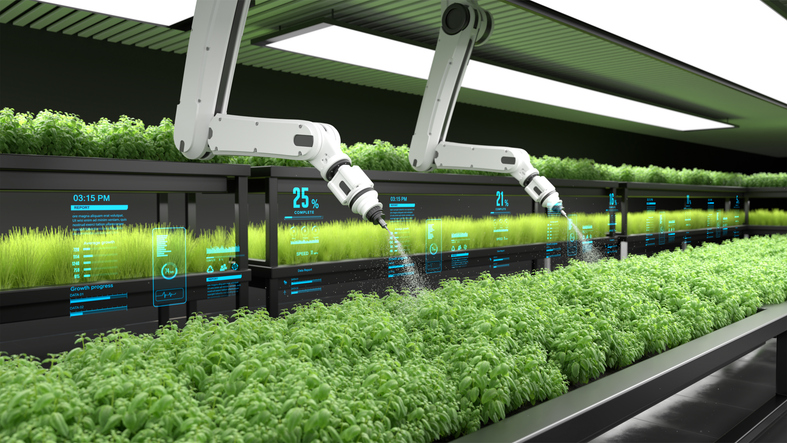
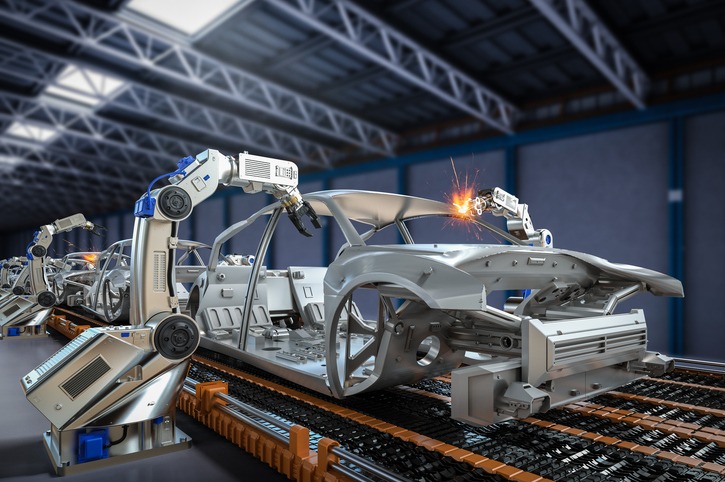
                <p>Texas automation spans a fast-growing robotics ecosystem and rapidly evolving agricultural technology. You’ll find collaborative robots transforming manufacturing while addressing labor shortages across <strong>Dallas-Fort Worth</strong> and <strong>Houston</strong>. In agriculture, more farms are using connected equipment and data tools, with adoption expected to keep climbing through the 2030s. Smart tractors, automated packing systems, and robotic harvesting platforms now support Texas’s massive agricultural economy. The integration of <strong>industrial robotics</strong> and <strong>precision farming</strong> continues reshaping the Lone Star State’s economic landscape.</p>
<h2>Texas Robotics: Current Industry Landscape and Market Position</h2>
<div class="post__iframe"><iframe loading="lazy" width="560" height="315" title="YouTube video player" src="https://www.youtube.com/embed/1mqyiU6KjwI?si=F4IuAdwCkZKhtbum" frameborder="0" allowfullscreen="allowfullscreen"></iframe></div>
<p>As Texas strengthens its position in the national industrial automation arena, the state’s robotics market has become an integral component of the broader U.S. landscape. You’ll find major corporations like <strong>Tesla</strong> and <strong>General Motors</strong> driving automation adoption across manufacturing facilities statewide. The state’s robotics infrastructure development benefits from strong academic research centers and cross-industry collaborations that foster innovation in specialized applications. Rather than hinging on one “Texas-only” market-share statistic, Texas’s importance shows up in where robots are being deployed—especially across <strong>automotive</strong>, <strong>electronics</strong>, and <strong>aerospace</strong> supply chains. Government support initiatives have accelerated <strong>Industry 4.0</strong> implementation, especially in industrial hubs like Houston and Dallas. This strategic backing, combined with private investment in <a href="https://texashappens.com/dell-technologies-how-texas-became-home-to-a-global-computing-powerhouse/">smart factory technologies</a>, positions Texas to capitalize on continued national growth in robotics and factory automation.</p>
<h2>Salary Trends for Industrial Robotics Workers Across the Lone Star State</h2>
<p>Texas’s burgeoning robotics market has created diverse employment opportunities with equally varied compensation packages. You’ll find substantial geographic salary disparities across major hubs, with <strong>Austin</strong> often trending higher than many other Texas metros depending on role and specialization. Experience dramatically influences earnings, with market ranges varying widely by employer, credentialing, and whether the job is technician, integrator, or engineer. Most workers cluster around mid-range pay bands, though top earners can break into six figures in specialized engineering and leadership roles. Contract work impacts compensation considerably, contributing to more pay variability in large metro markets. Machine operators typically earn less than controls engineers and robotics engineers, who command higher wages due to the skill requirements. The sector follows national growth trends, with robotics compensation generally moving upward with demand, specialization, and automation expansion. In practice, training and demonstrated hands-on competency often matter as much as job title when employers set pay.</p>
<h2>The Rise of Collaborative Robots in Texas Manufacturing</h2>
<p>Why are collaborative robots revolutionizing manufacturing floors across Texas? As the cobot market expands globally, you’ll find these machines transforming production environments while addressing labor shortages in key metros. Cobots are reshaping workforce transformation dynamics through:</p>
<ul>
<li aria-level="1"><strong>Safety-first design</strong> - 6-axis arms with force-limited features can reduce injury risks while often lowering the need for extensive safety fencing</li>
<li aria-level="1"><strong>Labor optimization</strong> - Workers shift from repetitive tasks to higher-skill operations, improving job satisfaction</li>
<li aria-level="1"><strong>Economic efficiency</strong> - SMEs increasingly adopt cobots to improve production quality and flexibility while reducing operational costs</li>
</ul>
<p>Local manufacturers can explore these innovations at regional trade events and vendor showcases held across North Texas and the Houston area. Despite their advantages, cobot safety considerations remain pivotal, requiring thorough risk assessments before implementation.</p>
<h2>Smart Farming Revolution: How Texas Agriculture Embraces Automation</h2>
<p>Across the vast agricultural landscape of Texas, a technological revolution quietly transforms traditional farming into a data-driven, increasingly automated enterprise. You’ll find more farms using connected machinery, sensors, and software dashboards to plan irrigation, fertilization, and harvest timing. Smart tractors and automated equipment can minimize resource use while boosting labor productivity. Real-time moisture sensors and AI-assisted management tools allow you to monitor multiple operations simultaneously through digital dashboards, helping farmers adapt to arid West Texas conditions more efficiently. This automation isn’t just about efficiency—it’s reshaping the industry’s structure. As some operations scale up, sustainability can improve through precision irrigation and variable-rate fertilization. The integration of robotic harvesting platforms and specialized grippers helps delicate crops receive consistent handling with less waste. Over time, automation continues moving from “pilot projects” to everyday farm workflows.</p>
<h2>Precision Agriculture Technologies Transforming Texas Farms</h2>
<blockquote class="instagram-media" style="background: #FFF; border: 0; border-radius: 3px; box-shadow: 0 0 1px 0 rgba(0,0,0,0.5),0 1px 10px 0 rgba(0,0,0,0.15); margin: 1px; max-width: 540px; min-width: 326px; padding: 0; width: calc(100% - 2px);" data-instgrm-permalink="https://www.instagram.com/p/C74O_CJulFf/?utm_source=ig_embed&amp;utm_campaign=loading" data-instgrm-version="14">
<div style="padding: 16px;"> 
<div style="display: flex; flex-direction: row; align-items: center;">
<div style="background-color: #f4f4f4; border-radius: 50%; flex-grow: 0; height: 40px; margin-right: 14px; width: 40px;"> </div>
<div style="display: flex; flex-direction: column; flex-grow: 1; justify-content: center;">
<div style="background-color: #f4f4f4; border-radius: 4px; flex-grow: 0; height: 14px; margin-bottom: 6px; width: 100px;"> </div>
<div style="background-color: #f4f4f4; border-radius: 4px; flex-grow: 0; height: 14px; width: 60px;"> </div>
</div>
</div>
<div style="padding: 19% 0;"> </div>
<div style="display: block; height: 50px; margin: 0 auto 12px; width: 50px;"> </div>
<div style="padding-top: 8px;">
<div style="color: #3897f0; font-family: Arial,sans-serif; font-size: 14px; font-style: normal; font-weight: 550; line-height: 18px;">View this post on Instagram</div>
</div>
<div style="padding: 12.5% 0;"> </div>
<div style="display: flex; flex-direction: row; margin-bottom: 14px; align-items: center;">
<div>
<div style="background-color: #f4f4f4; border-radius: 50%; height: 12.5px; width: 12.5px; transform: translateX(0px) translateY(7px);"> </div>
<div style="background-color: #f4f4f4; height: 12.5px; transform: rotate(-45deg) translateX(3px) translateY(1px); width: 12.5px; flex-grow: 0; margin-right: 14px; margin-left: 2px;"> </div>
<div style="background-color: #f4f4f4; border-radius: 50%; height: 12.5px; width: 12.5px; transform: translateX(9px) translateY(-18px);"> </div>
</div>
<div style="margin-left: 8px;">
<div style="background-color: #f4f4f4; border-radius: 50%; flex-grow: 0; height: 20px; width: 20px;"> </div>
<div style="width: 0; height: 0; border-top: 2px solid transparent; border-left: 6px solid #f4f4f4; border-bottom: 2px solid transparent; transform: translateX(16px) translateY(-4px) rotate(30deg);"> </div>
</div>
<div style="margin-left: auto;">
<div style="width: 0px; border-top: 8px solid #F4F4F4; border-right: 8px solid transparent; transform: translateY(16px);"> </div>
<div style="background-color: #f4f4f4; flex-grow: 0; height: 12px; width: 16px; transform: translateY(-4px);"> </div>
<div style="width: 0; height: 0; border-top: 8px solid #F4F4F4; border-left: 8px solid transparent; transform: translateY(-4px) translateX(8px);"> </div>
</div>
</div>
<div style="display: flex; flex-direction: column; flex-grow: 1; justify-content: center; margin-bottom: 24px;">
<div style="background-color: #f4f4f4; border-radius: 4px; flex-grow: 0; height: 14px; margin-bottom: 6px; width: 224px;"> </div>
<div style="background-color: #f4f4f4; border-radius: 4px; flex-grow: 0; height: 14px; width: 144px;"> </div>
</div>
 
<p style="color: #c9c8cd; font-family: Arial,sans-serif; font-size: 14px; line-height: 17px; margin-bottom: 0; margin-top: 8px; overflow: hidden; padding: 8px 0 7px; text-align: center; text-overflow: ellipsis; white-space: nowrap;"><a style="color: #c9c8cd; font-family: Arial,sans-serif; font-size: 14px; font-style: normal; font-weight: normal; line-height: 17px; text-decoration: none;" href="https://www.instagram.com/p/C74O_CJulFf/?utm_source=ig_embed&amp;utm_campaign=loading" target="_blank" rel="noopener">A post shared by Texas Society of Architects (@txarchitects)</a></p>
</div>
</blockquote>
<p>
<script async="" src="//www.instagram.com/embed.js"></script>
How drastically has technology reshaped farming in the Lone Star State? You’re witnessing a shift where precision agriculture strengthens Texas production through better targeting and better timing, with tech adoption rising unevenly by crop type and region. Texas farmers now leverage:</p>
<ul>
<li aria-level="1">GPS guidance and autosteering systems that improve accuracy while reducing overlap and fuel use</li>
<li aria-level="1">Drones and UAVs for crop monitoring, helping detect stress and pest pressure earlier through imaging</li>
<li aria-level="1">Predictive analytics and field models that simulate outcomes and support planning, especially in high-variability operations</li>
</ul>
<p>This robotics-enabled sustainability can reduce chemical use through targeted applications and optimize irrigation based on soil moisture data. That means better water stewardship while maintaining productivity across Texas’s diverse agroecosystems.</p>
<h2>Texas Universities Leading Robotics Innovation and Research</h2>
<blockquote class="instagram-media" style="background: #FFF; border: 0; border-radius: 3px; box-shadow: 0 0 1px 0 rgba(0,0,0,0.5),0 1px 10px 0 rgba(0,0,0,0.15); margin: 1px; max-width: 540px; min-width: 326px; padding: 0; width: calc(100% - 2px);" data-instgrm-permalink="https://www.instagram.com/p/DMG5l_6AZrl/?utm_source=ig_embed&amp;utm_campaign=loading" data-instgrm-version="14">
<div style="padding: 16px;"> 
<div style="display: flex; flex-direction: row; align-items: center;">
<div style="background-color: #f4f4f4; border-radius: 50%; flex-grow: 0; height: 40px; margin-right: 14px; width: 40px;"> </div>
<div style="display: flex; flex-direction: column; flex-grow: 1; justify-content: center;">
<div style="background-color: #f4f4f4; border-radius: 4px; flex-grow: 0; height: 14px; margin-bottom: 6px; width: 100px;"> </div>
<div style="background-color: #f4f4f4; border-radius: 4px; flex-grow: 0; height: 14px; width: 60px;"> </div>
</div>
</div>
<div style="padding: 19% 0;"> </div>
<div style="display: block; height: 50px; margin: 0 auto 12px; width: 50px;"> </div>
<div style="padding-top: 8px;">
<div style="color: #3897f0; font-family: Arial,sans-serif; font-size: 14px; font-style: normal; font-weight: 550; line-height: 18px;">View this post on Instagram</div>
</div>
<div style="padding: 12.5% 0;"> </div>
<div style="display: flex; flex-direction: row; margin-bottom: 14px; align-items: center;">
<div>
<div style="background-color: #f4f4f4; border-radius: 50%; height: 12.5px; width: 12.5px; transform: translateX(0px) translateY(7px);"> </div>
<div style="background-color: #f4f4f4; height: 12.5px; transform: rotate(-45deg) translateX(3px) translateY(1px); width: 12.5px; flex-grow: 0; margin-right: 14px; margin-left: 2px;"> </div>
<div style="background-color: #f4f4f4; border-radius: 50%; height: 12.5px; width: 12.5px; transform: translateX(9px) translateY(-18px);"> </div>
</div>
<div style="margin-left: 8px;">
<div style="background-color: #f4f4f4; border-radius: 50%; flex-grow: 0; height: 20px; width: 20px;"> </div>
<div style="width: 0; height: 0; border-top: 2px solid transparent; border-left: 6px solid #f4f4f4; border-bottom: 2px solid transparent; transform: translateX(16px) translateY(-4px) rotate(30deg);"> </div>
</div>
<div style="margin-left: auto;">
<div style="width: 0px; border-top: 8px solid #F4F4F4; border-right: 8px solid transparent; transform: translateY(16px);"> </div>
<div style="background-color: #f4f4f4; flex-grow: 0; height: 12px; width: 16px; transform: translateY(-4px);"> </div>
<div style="width: 0; height: 0; border-top: 8px solid #F4F4F4; border-left: 8px solid transparent; transform: translateY(-4px) translateX(8px);"> </div>
</div>
</div>
<div style="display: flex; flex-direction: column; flex-grow: 1; justify-content: center; margin-bottom: 24px;">
<div style="background-color: #f4f4f4; border-radius: 4px; flex-grow: 0; height: 14px; margin-bottom: 6px; width: 224px;"> </div>
<div style="background-color: #f4f4f4; border-radius: 4px; flex-grow: 0; height: 14px; width: 144px;"> </div>
</div>
 
<p style="color: #c9c8cd; font-family: Arial,sans-serif; font-size: 14px; line-height: 17px; margin-bottom: 0; margin-top: 8px; overflow: hidden; padding: 8px 0 7px; text-align: center; text-overflow: ellipsis; white-space: nowrap;"><a style="color: #c9c8cd; font-family: Arial,sans-serif; font-size: 14px; font-style: normal; font-weight: normal; line-height: 17px; text-decoration: none;" href="https://www.instagram.com/p/DMG5l_6AZrl/?utm_source=ig_embed&amp;utm_campaign=loading" target="_blank" rel="noopener">A post shared by Texas A&amp;M AgriLife (@tamuagrilife)</a></p>
</div>
</blockquote>
<p>
<script async="" src="//www.instagram.com/embed.js"></script>
While farmers harness technology in their fields, the brain trust behind Texas’s robotics momentum operates on university campuses throughout the state. UT Austin’s Texas Robotics integrates multiple labs focused on autonomy and human-robot interaction, while Texas A&amp;M’s robotics work spans multiple engineering departments and applied research centers. These institutions form an interconnected ecosystem where tomorrow’s automation experts develop skills in control theory, machine learning, and advanced materials. That talent pipeline helps keep Texas competitive in robotics innovation touching agriculture, industrial automation, medical devices, and logistics. You’ll also find specialized robotics education programs at University of Houston-Clear Lake and across the UT System that support industry upskilling. Meanwhile, programs at UT San Antonio and other campuses help translate research into practical applications for manufacturing and urban infrastructure.</p>
<h2>Employment Opportunities and Challenges in Texas Robotics Sector</h2>
<p>Despite Texas being a major employer for robotics and automation roles, the state presents a complex picture of opportunity and challenge for those seeking careers in the field. The market can be competitive, and postings can fluctuate based on capital investment cycles in manufacturing, energy, and logistics. If you’re considering a Texas robotics career, note these key factors:</p>
<ul>
<li aria-level="1"><strong>Salary variability</strong> - Pay can differ sharply by city, specialization, and whether you’re in integration, maintenance, or engineering</li>
<li aria-level="1"><strong>Training pathways</strong> - Technician and certification programs can provide faster entry points than engineering routes, depending on goals</li>
<li aria-level="1"><strong>Continuous learning</strong> - Evolving skills in PLCs, sensors, ROS, machine vision, and safety standards demand ongoing education</li>
</ul>
<p>However, several Texas cities offer strong opportunity density, especially where manufacturing, logistics, and research clusters overlap. In many roles, practical troubleshooting ability is the fastest way to stand out.</p>
<h2>Comparing Texas Robotics Growth to National and Global Trends</h2>
<p>Texas’s robotics landscape exists within a broader context of national and global automation trends, presenting both parallels and distinctions worth examining. While global markets move quickly, U.S. growth is often steadier and tied to reshoring, productivity goals, and labor constraints. You’ll find Texas leveraging regional automation incentives that mirror national pushes toward manufacturing efficiency, with a distinctive emphasis on energy-adjacent automation and large-scale logistics. The state’s investment drivers include strong electronics and automotive supply chains alongside agriculture-focused technology adoption. Texas companies increasingly adopt collaborative robots and AI-integrated systems, aligning with broader Industry 4.0 transformation. At the same time, workforce development and availability of integrators play a major role in how fast deployments scale.</p>
<h2>Key Industries Driving Robotics Adoption in Texas</h2>
<p>Several distinct sectors across the Lone Star State are powering the robotics revolution, with manufacturing, electronics, agriculture, and industrial automation leading the charge. You’ll find companies like <strong>Komatsu</strong> and <strong>John Deere</strong> pushing automation across equipment, logistics, and production support systems. State initiatives and workforce development programs can accelerate adoption, particularly for SMEs through manufacturing assistance and training resources. Workshops and regional modernization programs help businesses plan automation without relocating operations out of state. Three industries showing remarkable robotics integration:</p>
<ul>
<li aria-level="1">Advanced manufacturing, where automation supports output, consistency, and safety</li>
<li aria-level="1">Agriculture, where smart farming tools address labor needs while improving precision and sustainability</li>
<li aria-level="1">Electronics and industrial assembly, where robotics supports repeatability, inspection, and high-throughput production</li>
</ul>
<h2>Future Outlook: Texas Automation Beyond 2025</h2>
<p>The automation landscape in Texas is poised for continued transformation after 2025, with four key technological shifts reshaping industrial operations across the state. You’ll see more smart factory buildouts as large facilities adopt longer “dark” production windows with fewer manual handoffs. As labor shortages persist, cobots will become standard fixtures in manufacturing, creating new roles focused on maintenance, integration, and analytics. Remote process monitoring will evolve through AI integration with industrial IoT systems, supporting self-optimizing lines and more practical digital twins. The rollout of faster connectivity and private wireless networks will improve machine-to-machine communication, supporting tighter control loops for sensors, PLCs, and SCADA environments. Texas manufacturers embracing these technologies are positioned to gain advantages through flexibility, reduced downtime, and improved operational efficiency.</p>
            ]]>
        </content>
    </entry>
    <entry>
        <title>Austin’s Robotics Startups Revolutionizing Everyday Living</title>
        <author>
            <name>aRobotKR</name>
        </author>
        <link href="https://www.51syhz.com/austins-robotics-startups-revolutionizing-everyday-living/"/>
        <id>https://www.51syhz.com/austins-robotics-startups-revolutionizing-everyday-living/</id>
        <media:content url="https://www.51syhz.com/media/posts/457/Close-up-view-of-robot-arms-assembling-cars-in-car-factory.jpg" medium="image" />
            <category term="Robotics and AI Industry"/>

        <updated>2025-11-25T08:19:01-06:00</updated>
            <summary>
                <![CDATA[
                        <img src="https://www.51syhz.com/media/posts/457/Close-up-view-of-robot-arms-assembling-cars-in-car-factory.jpg" alt="" />
                    Austin's robotics startups are transforming daily life across multiple sectors. You'll find Moxi robots assisting healthcare staff in 200+ hospitals,&hellip;
                ]]>
            </summary>
        <content type="html">
            <![CDATA[
                    <p><img src="https://www.51syhz.com/media/posts/457/Close-up-view-of-robot-arms-assembling-cars-in-car-factory.jpg" class="type:primaryImage" alt="" /></p>
                <p>Austin's robotics startups are transforming daily life across multiple sectors. You'll find <b>Moxi</b> robots assisting healthcare staff in <b>200+ hospitals</b>, while <b>autonomous delivery pilots</b> with Uber Eats partners use compact sidewalk robots to bring orders to your doorstep.</p>
<p>Local companies are developing <b>cobots</b> that handle physically demanding work, letting humans focus on higher-value tasks. <b>Apptronik’s Apollo</b> humanoid platform, <b>Tesla’s</b> Gigafactory, and <b>Samsung’s</b> advanced chip facility in nearby Taylor together showcase how Greater Austin has become a center for <b>smart manufacturing</b> innovation.</p>
<h2>Austin's Rising Position as a Robotics Innovation Hub</h2>
<p>
<div class="post__iframe"><iframe loading="lazy" title="Working for a Robotics Startup vs Big Company Pros and Cons" src="https://www.youtube.com/embed/vYtLu542bMI" width="1349" height="480" frameborder="0" allowfullscreen="allowfullscreen"></iframe></div>
<p>While Silicon Valley has long dominated the tech landscape, Austin has rapidly emerged as one of America’s most dynamic robotics hubs. You'll find a thriving ecosystem where major employers invest in <a href="https://austinhappens.com/living-in-austins-tech-hub-a-guide-for-tech-workers/">AI, hardware, and advanced automation</a> alongside a growing startup scene.</p>
<p>The city’s tech workforce now represents <b>one of the highest shares</b> of total employment in the U.S., outpacing national averages. This growth is fueled by close collaboration between <b>UT Austin’s Texas Robotics</b> programs and local startups. Competitive compensation packages and quality of life make Austin increasingly attractive to top robotics talent.</p>
<p>The university’s <b>Texas Robotics</b> community is widely regarded for impactful research, with regular contributions to leading conferences such as <b>IEEE ICRA</b>.</p>
<p>Municipal pilot programs and industry partnerships help move innovations from research labs to market applications. With <b>Texas</b> ranking among the top states for advanced manufacturing and automation jobs, you're witnessing the rise of a significant technology center.</p>
<h2>Healthcare Revolution: How Local Startups Are Transforming Patient Care</h2>
<p>
Dozens of Austin-area robotics startups are improving healthcare delivery across Texas and beyond. <b>Diligent Robotics’ Moxi</b> now serves in more than two hundred hospitals, taking on non-patient tasks so nurses can focus on what matters most—your care. Founded in 2017, Diligent has become a leader in healthcare automation by building AI-powered assistants designed for hospital workflows.</p>
<p>Meanwhile, <b>Harmonic Bionics</b> advances physical therapy with robotic systems that make rehabilitation more precise and accessible.</p>
<p>These innovations are changing healthcare in four remarkable ways:</p>
<ul>
 	
<li aria-level="1">Autonomous robots traversing hospital hallways, delivering medications and supplies</li>
<li aria-level="1">Smart rehabilitation devices guiding precise movements for faster patient recovery</li>
<li aria-level="1">AI-assisted staffing and logistics tools supporting clinical teams when and where needed</li>
<li aria-level="1">Disinfection and environmental-services robots reducing pathogen exposure in care settings</li>
</ul>
<p>
Digital patient-monitoring systems complement these robotic solutions, creating a more <b>integrated, efficient, and patient-centered</b> approach to care.</p>
<h2>The Future of Delivery: Autonomous Solutions Reshaping Austin's Streets</h2>
<p>
Beyond hospital corridors, Austin’s robotics push now reaches city streets. You’ll notice <b>small delivery robots</b> operating in limited pilot zones—including downtown areas and near campuses—fulfilling app-based orders with 360-degree sensing for safety.</p>
<p>Initial restaurant partners are concentrated near test routes, with participation expected to expand as results and regulations evolve.</p>
<p>As policy frameworks mature, Austin is positioning itself as a proving ground for <b>autonomous delivery</b> technology. Public reception is cautiously positive, with many customers tracking their deliveries live via mobile apps.</p>
<p>Pilot pricing remains experimental, and competing models continue to test what works best for both diners and merchants.</p>
<h2>Human-Robot Collaboration: Augmenting Workforce Capabilities</h2>
<p>
As Austin’s industrial landscape evolves, collaborative robots—or <b>cobots</b>—are transforming workplaces across the region. You’ll find these technological partners increasingly integrated into manufacturing, logistics, and warehousing operations, where they ease labor bottlenecks while boosting productivity.</p>
<p>Human-robot integration creates powerful synergies by:</p>
<ul>
 	
<li aria-level="1">Lifting heavy components while humans handle precision assembly</li>
<li aria-level="1">Scanning inventory as workers focus on customer interactions</li>
<li aria-level="1">Performing repetitive tasks while employees make critical decisions</li>
<li aria-level="1">Transporting materials across facilities while staff manages operations</li>
</ul>
<p>
Worker reskilling programs have become essential as these collaborations reshape job requirements. With cobots handling physically demanding work, you're freed to develop <b>higher-value skills</b>. This shift represents not job replacement but job transformation—where judgment and adaptability combine with robotic consistency to create safer, more efficient workplaces.</p>
<p>Leading studies forecast that <b>machines will take on a growing share of routine tasks</b> over this decade, accelerating the need for robust collaboration strategies.</p>
<h2>Smart Manufacturing and Logistics: The Economic Engine Behind Austin's Tech Boom</h2>
<p>
Nearly every facet of Austin's manufacturing landscape is being upgraded through robotics and automation. You'll find this transformation powering the region's growth, with <b>Texas</b> standing among national leaders in manufacturing output.</p>
<p>Companies like <a href="https://austinhappens.com/elon-musk-austin-business-tycoon-revolutionizing-tech-space/"><b>Tesla’s Gigafactory</b></a> (employing tens of thousands) and <b>Samsung’s multi-billion-dollar semiconductor campus</b> in Taylor highlight Greater Austin’s global competitiveness in high-tech production. The integration of AI, data analytics, and smart machinery has created an ecosystem where predictive maintenance and real-time supply-chain visibility are standard. Many regional manufacturers are implementing <b>energy-efficient</b> systems to meet sustainability goals while cutting operating costs.</p>
<p>This shift demands sophisticated workforce training, which groups such as the <b>Austin Regional Manufacturers Association</b> actively support. The region’s position along the <b>I-35 corridor</b> further enhances its appeal for reshoring, as businesses shorten supply chains and tap Austin’s abundant engineering talent.</p>
<h2>Funding the Future: How Venture Capital Fuels Robotics Growth in Texas</h2>
<p>
The innovation transforming Austin’s factories and supply chains depends on strong financial backing. Specialized <b>hardware-savvy venture firms</b> and corporate venture groups are directing capital toward robotics companies across Texas.</p>
<p>You’ll find investment strategies evolving as Austin’s ecosystem matures:</p>
<ul>
 	
<li aria-level="1">Investors seek clear <b>commercial validation</b> before larger seed and Series A rounds</li>
<li aria-level="1">Sector-focused VCs provide hands-on expertise for complex hardware timelines</li>
<li aria-level="1">Portfolio support tools help startups allocate capital efficiently post-raise</li>
<li aria-level="1">VC networks accelerate pilots and customer access through strategic partnerships</li>
</ul>
<p>
Even with venture markets normalizing from 2021–2022 peaks, categories like <b>robotics, AI, greentech, and digital health</b> continue to attract significant funding in the region.</p>
<h2>Environmental and Social Impact of Austin's Robotics Ecosystem</h2>
<p>
Beyond technology and capital, Austin’s robotics surge delivers meaningful environmental and social benefits. Inspection and field-service robots—many drawing on research from <b>UT Austin’s Nuclear &amp; Applied Robotics Group</b>—reduce human exposure to hazardous environments while cutting fuel use and emissions across inspection cycles.</p>
<p>In agriculture, local teams deploy autonomous tools for <b>precision farming</b>, reducing chemical runoff and water waste. These advances complement sustainable mobility initiatives that reshape how you move through the city.</p>
<p>The social impact is equally significant. By removing people from dangerous tasks, robotics firms create safer workplaces and shift roles toward supervision, maintenance, and data analysis. Disaster-response and public-safety robots extend these benefits beyond industry, protecting communities and the environment during emergencies.</p>

            ]]>
        </content>
    </entry>
    <entry>
        <title>Texas-Built Robotics Kits You Can Buy and Build at Home</title>
        <author>
            <name>aRobotKR</name>
        </author>
        <link href="https://www.51syhz.com/texas-built-robotics-kits-you-can-buy-and-build-at-home/"/>
        <id>https://www.51syhz.com/texas-built-robotics-kits-you-can-buy-and-build-at-home/</id>
        <media:content url="https://www.51syhz.com/media/posts/456/texas-built-robotics-kits-you-can-buy-and-build-at-home.jpg" medium="image" />
            <category term="Robotics and AI Industry"/>

        <updated>2025-10-24T18:47:02-05:00</updated>
            <summary>
                <![CDATA[
                        <img src="https://www.51syhz.com/media/posts/456/texas-built-robotics-kits-you-can-buy-and-build-at-home.jpg" alt="" />
                    Texas offers impressive build-at-home robotics kits for all skill levels. You can assemble the TI-RSLK MAX with a solderless, step-by-step process (a typical&hellip;
                ]]>
            </summary>
        <content type="html">
            <![CDATA[
                    <p><img src="https://www.51syhz.com/media/posts/456/texas-built-robotics-kits-you-can-buy-and-build-at-home.jpg" class="type:primaryImage" alt="" /></p>
                <p>Texas offers impressive build-at-home robotics kits for all skill levels. You can assemble the <strong>TI-RSLK MAX</strong> with a <strong>solderless</strong>, step-by-step process (a typical first build takes <strong>about 1–2 hours</strong>, not minutes), while young learners (roughly <strong>ages 8–15</strong>) might prefer the <strong>True Robotics Pilot Kit</strong> with its <strong>150+ reusable pieces</strong>.</p>
<p>Both options feature <strong>beginner-friendly programming</strong> and <strong>expandable</strong> hardware. These kits turn abstract <strong>STEM</strong> ideas into hands-on learning while building <strong>problem-solving</strong> skills. Discover how these <strong>Texas-made</strong> or <strong>Texas-available</strong> solutions can launch your robotics journey.</p>
<h2>TI-RSLK MAX: The Solderless University-Level Robot Kit</h2>
<p>
https://www.youtube.com/watch?v=uI6YIF4yh_I</p>
<p>The <strong>TI-RSLK MAX</strong> gives college and advanced high-school learners a rapid entry into robotics with a <strong>solderless</strong> assembly workflow. You'll get a complete system powered by the <strong>SimpleLink MSP432P401R MCU LaunchPad</strong>, mounted on a <strong>Romi</strong> chassis (black deck, red wheels) with dual motors and <strong>encoders</strong>.</p>
<p>The kit integrates <strong>regulators</strong>, <strong>motor drivers</strong>, and <strong>sensor headers</strong> on its controller board, and includes a <strong>400-point breadboard</strong> on standoffs for quick prototyping. TI's hardware + curriculum pairing provides a clear path to learn <strong>embedded systems</strong> and <strong>robot design</strong> from the ground up.</p>
<p>An <strong>8-channel reflectance/line sensor array</strong> and <strong>bump sensors</strong> enable line following and obstacle-detection labs. The base bundle is expandable with optional <strong>IR distance sensors</strong> and <strong>wireless BoosterPacks</strong> (e.g., BLE) for more advanced projects.</p>
<h2>True Robotics Pilot Kit: STEM Learning for Young Texans</h2>
<blockquote class="instagram-media" style="background: #FFF; border: 0; border-radius: 3px; box-shadow: 0 0 1px 0 rgba(0,0,0,0.5),0 1px 10px 0 rgba(0,0,0,0.15); margin: 1px; max-width: 540px; min-width: 326px; padding: 0; width: calc(100% - 2px);" data-instgrm-captioned="" data-instgrm-permalink="https://www.instagram.com/p/DPyr_5Wgnov/?utm_source=ig_embed&amp;utm_campaign=loading" data-instgrm-version="14">
<div style="padding: 16px;">

<div style="display: flex; flex-direction: row; align-items: center;">
<div style="background-color: #f4f4f4; border-radius: 50%; flex-grow: 0; height: 40px; margin-right: 14px; width: 40px;"></div>
<div style="display: flex; flex-direction: column; flex-grow: 1; justify-content: center;">
<div style="background-color: #f4f4f4; border-radius: 4px; flex-grow: 0; height: 14px; margin-bottom: 6px; width: 100px;"></div>
<div style="background-color: #f4f4f4; border-radius: 4px; flex-grow: 0; height: 14px; width: 60px;"></div>
</div>
</div>
<div style="padding: 19% 0;"></div>
<div style="display: block; height: 50px; margin: 0 auto 12px; width: 50px;"></div>
<div style="padding-top: 8px;">
<div style="color: #3897f0; font-family: Arial,sans-serif; font-size: 14px; font-style: normal; font-weight: 550; line-height: 18px;">View this post on Instagram</div>
</div>
<div style="padding: 12.5% 0;"></div>
<div style="display: flex; flex-direction: row; margin-bottom: 14px; align-items: center;">
<div>
<div style="background-color: #f4f4f4; border-radius: 50%; height: 12.5px; width: 12.5px; transform: translateX(0px) translateY(7px);"></div>
<div style="background-color: #f4f4f4; height: 12.5px; transform: rotate(-45deg) translateX(3px) translateY(1px); width: 12.5px; flex-grow: 0; margin-right: 14px; margin-left: 2px;"></div>
<div style="background-color: #f4f4f4; border-radius: 50%; height: 12.5px; width: 12.5px; transform: translateX(9px) translateY(-18px);"></div>
</div>
<div style="margin-left: 8px;">
<div style="background-color: #f4f4f4; border-radius: 50%; flex-grow: 0; height: 20px; width: 20px;"></div>
<div style="width: 0; height: 0; border-top: 2px solid transparent; border-left: 6px solid #f4f4f4; border-bottom: 2px solid transparent; transform: translateX(16px) translateY(-4px) rotate(30deg);"></div>
</div>
<div style="margin-left: auto;">
<div style="width: 0px; border-top: 8px solid #F4F4F4; border-right: 8px solid transparent; transform: translateY(16px);"></div>
<div style="background-color: #f4f4f4; flex-grow: 0; height: 12px; width: 16px; transform: translateY(-4px);"></div>
<div style="width: 0; height: 0; border-top: 8px solid #F4F4F4; border-left: 8px solid transparent; transform: translateY(-4px) translateX(8px);"></div>
</div>
</div>
<div style="display: flex; flex-direction: column; flex-grow: 1; justify-content: center; margin-bottom: 24px;">
<div style="background-color: #f4f4f4; border-radius: 4px; flex-grow: 0; height: 14px; margin-bottom: 6px; width: 224px;"></div>
<div style="background-color: #f4f4f4; border-radius: 4px; flex-grow: 0; height: 14px; width: 144px;"></div>
</div>
<p>
&nbsp;</p>
<p style="color: #c9c8cd; font-family: Arial,sans-serif; font-size: 14px; line-height: 17px; margin-bottom: 0; margin-top: 8px; overflow: hidden; padding: 8px 0 7px; text-align: center; text-overflow: ellipsis; white-space: nowrap;"><a style="color: #c9c8cd; font-family: Arial,sans-serif; font-size: 14px; font-style: normal; font-weight: normal; line-height: 17px; text-decoration: none;" href="https://www.instagram.com/p/DPyr_5Wgnov/?utm_source=ig_embed&amp;utm_campaign=loading" target="_blank" rel="noopener">A post shared by True Robotics, Inc. (@truerobotics)</a></p>
</div>
</blockquote>
<p>
<script async src="//www.instagram.com/embed.js"></script></p>
<p>Designed for younger builders, the <strong>True Robotics Pilot Kit</strong> turns STEM into an engaging, hands-on experience with <strong>150+ reusable parts</strong> for home builds.</p>
<p>Learners program in a <strong>block-based</strong> environment usable on classroom or home devices, with no complicated setup. The kit's core electronics support <strong>sensor-driven</strong> activities (e.g., <strong>ultrasonic</strong> distance tasks) and progressive challenges aligned to <strong>upper-primary/middle-school</strong> STEM skills.</p>
<p>At around the <strong>mid-$300s</strong>, families gain access to <strong>guided lessons</strong>, coding challenges, and at-home experiments. Programming is supported over <strong>USB or Bluetooth</strong>, and nearly everything needed—<strong>except the computer/tablet</strong>—comes in the box for a smooth start.</p>
<h2>Texas-Made Robotics Solutions for Beginners and Hobbyists</h2>
<p>
Texas-based companies have helped make robotics more accessible. Alongside <strong>Texas Instruments (Dallas)</strong> for core electronics, the state is home to <strong>Innovation First International (VEX)</strong> in <strong>Greenville</strong>, whose VEX kits and <strong>VEX IQ</strong> platforms are popular with schools and clubs. Entry-level options start affordably, with more advanced sets (e.g., <strong>VEX EXP</strong>) offering metal frames, <strong>Arduino-/microcontroller-compatible</strong> ecosystems, and durable components.</p>
<p>These <strong>scalable</strong> kits provide friendly <strong>block-based</strong> tools as well as <strong>C/C++</strong> paths when learners are ready. As you progress, you can add <strong>sensors</strong>, <strong>motors</strong>, and specialized mechanisms. Texas libraries and <strong>makerspaces</strong> often host robotics meetups and lend gear, connecting newcomers with a supportive community.</p>
<h2>Educational Benefits of Home Robotics Assembly</h2>
<p>
Home robotics accelerates learning well beyond solder and screws. You'll watch theory become <strong>tangible</strong>, shifting from passive reading to <strong>active prototyping</strong> that sparks lasting curiosity.
Projects create real contexts for <strong>math</strong>, <strong>physics</strong>, and <strong>programming</strong>, while reinforcing <strong>critical thinking</strong> and <strong>debugging</strong> habits. As families build together, communication and <strong>collaboration</strong> strengthen too.</p>
<p>The at-home setting supports <strong>self-paced</strong> growth with instant feedback from the robot itself—motors spin, sensors trigger, and code changes come to life—building confidence and a durable <strong>engineering mindset</strong>.</p>
<h2>Comparing Texas Robotics Kits: Features and Applications</h2>
<p>
Texas offers a range of kits for different goals. The <strong>TI-RSLK</strong> line (Basic to MAX) emphasizes <strong>education</strong> with modular labs, <strong>line-following</strong> exercises, and a solderless MAX option. Its reflectance array detects surface contrast by measuring <strong>sensor discharge</strong> behavior.</p>
<p>For classroom clubs and competitions, Texas-rooted <strong>VEX IQ/EXP</strong> systems provide snap-together or metal builds with smart motors, rich <strong>sensor suites</strong>, and pathways from <strong>blocks to C/C++</strong>.</p>
<p>Beyond Texas brands, broader DIY options like <strong>Makeblock</strong> (aluminum frames) or <strong>UBTECH's</strong> <strong>Jimu</strong> kits (multi-hundred-piece builds) add variety for hobbyists. In youth programs, <strong>Texas 4-H</strong> widely supports robotics with <strong>VEX</strong> platforms and challenge-based learning across the state.</p>
<h2>Conclusion</h2>
<p>
You'll find Texas-built and Texas-grown robotics ecosystems offer something for everyone—from the <strong>curriculum-ready TI-RSLK MAX</strong> to <strong>youth-friendly</strong> kits ideal for first builds. Whether you're starting out or leveling up, these kits deliver hands-on learning that develops <strong>core STEM</strong> skills.</p>
<p>Compare features and ecosystems, then pick the <strong>Texas-tied</strong> solution that fits your budget and goals. And if you like a little state pride in the workshop, a low-key <a href="https://texascurated.com/apparel/"><strong>Texas tee</strong></a> makes a comfy build-day uniform.</p>
<p><strong>Start building today</strong> and enjoy the satisfaction of bringing your own robot to life.</p>

            ]]>
        </content>
    </entry>
    <entry>
        <title>DFW Maker Spaces with Robotics Clubs &amp; Events</title>
        <author>
            <name>aRobotKR</name>
        </author>
        <link href="https://www.51syhz.com/dfw-maker-spaces-with-robotics-clubs-and-events/"/>
        <id>https://www.51syhz.com/dfw-maker-spaces-with-robotics-clubs-and-events/</id>
        <media:content url="https://www.51syhz.com/media/posts/455/dfw-maker-spaces-with-robotics-clubs-events.jpg" medium="image" />
            <category term="Robotics Hobbies and Education"/>

        <updated>2025-10-22T02:56:54-05:00</updated>
            <summary>
                <![CDATA[
                        <img src="https://www.51syhz.com/media/posts/455/dfw-maker-spaces-with-robotics-clubs-events.jpg" alt="" />
                    Several DFW makerspaces offer robotics programming. Dallas Makerspace hosts the Dallas Personal Robotics Group (DPRG), one of the oldest continuously active hobbyist organizations, with regular meetings and&hellip;
                ]]>
            </summary>
        <content type="html">
            <![CDATA[
                    <p><img src="https://www.51syhz.com/media/posts/455/dfw-maker-spaces-with-robotics-clubs-events.jpg" class="type:primaryImage" alt="" /></p>
                <p>Several DFW makerspaces offer <strong>robotics</strong> programming. <strong>Dallas Makerspace</strong> hosts the <strong>Dallas Personal Robotics Group (DPRG)</strong>, one of the <strong>oldest continuously active</strong> hobbyist organizations, with regular meetings and friendly competitions. Community groups across DFW facilitate networking through public meetups, while <strong>UTDesign Makerspace</strong> supports student clubs like <strong>Comet Robotics</strong>.</p>
<p>In Fort Worth, local makerspaces and <strong>Tarrant County</strong> programs connect with nearby college initiatives. High school makerspaces also nurture future talent through student-led efforts and <strong>FIRST Robotics</strong> competitions. The following spaces welcome makers at all skill levels.</p>
<h2>Dallas Makerspace: Home of the Dallas Personal Robotics Group</h2>
<p>
https://www.youtube.com/watch?v=Woodzy9s9TM</p>
<p>While many maker communities come and go, the <strong>Dallas Personal Robotics Group (DPRG)</strong> stands as one of the longest-running hobbyist robotics organizations. Operating out of <strong>Dallas Makerspace</strong>, DPRG hosts monthly talks that often feature topics like <strong>ROS 2</strong> navigation stacks and open-source platforms such as <strong>Linorobot</strong>.</p>
<p>DPRG members organize annual and ad-hoc contests that provide a low-pressure alternative to large-scale competitions. Community partnerships extend to <a href="https://dfwhappens.com/perot-museum-of-nature-and-science-dallas/">local museums</a> and public demos that promote <strong>STEM</strong> education.</p>
<p>With dedicated lab space at the Makerspace, members develop projects ranging from mobile bots to small animatronics. The group traces its roots to the early 1980s as a special-interest community focused on personal robotics.</p>
<p>Whether you're dropping by a <strong>Robot Builders Night Out (RBNO)</strong> or teaming up on a collaborative build, DPRG offers a welcoming hub for robotics enthusiasts of all experience levels.</p>
<h2>DFW Makers Community: Fostering Collaboration in Robotics</h2>
<blockquote class="instagram-media" style="background: #FFF; border: 0; border-radius: 3px; box-shadow: 0 0 1px 0 rgba(0,0,0,0.5),0 1px 10px 0 rgba(0,0,0,0.15); margin: 1px; max-width: 540px; min-width: 326px; padding: 0; width: calc(100% - 2px);" data-instgrm-captioned="" data-instgrm-permalink="https://www.instagram.com/p/CTn8O-ULvIe/?utm_source=ig_embed&amp;utm_campaign=loading" data-instgrm-version="14">
<div style="padding: 16px;">

<div style="display: flex; flex-direction: row; align-items: center;">
<div style="background-color: #f4f4f4; border-radius: 50%; flex-grow: 0; height: 40px; margin-right: 14px; width: 40px;"></div>
<div style="display: flex; flex-direction: column; flex-grow: 1; justify-content: center;">
<div style="background-color: #f4f4f4; border-radius: 4px; flex-grow: 0; height: 14px; margin-bottom: 6px; width: 100px;"></div>
<div style="background-color: #f4f4f4; border-radius: 4px; flex-grow: 0; height: 14px; width: 60px;"></div>
</div>
</div>
<div style="padding: 19% 0;"></div>
<div style="display: block; height: 50px; margin: 0 auto 12px; width: 50px;"></div>
<div style="padding-top: 8px;">
<div style="color: #3897f0; font-family: Arial,sans-serif; font-size: 14px; font-style: normal; font-weight: 550; line-height: 18px;">View this post on Instagram</div>
</div>
<div style="padding: 12.5% 0;"></div>
<div style="display: flex; flex-direction: row; margin-bottom: 14px; align-items: center;">
<div>
<div style="background-color: #f4f4f4; border-radius: 50%; height: 12.5px; width: 12.5px; transform: translateX(0px) translateY(7px);"></div>
<div style="background-color: #f4f4f4; height: 12.5px; transform: rotate(-45deg) translateX(3px) translateY(1px); width: 12.5px; flex-grow: 0; margin-right: 14px; margin-left: 2px;"></div>
<div style="background-color: #f4f4f4; border-radius: 50%; height: 12.5px; width: 12.5px; transform: translateX(9px) translateY(-18px);"></div>
</div>
<div style="margin-left: 8px;">
<div style="background-color: #f4f4f4; border-radius: 50%; flex-grow: 0; height: 20px; width: 20px;"></div>
<div style="width: 0; height: 0; border-top: 2px solid transparent; border-left: 6px solid #f4f4f4; border-bottom: 2px solid transparent; transform: translateX(16px) translateY(-4px) rotate(30deg);"></div>
</div>
<div style="margin-left: auto;">
<div style="width: 0px; border-top: 8px solid #F4F4F4; border-right: 8px solid transparent; transform: translateY(16px);"></div>
<div style="background-color: #f4f4f4; flex-grow: 0; height: 12px; width: 16px; transform: translateY(-4px);"></div>
<div style="width: 0; height: 0; border-top: 8px solid #F4F4F4; border-left: 8px solid transparent; transform: translateY(-4px) translateX(8px);"></div>
</div>
</div>
<div style="display: flex; flex-direction: column; flex-grow: 1; justify-content: center; margin-bottom: 24px;">
<div style="background-color: #f4f4f4; border-radius: 4px; flex-grow: 0; height: 14px; margin-bottom: 6px; width: 224px;"></div>
<div style="background-color: #f4f4f4; border-radius: 4px; flex-grow: 0; height: 14px; width: 144px;"></div>
</div>
<p>
&nbsp;</p>
<p style="color: #c9c8cd; font-family: Arial,sans-serif; font-size: 14px; line-height: 17px; margin-bottom: 0; margin-top: 8px; overflow: hidden; padding: 8px 0 7px; text-align: center; text-overflow: ellipsis; white-space: nowrap;"><a style="color: #c9c8cd; font-family: Arial,sans-serif; font-size: 14px; font-style: normal; font-weight: normal; line-height: 17px; text-decoration: none;" href="https://www.instagram.com/p/CTn8O-ULvIe/?utm_source=ig_embed&amp;utm_campaign=loading" target="_blank" rel="noopener">A post shared by UTDesign Makerspace (@utdmakerspace)</a></p>
</div>
</blockquote>
<p>
<script async src="//www.instagram.com/embed.js"></script></p>
<p>The wider DFW maker scene extends beyond DPRG, creating a network of creators and innovators. This diverse collective brings together artists, programmers, hardware hackers, and DIY builders focused on <strong>collaborative</strong> projects.</p>
<p>You'll find recurring events—from 3D-printing meetups to open-house <strong>maker</strong> fundraisers—that support continuing learning. Inclusion sits at the core of many groups' philosophy, with public meetups designed for networking and knowledge exchange among robotics enthusiasts.</p>
<p>The community excels at <strong>multidisciplinary</strong> builds, encouraging crossover between robotics, electronics, and fabrication. On campus, <strong>UTDesign Makerspace</strong> regularly supports <strong>Comet Robotics</strong> club activities and kickoff events each academic year.</p>
<h2>Tarrant County Makerspace: Growing Robotics Opportunities in Fort Worth</h2>
<p>
Fort Worth's maker ecosystem continues to grow, with spaces offering <strong>robotics</strong> equipment, workbenches, and collaborative environments where you can build and program robots alongside peers.</p>
<p>Local groups maintain ties with <strong>Tarrant County College</strong> programs in robotics/automation, creating pathways to careers as technicians and operators of automated systems. These regional collaborations link hobbyists with professionals, strengthening Fort Worth's position as an <strong>emerging robotics hub</strong>.</p>
<p>Whether you're into electronics, microcontrollers, or entry-level automation, you can access resources that bridge coursework with hands-on maker experiences—while developing practical troubleshooting and build skills valued in today's technology landscape.</p>
<h2>High School Makerspaces: Building the Next Generation of Roboticists</h2>
<p>
High school makerspaces across DFW have become incubators for tomorrow's talent, extending the innovation culture into <strong>K–12</strong> settings. Many school libraries host makerspace activities, where librarians, teachers, and mentors guide robotics clubs and fabrication workshops.</p>
<p>Student-led robotics initiatives thrive in these environments, with many teams participating in <strong>FIRST Robotics</strong> programs that engage <strong>hundreds of thousands</strong> of students worldwide each season. These programs foster key STEM skills through hands-on projects—like building <strong>~120–125 lb</strong> competition robots for FRC—alongside coding and design in FTC and FLL.</p>
<p>School–community partnerships further strengthen these efforts, connecting classroom learning with workforce needs and creating pathways to technical careers. You'll find these spaces bridging traditional coursework with <strong>real-world</strong> engineering experiences.</p>
<h2>STEM Education Resources: Maker Programs Supporting Robotics Skills</h2>
<p>
Across the DFW metroplex, robust <strong>STEM</strong> resources support developing robotics skills for learners of all ages. Maker programs integrate hands-on builds that enhance <strong>critical thinking</strong>, problem-solving, and teamwork.</p>
<p>After-school robotics clubs provide structured environments where students apply theory to practical challenges, often improving engagement with STEM subjects. Community-based programs help expand access, offering opportunities across diverse neighborhoods. Many initiatives intentionally create <strong>welcoming</strong> environments for girls and underrepresented students, encouraging more Texans to explore robotics and engineering pathways.</p>
<p>As interest grows, maker spaces serve as indispensable supplemental resources—linking pre-college learners with mentors, prototyping tools, and competitions that make engineering concepts <strong>tangible</strong>.</p>
<h2>Conclusion</h2>
<p>
You'll find DFW's maker community thriving with <strong>robotics</strong> opportunities for all skill levels. Whether you're joining <strong>DPRG</strong> meetups at Dallas Makerspace, collaborating at community spaces, or introducing your kids to <strong>STEM</strong> clubs, there's a place for your interests.</p>
<p>Don't wait to jump in—these spaces offer the tools, guidance, and connections you need to turn robotics ideas into reality.</p>

            ]]>
        </content>
    </entry>
    <entry>
        <title>Performance vs. Aesthetics in the JavaScript Charting Dilemma</title>
        <author>
            <name>aRobotKR</name>
        </author>
        <link href="https://www.51syhz.com/performance-vs-aesthetics-in-the-javascript-charting-dilemma/"/>
        <id>https://www.51syhz.com/performance-vs-aesthetics-in-the-javascript-charting-dilemma/</id>
        <media:content url="https://www.51syhz.com/media/posts/454/Performance-vs.-Aesthetics-in-the-JavaScript-Charting-Dilemma.jpg" medium="image" />
            <category term="Blog"/>

        <updated>2024-12-20T15:24:29-06:00</updated>
            <summary>
                <![CDATA[
                        <img src="https://www.51syhz.com/media/posts/454/Performance-vs.-Aesthetics-in-the-JavaScript-Charting-Dilemma.jpg" alt="" />
                    JavaScript charts have become pillar of data visualisation in the field of current web development. Their unmatched dynamic data display&hellip;
                ]]>
            </summary>
        <content type="html">
            <![CDATA[
                    <p><img src="https://www.51syhz.com/media/posts/454/Performance-vs.-Aesthetics-in-the-JavaScript-Charting-Dilemma.jpg" class="type:primaryImage" alt="" /></p>
                <p>JavaScript charts have become pillar of data visualisation in the field of current web development. Their unmatched dynamic data display quality spans dashboards, analytics tools, and interactive presentations. Making good JavaScript charts, however, sometimes leaves one wondering: should performance or aesthetics take front stage? Finding the ideal balance between the two may be difficult, especially if one is trying to satisfy both technical criteria and consumer expectations.</p>
<h2>The Core of the Dilemma</h2>
<p>
The dilemma of performance versus aesthetics in JavaScript charting arises primarily because both aspects demand significant resources. Performance-focused charts prioritize speed, efficiency, and responsiveness. These charts handle large datasets seamlessly, ensuring that users experience minimal latency and interruptions, even on resource-constrained devices. On the other hand, aesthetically rich charts are designed to captivate users with visually engaging designs, intricate animations, and custom styling, creating a memorable user experience.</p>
<p>In many cases, focusing on one aspect often comes at the expense of the other. Highly optimized charts may lack the visual appeal required to engage users, while aesthetically rich charts can slow down when dealing with complex datasets or rendering on lower-end devices.</p>
<p>A developer from SciChart, a company known for its expertise in high-performance JavaScript charting, comments: “The challenge isn’t just about creating a chart; it’s about meeting the user’s expectations while ensuring the technology can scale. Developers need to consider not just what looks good but what actually works, especially under pressure from real-world datasets.”</p>
<h2>Performance in JavaScript Charts</h2>
<p>
Performance in <a href="https://www.scichart.com/javascript-chart-features/">JavaScript charts</a> refers to how efficiently they render data, respond to interactions, and adapt to various environments. With datasets growing larger and users expecting instantaneous feedback, performance has become a critical metric. For instance, charts in financial applications must display real-time data updates without lag, as even a minor delay can impact trading decisions. Similarly, scientific applications may require rendering millions of data points, which demands robust optimization techniques.</p>
<p>Key factors influencing performance include:</p>
<p>Rendering Techniques: JavaScript charts typically use HTML5’s &lt;canvas&gt; or &lt;svg&gt; elements for rendering. While &lt;canvas&gt; is better suited for rendering large datasets due to its pixel-based drawing method, &lt;svg&gt; provides cleaner, scalable graphics but can become sluggish with increased data complexity.</p>
<p>Data Processing: Pre-processing and optimizing data before rendering can dramatically improve performance. Techniques such as data aggregation, sampling, and lazy loading ensure that charts remain responsive, even when dealing with extensive datasets.</p>
<p>Hardware Acceleration: Leveraging WebGL, a technology that utilizes GPU acceleration for rendering, can significantly boost the performance of JavaScript charts. WebGL enables smoother animations and faster rendering, especially for 3D or high-density visualizations.</p>
<p>Interactivity: Features like zooming, panning, and tooltips add complexity to JavaScript charts. Ensuring these interactions remain smooth requires efficient event handling and optimization.</p>
<h2>The Importance of Aesthetics</h2>
<p>
While performance forms the backbone of effective JavaScript charting, aesthetics play an equally crucial role in enhancing user engagement and comprehension. A visually appealing chart does more than just display data; it tells a story, helping users interpret complex information with ease. In fields like marketing, education, and product design, aesthetics often take precedence, as they directly impact user retention and satisfaction.</p>
<p>Elements of aesthetics include:</p>
<p>Design Consistency: Charts should align with the overall design language of the application, using consistent fonts, colours, and styles to ensure a cohesive user experience.</p>
<p>Interactivity and Animations: Smooth transitions, hover effects, and animations add a dynamic quality to charts, making them more engaging and intuitive.</p>
<p>Customization: Allowing users to customize chart appearances can improve usability and cater to diverse preferences.</p>
<p>However, focusing excessively on aesthetics can lead to bloated codebases and increased rendering times, especially when animations or custom designs are resource-intensive.</p>
<h3>Finding the Balance</h3>
<p>
Balancing performance and aesthetics in JavaScript charts requires careful consideration of the project’s goals and audience. Here are several approaches developers use to achieve this balance:</p>
<h3>Prioritize According to Context</h3>
<p>
Understanding the context in which a chart will be used is essential. For instance, financial and scientific applications often prioritize performance due to the need for real-time data rendering and analysis. In contrast, marketing dashboards or presentation tools may lean towards aesthetics to captivate and engage viewers.</p>
<h3>Adopt Modular Design</h3>
<p>
A modular approach allows developers to add or remove features based on user requirements. For example, instead of including animations for all charts, developers can provide them as optional features. This approach minimizes unnecessary performance overhead while offering flexibility.</p>
<h3>Leverage Hybrid Rendering</h3>
<p>
Hybrid rendering combines &lt;canvas&gt; and &lt;svg&gt; elements to optimize both performance and aesthetics. For instance, developers can use &lt;canvas&gt; for plotting large datasets while using &lt;svg&gt; for annotations or labels, ensuring clarity without compromising speed.</p>
<h3>Optimize Aesthetic Elements</h3>
<p>
Streamlining aesthetic elements such as animations and transitions can significantly enhance performance. For example, reducing animation duration or simplifying complex effects can provide a balance between visual appeal and efficiency.</p>
<h2>The Role of JavaScript Charting Libraries</h2>
<p>
JavaScript charting libraries play a pivotal role in addressing the performance-aesthetics dilemma. Modern libraries such as D3.js, Chart.js, and SciChart offer a range of tools and customization options to cater to diverse requirements. Each library has its strengths, making it essential to choose one based on the project’s specific needs.</p>
<p>D3.js: Known for its flexibility, D3.js allows developers to create highly customized charts. However, this flexibility comes with a steeper learning curve and requires careful optimization for large datasets.</p>
<p>Chart.js: Ideal for quick implementations, Chart.js provides a range of pre-designed chart types. While aesthetically pleasing, it may struggle with performance when handling extensive datasets.</p>
<p>SciChart: Designed for high-performance applications, SciChart excels in rendering large datasets and supporting real-time updates. It combines advanced rendering techniques with a focus on usability, making it suitable for performance-critical projects.</p>
<p>The choice of library often depends on the project’s priorities. For example, a data-intensive application may benefit from SciChart’s performance optimizations, while a visually rich presentation may favour D3.js or Chart.js for their design capabilities.</p>
<h2>Future Trends and Innovations</h2>
<p>
As technology advances, the performance-aesthetics dilemma in JavaScript charting continues to evolve. Emerging trends and innovations are reshaping the landscape, offering new solutions to longstanding challenges.</p>
<h2>AI and Automation</h2>
<p>
Artificial intelligence (AI) is beginning to play a role in optimizing JavaScript charts. AI-driven tools can automatically suggest or implement optimizations, such as selecting the most efficient rendering method or adjusting aesthetic elements to suit performance constraints.</p>
<h2>Progressive Rendering</h2>
<p>
Progressive rendering techniques, which prioritize the most critical data points while loading the rest in the background, are becoming increasingly popular. This approach ensures that users can interact with charts almost immediately, even when dealing with large datasets.</p>
<h2>Cross-Platform Compatibility</h2>
<p>
With the rise of cross-platform applications, ensuring JavaScript charts perform consistently across devices is more important than ever. Libraries are now integrating adaptive rendering techniques to deliver optimal performance and aesthetics on both high-end and low-end devices.</p>
<h2>Focus on Accessibility</h2>
<p>
Aesthetics and performance must also align with accessibility standards. Features such as screen reader compatibility, keyboard navigation, and high-contrast modes are becoming standard in modern charting tools, ensuring inclusivity without compromising performance.</p>
<h2>Conclusion</h2>
<p>
The performance-aesthetics dilemma in JavaScript charting reflects the broader challenge of balancing technical efficiency with user-centric design. Developers must navigate this complex trade-off by considering the context of their projects, leveraging modern tools, and adopting innovative solutions.</p>
<p>Ultimately, the goal is to create JavaScript charts that are not only functional but also engaging and accessible. While the balance may vary depending on the application, the importance of understanding and addressing this dilemma remains constant. By staying informed and adaptable, developers can continue to push the boundaries of what is possible in data visualization.</p>

            ]]>
        </content>
    </entry>
    <entry>
        <title>The Evolution of Robot Hardware: From Simple Mechanisms to Complex Systems</title>
        <author>
            <name>aRobotKR</name>
        </author>
        <link href="https://www.51syhz.com/the-evolution-of-robot-hardware-from-simple-mechanisms-to-complex-systems/"/>
        <id>https://www.51syhz.com/the-evolution-of-robot-hardware-from-simple-mechanisms-to-complex-systems/</id>
        <media:content url="https://www.51syhz.com/media/posts/441/advancing_robot_hardware_complexity.jpg" medium="image" />
            <category term="Robot Hardware"/>

        <updated>2024-11-15T13:25:09-06:00</updated>
            <summary>
                <![CDATA[
                        <img src="https://www.51syhz.com/media/posts/441/advancing_robot_hardware_complexity.jpg" alt="" />
                    You'll find that robot hardware has transformed remarkably, moving from simple gears and pulleys in early mechanical automatons to complex&hellip;
                ]]>
            </summary>
        <content type="html">
            <![CDATA[
                    <p><img src="https://www.51syhz.com/media/posts/441/advancing_robot_hardware_complexity.jpg" class="type:primaryImage" alt="" /></p>
                <p>You'll find that <strong>robot hardware</strong> has transformed remarkably, moving from simple gears and pulleys in early mechanical automatons to <strong>complex systems</strong> infused with AI. Initially, automatons were cultural marvels, but as <strong>industrial robots</strong> emerged, they changed the landscape of manufacturing. Advances in <strong>sensor technology</strong> enhanced robots' perceptiveness, while microprocessors enabled complex tasks. AI further altered robots into <strong>intelligent entities</strong>, capable of learning and adapting. Hardware innovations like actuator design and miniaturization have expanded robots' capabilities into everyday life. Looking ahead, the evolution continues, promising improvements and exciting possibilities that you won't want to miss.</p>
<h2>Early Mechanical Automatons</h2>
<p>
Imagine the <strong>intricate gears and pulleys</strong> of <strong>early mechanical automatons</strong>. You've just stepped into a world where ancient inventions laid the groundwork for modern robotics. Mechanical puppets, driven by clockwork devices, fascinated societies, weaving themselves into the fabric of automaton history. They served not only as <strong>technological marvels</strong> but also as <strong>philosophical provocations</strong>, questioning the essence of life and consciousness. These early robotics examples were more than mere curiosities; they were artistic expressions that held significant cultural importance.</p>
<p>In examining historical timelines, you see the progression from simple mechanisms to more complex systems. Each creation presented unique <strong>engineering challenges</strong>. Craftsmen had to carefully design and build components that worked in harmony to simulate <strong>lifelike movements</strong>. These early automatons weren't just toys; they were <strong>masterpieces of innovation</strong> and skill that pushed the boundaries of what was possible at the time.</p>
<p>Every piece reflected the <strong>cultural significance</strong> attached to them, serving as symbols of power and intellect. As you investigate these ancient inventions, you'll appreciate how they set the stage for the <strong>sophisticated machines</strong> we encounter today. Each automaton was a stepping stone in the evolution of technology, marking humanity's fascination with mimicking life through mechanical means.</p>
<h2>The Rise of Industrial Robots</h2>
<p>
As the 20th century unfolded, <strong>industrial robots</strong> emerged as <strong>transformative forces</strong> in manufacturing. You began noticing the shift as companies adopted a robotic workforce to improve <strong>manufacturing efficiency</strong>. <strong>Automation benefits</strong> became apparent with tasks being executed faster and more accurately than humans could manage. This shift led to significant cost reduction and production scalability, allowing companies to produce more at lower prices.</p>
<p>However, with these advancements, <strong>labor displacement</strong> became a concern. Many feared that robots would lead to <strong>job losses</strong>, but they also created <strong>new opportunities</strong> in robot maintenance and programming. You saw job creation in sectors focusing on technological adoption, proving that while some roles vanished, others evolved.</p>
<p>Safety improvements were another critical advantage. Robots took over dangerous tasks, reducing workplace accidents and improving general safety. Meanwhile, the impacts on the <strong>supply chain</strong> were profound. With robots ensuring consistent quality and speed, supply chains became more reliable and efficient.</p>
<p>You witnessed a transformation in how industries operated, acknowledging the crucial role of industrial robots. Their rise wasn't just about replacing human labor but reshaping the workforce and setting new standards for <strong>productivity and safety</strong>.</p>
<h2>Advances in Sensor Technology</h2>
<div class="body-image-wrapper" style="margin-bottom: 20px;"><img decoding="async" loading="lazy" src="https://www.51syhz.com/media/posts/441/innovative_developments_in_sensors.jpg" alt="innovative developments in sensors" height="100%"  sizes="(max-width: 48em) 100vw, 100vw" srcset="https://www.51syhz.com/media/posts/441/responsive/innovative_developments_in_sensors-xs.jpg 300w ,https://www.51syhz.com/media/posts/441/responsive/innovative_developments_in_sensors-sm.jpg 480w ,https://www.51syhz.com/media/posts/441/responsive/innovative_developments_in_sensors-md.jpg 768w"></div>
<p>
In recent years, advances in <strong>sensor technology</strong> have dramatically improved the capabilities of <strong>robots</strong>, making them more perceptive and adaptable. You can now find robots equipped with sophisticated <strong>sensor fusion systems</strong> that combine data from multiple sources, augmenting <strong>environmental perception</strong> and <strong>spatial awareness</strong>. This multi-modal sensing approach allows robots to better interpret their surroundings and adjust their actions accordingly.</p>
<p>Haptic feedback has also become a significant development, enabling robots to 'feel' their environment. This sensory integration allows for more precise <strong>object manipulation</strong> and handling, giving robots an edge in tasks requiring delicate touch. Advances in <strong>wireless communication</strong> facilitate seamless data exchange between sensors and robots, ensuring that sensory data is processed in <strong>real-time</strong>.</p>
<p>Object recognition has seen significant improvement, allowing robots to identify and interact with diverse items more efficiently. <strong>Adaptive sensing technologies</strong> enable robots to adjust their sensory input based on the task at hand, optimizing their performance in dynamic environments. The integration of these technologies means that robots can now perform complex tasks with ease, thanks to enhanced data processing capabilities. As sensor technology continues to evolve, you'll witness even more sophisticated robotic systems emerging.</p>
<h2>Integration of Microprocessors</h2>
<p>
Building on the advancements in <strong>sensor technology</strong>, the integration of <strong>microprocessors</strong> has transformed <strong>robotic capabilities</strong> even further. You now have robots that can perform <strong>complex tasks</strong> with remarkable efficiency. Microprocessor architecture is essential in determining how these robotic systems process information. By selecting the right architecture, you guarantee your robot can handle multiple tasks simultaneously, increasing its versatility and performance.</p>
<p>Incorporating microprocessors into <strong>embedded systems</strong> allows you to create robots with <strong>specialized functions</strong>. These systems are designed to manage specific operations within a robot, making them more efficient and dependable. You benefit from the compact size and reduced <strong>power consumption</strong> of embedded systems, which are crucial for mobile and autonomous robots. With the right microprocessor, you can optimize your robot's performance, adapting it to specific environments or tasks.</p>
<p>Microprocessors enable <strong>real-time processing</strong>, which is critical for applications requiring immediate responses. You can program these processors to make <strong>instantaneous decisions</strong>, enhancing the robot's ability to interact with its surroundings. As you integrate microprocessors into robotic systems, you're not just improving their hardware; you're transforming their potential, making them smarter, faster, and more capable of handling complex tasks autonomously.</p>
<h2>Emergence of Artificial Intelligence</h2>
<div class="body-image-wrapper" style="margin-bottom: 20px;"><img decoding="async" loading="lazy" src="https://www.51syhz.com/media/posts/441/rise_of_intelligent_machines.jpg" alt="rise of intelligent machines" height="100%"  sizes="(max-width: 48em) 100vw, 100vw" srcset="https://www.51syhz.com/media/posts/441/responsive/rise_of_intelligent_machines-xs.jpg 300w ,https://www.51syhz.com/media/posts/441/responsive/rise_of_intelligent_machines-sm.jpg 480w ,https://www.51syhz.com/media/posts/441/responsive/rise_of_intelligent_machines-md.jpg 768w"></div>
<p>
With the rise of artificial intelligence, robots are becoming not just efficient machines but intelligent entities capable of learning and adapting. This transformation is driven by advances in machine learning and cognitive computing. You see robots equipped with neural networks that allow them to process complex data and perform tasks previously unimaginable. They're learning through reinforcement learning techniques, which help them improve decision making abilities over time.</p>
<p>Imagine interacting with a robot that understands your natural language commands, processes them, and responds accurately. It's all made possible through sophisticated perception systems that enable robots to interpret and engage with their environment effectively. These systems allow for smoother human-robot interaction, making robots valuable companions in diverse settings.</p>
<p>Here's what AI brings to robot hardware:</p>
<ul>
 	
<li><strong>Adaptive Learning</strong>: Robots can learn from experiences and refine their actions.</li>
<li><strong>Enhanced Perception</strong>: They interpret sensory data for better environmental understanding.</li>
<li><strong>Natural Communication</strong>: They comprehend and respond to human language more naturally.</li>
<li><strong>Improved Decision Making</strong>: Algorithms allow for smarter, context-aware choices.</li>
</ul>
<h2>Development of Autonomous Systems</h2>
<p>
Autonomous systems are transforming the way robots operate by granting them unprecedented independence in performing tasks. You'll notice how <strong>sensor fusion</strong> plays an essential role in enhancing <strong>perception systems</strong>, allowing robots to interpret their environment more accurately. This capability is vital for <strong>navigation algorithms</strong>, which help robots move efficiently and safely. As you investigate deeper, you'll see that <strong>swarm intelligence</strong> enables groups of robots to work collaboratively, improving task automation and problem-solving efficiency.</p>
<p>Autonomous decision making is another cornerstone, giving robots the ability to make informed choices without human intervention. However, this brings up important discussions about <strong>robot ethics</strong>. How do you guarantee these systems make ethical decisions? It's a significant consideration as robots become more integrated into daily life.</p>
<p>Human robot interaction is also evolving, focusing on creating seamless communication between people and machines. This interaction must prioritize <strong>safety protocols</strong> to prevent accidents and establish trust. Furthermore, robots need <strong>environmental adaptability</strong> to function effectively in diverse settings, from homes to factories.</p>
<p>As you examine the development of <strong>autonomous systems</strong>, you'll understand that achieving balance in these areas is key to releasing robots' full potential while guaranteeing they act responsibly and effectively.</p>
<h2>Innovations in Actuator Design</h2>
<div class="body-image-wrapper" style="margin-bottom: 20px;"><img decoding="async" loading="lazy" src="https://www.51syhz.com/media/posts/441/advancements_in_actuator_technology.jpg" alt="advancements in actuator technology" height="100%"  sizes="(max-width: 48em) 100vw, 100vw" srcset="https://www.51syhz.com/media/posts/441/responsive/advancements_in_actuator_technology-xs.jpg 300w ,https://www.51syhz.com/media/posts/441/responsive/advancements_in_actuator_technology-sm.jpg 480w ,https://www.51syhz.com/media/posts/441/responsive/advancements_in_actuator_technology-md.jpg 768w"></div>
<p>
In relation to innovations in actuator design, you'll find that these developments have markedly advanced robotic movement and efficiency. Actuators are like muscles for robots, and recent advances make them more adaptable and efficient. Soft actuators, for example, use materials that mimic biological tissues, allowing for smoother and safer interactions with humans. This is vital in applications where robots need to handle delicate objects or work alongside people. By incorporating bio-inspired designs, you can create robots that move more naturally and precisely.</p>
<p>Some key innovations include:</p>
<ul>
 	
<li><strong>Modular actuators</strong>: These allow you to easily modify and customize robots, enhancing versatility and reducing development time.</li>
<li><strong>Energy efficiency</strong>: New designs focus on minimizing power consumption, which extends the operational life of robots and reduces environmental impact.</li>
<li><strong>Shape memory and smart materials</strong>: These materials can change form or properties in response to stimuli, enabling more dynamic and adaptable robotic functions.</li>
<li><strong>Fluidic actuators</strong>: Utilizing fluid power, these actuators provide precise control and tactile feedback, essential for tasks requiring fine motor skills.</li>
</ul>
<h2>Miniaturization and Nanotechnology</h2>
<p>
As <strong>robotic movement</strong> becomes more advanced through cutting-edge actuator designs, the focus now shifts to making robots even smaller and more efficient through <strong>miniaturization</strong> and <strong>nanotechnology</strong>. You're entering an exciting phase where <strong>nanofabrication techniques</strong> are pushing the boundaries of what's possible. By using these techniques, you can create incredibly small components, allowing robots to perform tasks on a <strong>microscopic scale</strong>. This opens up new possibilities in fields like medicine, where tiny robots could navigate your bloodstream to deliver drugs or perform delicate surgeries with unprecedented precision.</p>
<p>Molecular robotics is another groundbreaking development. By manipulating individual molecules, you can design robots that mimic <strong>natural processes</strong> at the cellular level. Imagine robots that can enter human cells to repair damage or fight diseases more effectively than current treatments. This isn't science fiction—it's becoming a reality as researchers make strides in understanding how to <strong>control molecular interactions</strong>.</p>
<h2>Robotics in Everyday Life</h2>
<div class="body-image-wrapper" style="margin-bottom: 20px;"><img decoding="async" loading="lazy" src="https://www.51syhz.com/media/posts/441/integrating_robotics_into_daily.jpg" alt="integrating robotics into daily" height="100%"  sizes="(max-width: 48em) 100vw, 100vw" srcset="https://www.51syhz.com/media/posts/441/responsive/integrating_robotics_into_daily-xs.jpg 300w ,https://www.51syhz.com/media/posts/441/responsive/integrating_robotics_into_daily-sm.jpg 480w ,https://www.51syhz.com/media/posts/441/responsive/integrating_robotics_into_daily-md.jpg 768w"></div>
<p>
Thanks to rapid advancements in technology, robots are becoming an integral part of everyday life, seamlessly blending into different aspects of your daily routine. Imagine waking up to a world where home robotics take care of mundane tasks. Robotic cleaners guarantee your floors are spotless while smart appliances make your morning coffee just right. In education, educational robots engage children, making learning interactive and fun.</p>
<p>At work, robotic assistants help streamline tasks, allowing you to focus on more critical responsibilities. Meanwhile, healthcare robots support medical professionals, enhancing patient care and efficiency. If you're concerned about security, security robots patrol premises, offering peace of mind. Even your furry friends have robotic counterparts, with robotic pets providing companionship without the upkeep.</p>
<p>Consider this list of robotics in action:</p>
<ul>
 	
<li><strong>Home convenience</strong>: Robotic cleaners and smart appliances simplify daily chores.</li>
<li><strong>Education engagement</strong>: Educational robots captivate and educate students.</li>
<li><strong>Healthcare support</strong>: Healthcare robots assist in medical environments.</li>
<li><strong>Security assurance</strong>: Security robots monitor and protect your surroundings.</li>
</ul>
<p>
Outdoors, delivery drones guarantee packages reach you swiftly, transforming how goods are distributed. With assistive technology, those with disabilities gain independence, making life more accessible. Welcome the robotic transformation shaping your world today.</p>
<h2>Future Trends in Robot Hardware</h2>
<p>
Imagine a world where <strong>robots</strong> don't just assist but <strong>anticipate your needs</strong>, thanks to groundbreaking advancements in robot hardware. Future trends point towards the development of robotic materials that mimic biological functions, improving <strong>bio-inspired robotics</strong>. These materials will allow robots to adapt in real-time, making them more intuitive and responsive to human needs.</p>
<p>Energy efficiency will be at the forefront, ensuring robots consume less power while delivering peak performance. With <strong>modular design</strong>, you'll be able to customize and upgrade robots easily, tailoring them to specific tasks. Picture collaborative robots working seamlessly alongside humans, boosting productivity and safety through advanced human-robot interaction.</p>
<p>Soft robotics will play a significant role in environments requiring delicate handling, offering flexibility and adaptability. These robots will be invaluable in <strong>medical applications</strong> and other fields where precision is vital. <strong>Sustainable robotics</strong> will also emerge as a priority, focusing on environmentally friendly materials and processes to minimize ecological impact.</p>
<p>As these technologies evolve, you'll witness robots becoming more integrated into daily life, not just as tools but as partners that improve your everyday experiences, all while being kind to our planet. The future of robot hardware promises a <strong>smarter, more sustainable world</strong>.</p>

            ]]>
        </content>
    </entry>
    <entry>
        <title>Famous Roboticists Who Changed the World of Robotics</title>
        <author>
            <name>aRobotKR</name>
        </author>
        <link href="https://www.51syhz.com/famous-roboticists-who-changed-the-world-of-robotics/"/>
        <id>https://www.51syhz.com/famous-roboticists-who-changed-the-world-of-robotics/</id>
        <media:content url="https://www.51syhz.com/media/posts/442/influential_roboticists_transforming_robotics.jpg" medium="image" />
            <category term="Robot Hardware"/>

        <updated>2024-11-15T13:25:08-06:00</updated>
            <summary>
                <![CDATA[
                        <img src="https://www.51syhz.com/media/posts/442/influential_roboticists_transforming_robotics.jpg" alt="" />
                    If you're interested in the minds behind modern robotics, start with Isaac Asimov, whose Three Laws set the ethical framework&hellip;
                ]]>
            </summary>
        <content type="html">
            <![CDATA[
                    <p><img src="https://www.51syhz.com/media/posts/442/influential_roboticists_transforming_robotics.jpg" class="type:primaryImage" alt="" /></p>
                <p>If you're interested in the minds behind modern robotics, start with Isaac Asimov, whose <strong>Three Laws</strong> set the ethical framework for robotic interactions. Cynthia Breazeal advanced <strong>social robotics</strong> with emotional robots like Kismet. Rodney Brooks redefined robotic intelligence with <strong>decentralized systems</strong>, leading to the Roomba. Hiroshi Ishiguro's realistic androids challenge societal norms about machines. Joseph Engelberger laid the groundwork for <strong>industrial automation ethics</strong>, while Marc Raibert's work at Boston Dynamics pushed robotic agility. Daniela Rus balances innovation with <strong>AI ethics</strong>. Together, these visionaries shaped how robots interact with our world and hint at even more exciting developments.</p>
<h2>Isaac Asimov</h2>
<div class="embed-youtube" style="position: relative; width: 100%; height: 0; padding-bottom: 56.25%;"><div class="post__iframe"><iframe loading="lazy" style="position: absolute; top: 0; left: 0; width: 100%; height: 100%;" title="YouTube video player" src="https://www.youtube.com/embed/XbLDq04_FWs" frameborder="0" allowfullscreen="allowfullscreen"></iframe></div></div>
<p>
Renowned for his significant contributions to the field of <strong>robotics</strong>, <strong>Isaac Asimov</strong> remains an essential figure in both <strong>science fiction</strong> and scientific discourse. When you investigate Asimov's Foundations, you'll find a series of novels that not only entertain but also provoke thought about the future of technology and society. Asimov's work laid the groundwork for discussions around <strong>robotic ethics</strong>, a topic that continues to be relevant today.</p>
<p>You might already know Asimov for his Three Laws of Robotics, which have become a cornerstone in the conversation about how we interact with <strong>artificial intelligence</strong>. These laws illustrate his forward-thinking approach to robotic ethics, ensuring robots serve humanity without causing harm. By analyzing Asimov's writings, you'll gain insight into how he envisioned a future where humans and robots <strong>coexist harmoniously</strong>.</p>
<p>Asimov's influence extends beyond fiction, impacting real-world discussions on how robotics should evolve. His imaginative yet pragmatic approach encourages you to reflect on the <strong>ethical implications</strong> of technology. Engaging with Asimov's Foundations and his thoughts on robotic ethics will inspire you to think critically about the balance between <strong>innovation and responsibility</strong> in the evolving landscape of robotics.</p>
<h2>Joseph Engelberger</h2>
<p>
While <strong>Isaac Asimov</strong>'s visionary concepts on <strong>robotic ethics</strong> captivated minds through fiction, <strong>Joseph Engelberger</strong> took the leap from page to reality by bringing robotics into practical application. You'll find Engelberger's name synonymous with the birth of <strong>industrial automation</strong>. He was instrumental in implementing the initial industrial robot, <strong>Unimate</strong>, on a <strong>General Motors assembly line</strong> in 1961. This innovation transformed manufacturing processes by improving <strong>efficiency and safety</strong>, setting a precedent for the future of robotics.</p>
<p>Engelberger didn't just stop at creating robots; he advocated for <strong>ethical considerations</strong>, inspired by Asimov's principles. He recognized the importance of designing robots that would work harmoniously alongside humans without replacing them entirely. This perspective on robotic ethics guaranteed that automation served to improve human capabilities rather than diminish them.</p>
<p>As you explore Engelberger's impact, you see how his vision extended beyond mere machines. He foresaw a world where robots could assist in <strong>healthcare</strong>, space exploration, and beyond, always with an ethical compass guiding their development. Engelberger's pioneering efforts laid the groundwork for the robotic advancements we see today, making him a crucial figure in the history of robotics.</p>
<h2>Rodney Brooks</h2>
<div class="body-image-wrapper" style="margin-bottom: 20px;"><img decoding="async" loading="lazy" src="https://www.51syhz.com/media/posts/442/robotics_pioneer_rodney_brooks.jpg" alt="robotics pioneer rodney brooks" height="100%"  sizes="(max-width: 48em) 100vw, 100vw" srcset="https://www.51syhz.com/media/posts/442/responsive/robotics_pioneer_rodney_brooks-xs.jpg 300w ,https://www.51syhz.com/media/posts/442/responsive/robotics_pioneer_rodney_brooks-sm.jpg 480w ,https://www.51syhz.com/media/posts/442/responsive/robotics_pioneer_rodney_brooks-md.jpg 768w"></div>
<p>
In the domain of robotics, <strong>Rodney Brooks</strong> stands out for his groundbreaking approach to <strong>artificial intelligence</strong> and robotics design. His work challenges traditional methods, focusing on <strong>embodied intelligence</strong> where robots learn from interacting with their environments rather than relying solely on complex internal models. You'll find that Rodney Brooks' innovations have transformed how we perceive and build robots, shifting from central processing models to <strong>decentralized, behavior-based systems</strong>. This approach gave rise to more <strong>adaptable and robust machines</strong>, capable of operating in unpredictable settings.</p>
<p>Rodney Brooks' influence is evident in the way modern robotics has evolved. His ideas laid the groundwork for more intuitive, responsive robots, influencing industries from manufacturing to <strong>personal robotics</strong>. As a co-founder of iRobot, Brooks played a key role in developing practical robots like the Roomba, bringing robotics into everyday homes. His work didn't just stop at product creation; it inspired a new wave of researchers to investigate beyond <strong>conventional AI models</strong>.</p>
<h2>Cynthia Breazeal</h2>
<p>
Vision and innovation personify Cynthia Breazeal's contributions to the field of robotics, particularly in <strong>social robotics</strong>. You've probably heard of her pioneering work in creating robots that <strong>interact with humans</strong> in a <strong>meaningful way</strong>. She doesn't just build machines; she creates entities capable of understanding and expressing emotions. Her groundbreaking work on Kismet, one of the initial social robots, shows how robots can read and respond to human cues with <strong>emotional intelligence</strong>.</p>
<p>When you think about social robots, consider how Breazeal's research has paved the way for robots to become <strong>companions</strong>, not just tools. She believes robots should assist humans by being <strong>empathetic</strong>, which requires them to interpret emotions and react appropriately. This vision is vital in <strong>healthcare</strong>, education, and personal assistance, where robots need to <strong>engage with humans</strong> on a deeper level.</p>
<p>Her work challenges the traditional view of robots as cold, mechanical beings. Instead, she envisions a world where they improve human interaction by understanding our <strong>emotional needs</strong>. If you're fascinated by how technology can evolve to become more human-like, Cynthia Breazeal's work offers a glimpse into a future where robots contribute positively to our emotional and social well-being.</p>
<h2>Hiroshi Ishiguro</h2>
<div class="body-image-wrapper" style="margin-bottom: 20px;"><img decoding="async" loading="lazy" src="https://www.51syhz.com/media/posts/442/humanoid_robot_creator_ishiguro.jpg" alt="humanoid robot creator ishiguro" height="100%"  sizes="(max-width: 48em) 100vw, 100vw" srcset="https://www.51syhz.com/media/posts/442/responsive/humanoid_robot_creator_ishiguro-xs.jpg 300w ,https://www.51syhz.com/media/posts/442/responsive/humanoid_robot_creator_ishiguro-sm.jpg 480w ,https://www.51syhz.com/media/posts/442/responsive/humanoid_robot_creator_ishiguro-md.jpg 768w"></div>
<p>
Meet <strong>Hiroshi Ishiguro</strong>, a visionary in the world of robotics known for his groundbreaking work in <strong>android science</strong>. Imagine walking into a room and mistaking a robot for a human—that's the level of <strong>realism</strong> Ishiguro aims to achieve with his android creations. With a keen focus on humanoid robotics, he's dedicated his career to blurring the lines between humans and machines, challenging our understanding of identity and presence.</p>
<p>You've probably heard of his famous <strong>Geminoid series</strong>, which includes <strong>lifelike androids</strong> that mirror human appearance and behavior. These androids can mimic facial expressions, gestures, and even human conversation, making them some of the most advanced humanoid robots in existence. Ishiguro's work doesn't just stop at creating realistic androids; he's also exploring how these machines can be integrated into society, enhancing <strong>human-robot interaction</strong>.</p>
<h2>Shigeo Hirose</h2>
<p>
Renowned for his <strong>groundbreaking contributions</strong> to robotics, Shigeo Hirose has transformed the field with his unique approach to designing <strong>adaptable and efficient robots</strong>. His work has paved the way for advancements in <strong>soft robotics</strong>, an area focusing on creating machines that mimic the flexibility and adaptability of natural organisms. By studying the <strong>intricate movements of animals</strong>, Hirose's designs incorporate these principles to craft robots that can navigate complex environments with ease.</p>
<p>One of Hirose's notable achievements is in the domain of <strong>underwater exploration</strong>. With vast uncharted territories beneath the ocean's surface, Hirose recognized the need for robots that could operate effectively in such a challenging environment. He developed <strong>snake-like robots</strong>, which are particularly adept at <strong>maneuvering through tight spaces</strong> and harsh underwater conditions. These robots have been instrumental in tasks like <strong>inspecting pipelines</strong> and conducting marine research without causing harm to the delicate ecosystems.</p>
<p>Hirose's creative thinking doesn't just stop at the drawing board. His commitment to <strong>practical applications</strong> guarantees that his designs are not only theoretically sound but also technologically feasible. In doing so, he continues to inspire new generations of roboticists to push the boundaries of what's possible.</p>
<h2>Hans Moravec</h2>
<div class="body-image-wrapper" style="margin-bottom: 20px;"><img decoding="async" loading="lazy" src="https://www.51syhz.com/media/posts/442/robotics_and_artificial_intelligence.jpg" alt="robotics and artificial intelligence" height="100%"  sizes="(max-width: 48em) 100vw, 100vw" srcset="https://www.51syhz.com/media/posts/442/responsive/robotics_and_artificial_intelligence-xs.jpg 300w ,https://www.51syhz.com/media/posts/442/responsive/robotics_and_artificial_intelligence-sm.jpg 480w ,https://www.51syhz.com/media/posts/442/responsive/robotics_and_artificial_intelligence-md.jpg 768w"></div>
<p>
Hans Moravec, a visionary in <strong>robotics</strong> and <strong>artificial intelligence</strong>, has profoundly influenced the way we think about machines and their potential. If you investigate Moravec's work, you'll uncover his groundbreaking ideas on <strong>robotic consciousness</strong> and the future of <strong>machine intelligence</strong>. He proposed that robots might one day achieve a level of <strong>self-awareness</strong>, challenging the conventional boundaries between humans and machines. His thoughts sparked debates about what it means to be conscious and how close robots can get to <strong>human-like awareness</strong>.</p>
<p>Moravec's Paradox, a concept he introduced, reveals an intriguing aspect of artificial intelligence: tasks that humans find challenging, like playing chess, are easier for robots, while tasks we find simple, like recognizing faces or walking, are difficult for machines. This paradox illustrates the complexity of <strong>human intelligence</strong> and the nuances AI must navigate to mimic it. By understanding this, you can appreciate the intricate <strong>challenges</strong> in <strong>developing truly intelligent robots</strong>.</p>
<p>As you plunge deeper into Moravec's contributions, you'll find a rich tapestry of ideas that have shaped the landscape of robotics. His work encourages us to rethink the potential and limits of machines, pushing the boundaries of what's possible.</p>
<h2>Masahiro Mori</h2>
<p>
Masahiro Mori, a critical figure in the field of robotics, introduced a concept that has profoundly impacted how we perceive human-robot interaction: the Uncanny Valley. You've probably noticed that as humanoid robots become more lifelike, they sometimes evoke a sense of eeriness or discomfort. This is precisely the essence of Mori's Uncanny Valley theory. When robots appear almost human but not quite, their imperfections can create a sense of unease, making us question their presence and purpose.</p>
<p>Mori's insight has driven researchers and engineers to rethink how they design and build humanoid robots. It's not just about making them look human, but ensuring they don't fall into that unsettling zone. This concept has influenced:</p>
<ul>
 	
<li><strong>Design choices</strong>: Engineers now aim for robots that are either distinctly mechanical or perfectly human-like, avoiding the eerie middle ground.</li>
<li><strong>User interaction</strong>: Developers focus on creating robots that not only look appealing but also engage comfortably with humans.</li>
<li><strong>Ethical considerations</strong>: The Uncanny Valley raises questions about how closely robots should resemble humans, impacting both policy and innovation.</li>
</ul>
<p>
Understanding Mori's contributions helps you appreciate the delicate balance between technology and human emotion in robotics.</p>
<h2>Marc Raibert</h2>
<div class="body-image-wrapper" style="margin-bottom: 20px;"><img decoding="async" loading="lazy" src="https://www.51syhz.com/media/posts/442/pioneering_robotics_researcher_innovator.jpg" alt="pioneering robotics researcher innovator" height="100%"  sizes="(max-width: 48em) 100vw, 100vw" srcset="https://www.51syhz.com/media/posts/442/responsive/pioneering_robotics_researcher_innovator-xs.jpg 300w ,https://www.51syhz.com/media/posts/442/responsive/pioneering_robotics_researcher_innovator-sm.jpg 480w ,https://www.51syhz.com/media/posts/442/responsive/pioneering_robotics_researcher_innovator-md.jpg 768w"></div>
<p>
In the dynamic world of robotics, <strong>Marc Raibert</strong> stands out as a pioneering force, particularly for his groundbreaking work in developing <strong>legged robots</strong>. You might know him as the founder of <strong>Boston Dynamics</strong>, a company at the forefront of creating robots that walk, run, and even jump with fascinating agility. Raibert's passion for <strong>bipedal locomotion</strong> and <strong>dynamic stability</strong> has transformed how robots move, making them more adaptable to real-world environments.</p>
<p>Imagine a robot that can navigate <strong>rough terrain</strong> as smoothly as a human or animal. Thanks to Raibert's creative approach, robots now achieve this level of sophistication. He focused on understanding and replicating the complex mechanics of human and animal movement, which led to the development of robots capable of maintaining dynamic stability even when faced with unexpected obstacles.</p>
<p>Raibert's work isn't just about making robots walk; it's about creating machines that can seamlessly integrate into human environments. His contributions have paved the way for applications across diverse industries, from <strong>search and rescue</strong> missions to <strong>advanced manufacturing</strong>. By pushing the boundaries of what's possible with legged robots, Raibert has truly changed the landscape of robotics.</p>
<h2>Daniela Rus</h2>
<p>
Among the <strong>influential figures</strong> in <strong>robotics</strong>, Daniela Rus is a standout leader driving innovation in the field. As the <strong>director</strong> of the Computer Science and Artificial Intelligence Laboratory (CSAIL) at MIT, she's at the forefront of <strong>pioneering robotic innovations</strong> that are transforming industries. Her work spans from developing soft robots that can adapt their shape for diverse applications to creating algorithms that improve robotic perception. You'll find her pushing the boundaries of what's possible in robotics, while simultaneously ensuring that these advancements are guided by a strong sense of <strong>AI ethics</strong>.</p>
<p>Rus believes in a future where robots and humans coexist harmoniously, and she's actively working toward making it a reality. Her efforts highlight the importance of <strong>responsible innovation</strong>. Here are a few notable contributions from Daniela Rus:</p>
<ul>
 	
<li>Developed self-assembling robots that mimic natural processes, paving the way for advanced robotics in dynamic environments.</li>
<li>Advocated for AI ethics, ensuring that technological advancements do not compromise human values and societal norms.</li>
<li>Pioneered in autonomous vehicle technology, contributing to safer and smarter transportation solutions.</li>
</ul>


            ]]>
        </content>
    </entry>
</feed>